Summary:
If you manage a building in Queens — or own one — you already know the feeling. A tenant calls. The PTAC unit in 4B stopped cooling. It’s July, the heat index is pushing 97°F, and the contractor you find online shows up, pokes around for twenty minutes, and tells you he’ll need to order a part. Two days later, you’re still waiting.
The RSAN Series is one of the more capable PTAC systems on the market. But capability only matters if the people servicing it actually understand it. Here’s what building owners and managers in Queens should know about this unit — and what proper PTAC repair and maintenance actually looks like.
What Is the RSAN Series and Why Does It Matter for NYC Buildings?
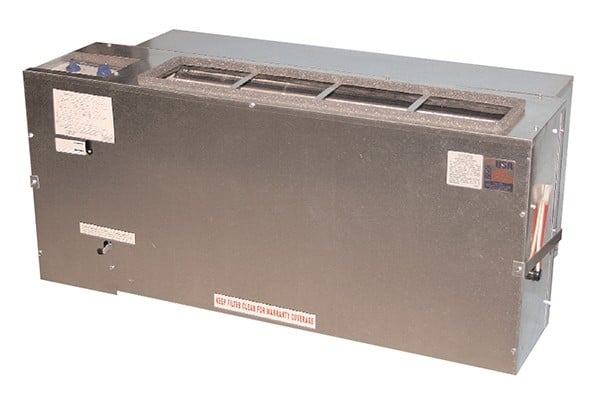
The RSAN Series is a packaged terminal air conditioner made by Ice Air — engineered specifically as a high-efficiency replacement for legacy PTAC systems from McQuay, Singer, and Islandaire. If your Queens building was constructed between the 1950s and 1990s and still has the original through-wall units, there’s a real chance the RSAN is either already in place or the most logical upgrade path.
What separates it from older units isn’t just age. The RSAN runs on R-32 refrigerant, which carries a significantly lower environmental impact than the R-410A found in older systems. It’s AHRI 310/380 and CSA 744 certified, meaning its efficiency ratings have been independently verified — not just claimed by the manufacturer. And it incorporates advanced LEED compliance features that matter more every year as New York City tightens its energy codes.
How Efficient Is the RSAN Series — and What Does That Mean for Your Energy Bills?
The RSAN Series reaches EERs of up to 11.9, which puts it well above the baseline for most standard PTAC units. In practical terms, that efficiency ceiling means a properly maintained RSAN unit costs less to operate than the older systems it replaces — and considerably less than a neglected one of its own kind.
Proper PTAC maintenance can reduce energy bills by up to 26%. That’s not a vague estimate — it’s a figure grounded in what happens when coils are fouled, filters are clogged, and components are running harder than they should. In a Queens apartment building with twenty or thirty PTAC units, that inefficiency compounds fast. The difference between a well-maintained system and a neglected one shows up on the utility bill every single month.
Queens presents some specific challenges that accelerate wear. Urban particulate — vehicle exhaust, construction dust, the general density of city air — clogs PTAC filters faster here than in suburban markets. Buildings near the water in Rockaway or Howard Beach deal with salt air that corrodes condenser coils over time. And the sheer volume of use that comes with New York City’s climate extremes — hot, humid summers and genuinely cold winters — means these units are working year-round, not just seasonally.
The RSAN’s engineering handles those demands well when the system is in good shape. When it isn’t, even a well-designed unit will underperform. That’s why maintenance isn’t optional — it’s the difference between getting the full value of the system and slowly losing it.
Does the RSAN Series Help Queens Building Owners Meet NYC's Energy Compliance Requirements?
This is a question we’re hearing more often, and the short answer is yes — but only if the unit is properly installed and maintained.
New York City’s Local Law 97 imposes carbon emissions caps on buildings over 25,000 square feet, with financial penalties that escalate through 2030. The 2025 New York City Energy Conservation Code, which applies to permit applications filed on or after March 30, 2026, raises the bar further — setting more stringent efficiency requirements for HVAC systems across the city. These aren’t distant deadlines. For building owners managing larger residential or commercial properties in Queens, the compliance math is already running.
The RSAN Series is designed with these pressures in mind. Its R-32 refrigerant, AHRI-certified efficiency ratings, and built-in LEED compliance features make it one of the more forward-compatible PTAC options available. But a high-efficiency unit that’s been poorly installed or inconsistently maintained doesn’t deliver its rated performance — and won’t help you hit the numbers that matter for compliance purposes.
This is where the contractor you choose becomes a real financial decision, not just a convenience one. A technician who doesn’t understand the RSAN’s sealed refrigerant system or its specific component design isn’t just inconvenient — they can leave you with a unit that runs below its rated efficiency, which means higher operating costs and potential exposure to penalties you thought you’d avoided. Queens building managers who are navigating LL97 compliance need service providers who understand both the system and the regulatory environment it operates in.
RSAN Series PTAC Repair in Queens: What to Actually Expect
Most PTAC failures aren’t catastrophic. A unit that stops cooling might have a failed capacitor, a faulty actuator, or a control board issue — all component-level repairs that cost a fraction of full replacement. The problem is that too many building owners get pushed toward replacement before anyone has taken the time to properly diagnose what’s actually wrong.
The repair-versus-replace question has a reasonable framework: if the cost of repairs over two years approaches 50% of what a new unit would cost, replacement starts making more financial sense. More than one service call per year, or repeated spending on what should be minor fixes, is a signal worth paying attention to. But that calculation only works if the diagnosis is honest in the first place.
Why Most PTAC Problems Don't Require Full Unit Replacement
The RSAN Series, like most well-engineered PTAC systems, is built with serviceable components. The PSC motors, copper tube and aluminum fin coils, and slide-out motor board design all allow for targeted repairs rather than full unit swaps. A technician who knows the system can often identify the actual failure point quickly — and fix it in a single visit, with the right parts on hand.
That last detail matters more than it sounds. One of the most common frustrations building managers in Queens describe is the technician who arrives, identifies the problem, and then has to come back the next day because he didn’t bring the right part. That’s a day of tenant complaints, a second service window blocked off, and a repair that could have been done in one trip. It’s a real operational cost.
A PTAC specialist who works on these systems regularly carries the components that fail most often. They’re not guessing at what they’ll find when they open the unit. And because they’ve seen the same failure patterns across dozens or hundreds of similar units, they can also flag what’s likely to fail next — giving you the option to address it proactively rather than reactively.
For Queens buildings with multiple PTAC units, this kind of foresight is genuinely valuable. Staggering repairs, planning maintenance around seasonal demand, and avoiding the emergency-rate service call that always seems to happen on the hottest day of the year — that’s what working with a specialist actually looks like in practice.
How Often Should RSAN Series Units Be Serviced in NYC?
The general industry standard for PTAC lifespan is 10 to 15 years with proper maintenance. In Queens, that timeline is realistic — but it requires actually keeping up with service, not just calling someone when something breaks.
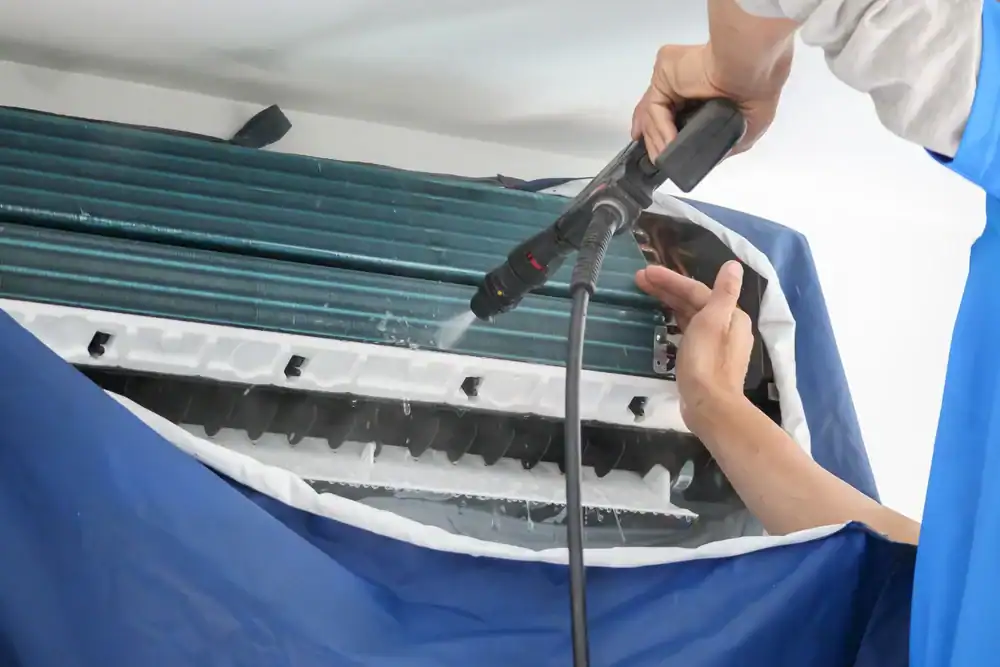
For most residential buildings, a pre-season maintenance visit before summer is the baseline. That means April or May, before the heat arrives and before every other building manager in the borough is also trying to book a technician. Filters cleaned, coils inspected, drainage checked, refrigerant levels confirmed. It’s not complicated work, but it makes a measurable difference in how the unit performs through the summer and how long it lasts overall.
A second maintenance window in the fall — September or October — prepares the heating side of the system for winter. PTAC units in New York City aren’t seasonal appliances. They heat in January and cool in July, which means both functions need to be in working order. A unit that made it through the summer doesn’t automatically have its heating mode ready to go when the temperature drops.
For commercial properties — hotels near JFK and LaGuardia, senior housing facilities, larger residential buildings — the calculus shifts. Units running 24 hours a day accumulate wear faster than residential ones, and the consequences of a failure are more immediate. A maintenance contract that schedules regular service visits, rather than waiting for something to go wrong, is the approach that makes sense at that scale.
The honest answer to “how often” is: more often than most people schedule it, and before the problem becomes obvious. By the time a tenant notices the unit isn’t cooling properly, the underlying issue has usually been developing for a while. Catching it earlier is almost always cheaper than addressing it after the fact.
Finding the Right PTAC Specialist for RSAN Series Service in Queens
The RSAN Series is a capable system. It handles New York City’s climate demands well, it’s built for efficiency, and it’s designed to last — but only when it’s properly cared for by someone who actually knows it.
General HVAC contractors who dabble in PTAC work aren’t the same as specialists who service these systems every day. The difference shows up in whether they arrive prepared, whether the diagnosis is accurate, whether the repair holds, and whether the advice they give you is honest rather than convenient.
We’ve been servicing PTAC units in Queens for over 50 years — longer than most of our competitors have been in business. All of our work is backed by a one-year guarantee, and we’re on call year-round. If you have RSAN Series units in your building and want a straight answer about what they need, reach out to Lion-Air Enterprises.