Summary:
You’re not just looking for any contractor. You’re looking for someone who’s actually licensed, properly insured, and knows Nassau County’s building codes inside and out. Someone who won’t disappear halfway through your project or hit you with surprise charges.
The truth is, finding licensed contractors near you in Nassau County requires more than a quick Google search. It requires understanding what licensing actually means, how to verify credentials, and what separates reliable professionals from the ones who create headaches. Here’s what you need to know before you hire anyone to work on your property.
What Licensed Contractors Near Me Actually Means in Nassau County
When you search for licensed contractors near you, you’re not just looking for proximity. You’re looking for professionals who meet Nassau County’s specific requirements set by the Department of Consumer Affairs.
Every home improvement contractor working in Nassau County must hold a current license. That license isn’t just paperwork. It requires fingerprinting, insurance verification, and adherence to local building codes across communities like Hempstead, Garden City, Long Beach, and Hicksville. Contractors must also maintain EPA-accredited certifications for lead-safe work practices.
This isn’t optional. It’s the law. And it exists to protect you from liability, poor workmanship, and contractors who cut corners.
How to Verify a Contractor's License in Nassau County
Nassau County makes it possible to verify contractor licenses through the Department of Consumer Affairs online system. You can search by name, business name, or DBA to confirm licensing status and check for complaint filings.
Here’s what you should verify before hiring anyone. First, confirm they hold a current Nassau County home improvement license. This applies to anyone doing work beyond basic repairs. Second, check that they’re licensed in all participating communities where your property is located—some incorporated villages have additional requirements.
Third, ask for proof of general liability insurance and workers’ compensation. Without these, you could be held liable if someone gets hurt on your property. Nassau County contractors are required to carry both, but you need to ask for documentation. Don’t just take their word for it.
Fourth, check their complaint history. Nassau County tracks complaints, and three complaints within six months triggers an automatic suspension. If a contractor has recent complaints, that’s a red flag worth paying attention to.
Finally, ask about their EPA certification for lead-safe work practices. Any contractor working on homes built before 1978 must have this certification. Many Nassau County homes date back to the 1950s through 1970s, making this certification essential for most renovation projects. It’s not negotiable, and it protects your family from lead exposure during renovation work.
What Nassau County Licensing Requirements Mean for Your Project
Nassau County’s licensing requirements aren’t just bureaucratic hurdles. They’re designed to ensure contractors meet minimum standards for safety, financial responsibility, and professional conduct.
Licensed contractors must pre-pay for job-related materials according to bid specifications. This prevents the common problem of contractors taking your deposit and disappearing. They’re also required to provide a two-year warranty on labor and materials for county rehabilitation program work, setting a standard for quality assurance.
The permit process is another area where licensed contractors prove their value. Nassau County requires building permits for most renovation work, including kitchen and bathroom remodels, home additions, structural changes, and major electrical or plumbing work. Permit requirements vary by town—Hempstead, Oyster Bay, and North Hempstead each have specific regulations.
A licensed contractor knows how to navigate these requirements. They understand local building codes, know which permits are needed, and handle the application process. This saves you time, prevents code violations, and ensures inspections are scheduled correctly.
Many homeowners underestimate this aspect. They hire an unlicensed contractor to save money, only to discover the work doesn’t pass inspection. Then they’re stuck paying twice—once for the original work, and again to bring it up to code. Licensed contractors prevent this scenario.
The fingerprinting requirement also matters more than you might think. It’s part of a background check system that helps keep problematic contractors out of the industry. While it’s not foolproof, it adds another layer of accountability that unlicensed contractors don’t face.
Home Improvement Contractors: What to Look for Beyond Licensing
Licensing is your baseline. It’s the minimum requirement, not the complete picture. Once you’ve verified licensing and insurance, you need to evaluate whether a contractor is actually right for your specific project.
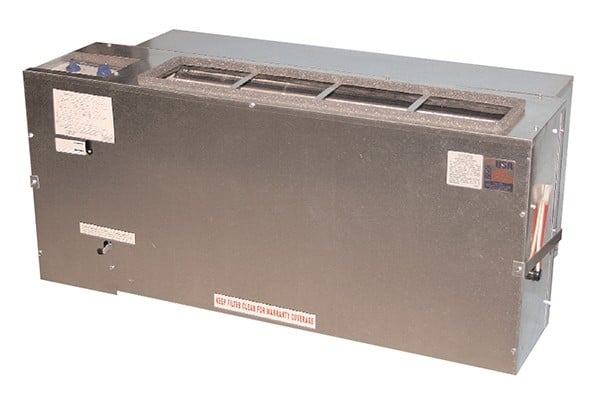
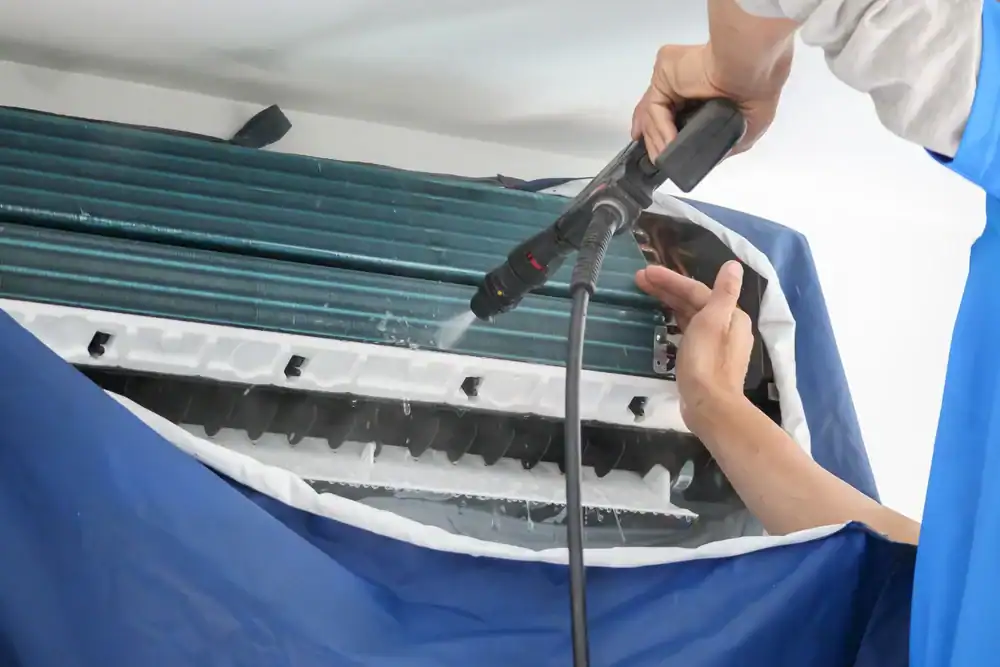
Start by asking for references from recent jobs similar to yours. A contractor who specializes in kitchen remodels might not be the best choice for PTAC unit installation or HVAC system repairs. Specialization matters, especially for technical systems that require specific expertise.
Look for contractors who communicate clearly about timelines, budgets, and potential complications. The best contractors explain what could go wrong before it does, not after. They walk you through the process, answer questions without making you feel like you’re bothering them, and keep you updated throughout the project.
Questions to Ask Before Hiring Home Improvement Contractors
The questions you ask before signing a contract can save you from problems later. Here’s what to cover during initial conversations with contractors.
Ask how they handle permits and inspections. A good contractor should explain which permits are needed for your project and who’s responsible for obtaining them. They should also clarify who schedules inspections and what happens if work doesn’t pass.
Ask about their payment schedule. Be wary of contractors who want large deposits upfront. Nassau County regulations require contractors to place deposits in escrow accounts and notify you within five days where funds are held. A reasonable payment schedule typically involves a small deposit, progress payments tied to completed milestones, and final payment upon completion.
Ask about their timeline and what could cause delays. Weather, permit processing, and material availability can all affect schedules. Contractors who give you a realistic timeline with built-in buffer time are more trustworthy than those who promise unrealistic completion dates.
Ask how they handle changes and unexpected issues. Renovation projects often uncover problems—old wiring, water damage, structural issues. You need to know how change orders work, how pricing adjustments are calculated, and what approval process they follow before proceeding with additional work.
Ask about their warranty or guarantee. What happens if something goes wrong after the project is complete? How long are they willing to stand behind their work? A one-year guarantee on all work is standard among reputable contractors and shows confidence in their craftsmanship.
Don’t skip the reference check. Actually call previous clients and ask about their experience. Were there surprises? Did the contractor stay on budget? How did they handle problems? Would the client hire them again? These conversations reveal patterns that online reviews might miss.
Red Flags When Searching for Nassau County Contractors
Some warning signs should make you walk away immediately, no matter how good the price seems.
Be wary of contractors who show up unsolicited offering to do repairs. This is a classic tactic used by scam artists, especially after storms or weather events when demand for repairs is high. Legitimate contractors don’t need to go door-to-door looking for work.
Avoid contractors who pressure you to sign immediately or offer deals that expire today. Reputable contractors understand that home improvement decisions require time and consideration. High-pressure sales tactics are a red flag.
Never hire a contractor who can’t or won’t provide proof of licensing and insurance. If they make excuses, claim the paperwork is “in process,” or say they’ll provide it later, that’s your signal to move on. Licensed contractors have this documentation readily available.
Be cautious of contractors who want large cash deposits or ask you to pay for materials upfront. While some deposit is normal, excessive upfront payments create risk. And cash payments leave no paper trail, which makes it harder to resolve disputes or prove payments were made.
Watch for contractors who don’t want to put agreements in writing or who present contracts with blank spaces. Never sign incomplete documents. Everything should be spelled out clearly—scope of work, materials, timeline, payment schedule, and warranty terms.
Finally, trust your instincts about communication. If a contractor is hard to reach during the sales process, they’ll be even harder to reach once work begins. Responsive communication during initial conversations usually continues throughout the project. Poor communication early on rarely improves.
Finding the Right Licensed Contractor for Your Nassau County Project
Finding licensed contractors near you in Nassau County comes down to doing your homework. Verify licensing through the Department of Consumer Affairs. Confirm insurance coverage. Check references. Ask the right questions. And pay attention to red flags.
The contractors who take time to explain the process, provide clear documentation, and communicate openly are usually the ones who deliver quality work. The ones who rush you, avoid questions, or make excuses about paperwork are the ones who create problems.
Your home is likely your largest investment. The contractor you choose will have a direct impact on that investment’s value and your daily comfort. Taking time to find the right professional isn’t being picky—it’s being smart.
For specialized work like PTAC unit installation, repair, and maintenance in the Nassau County and Hicksville area, we bring expertise that general contractors often lack. As the parent company of three PTAC market leaders serving NYC and the tri-state area, we understand the technical requirements and local regulations that make these projects successful.