
Summary:
You’re researching HVAC repair costs because something’s wrong with your system and you need to know what you’re walking into. Smart move. Because in Nassau County, the gap between a fair price and an overcharge can be a thousand dollars or more on the same repair.
The problem isn’t just figuring out what repairs cost. It’s knowing whether the quote you’re holding is honest. Some companies count on you not knowing the difference between a $400 repair and the $1,200 they’re charging for the same work. This guide gives you the actual numbers for Nassau County, the factors that legitimately affect pricing, and the red flags that signal you’re about to overpay. By the end, you’ll know what questions to ask and what answers should make you walk away.
What HVAC Repairs Actually Cost in Nassau County
Let’s start with real numbers. In Nassau County and across Long Island, most common HVAC repairs fall between $150 and $500. That includes your diagnostic fee, labor, and the parts needed to fix the issue. Diagnostic service calls typically run $89 to $150, and reputable companies apply that fee toward your repair cost if you move forward.
Major repairs push higher. Compressor replacements, heat exchanger issues, or full blower motor swaps can run $500 to $1,500, sometimes more depending on your system type and the parts involved. Emergency service adds another $100 to $250 on top of standard rates because you’re paying for after-hours availability and faster response.
Labor rates in Nassau County sit between $75 and $150 per hour. That’s higher than national averages, but it reflects New York’s cost of living, union labor standards, and the technical skill required for proper HVAC work. The complexity of the repair drives how many hours you’re billed. A capacitor swap might take thirty minutes. A full diagnostic on a failing system with multiple issues could take two or three hours before the actual repair even starts.
Furnace Repair Cost on Long Island
Furnace issues are common on Long Island, especially as systems age past the 10-year mark. The average furnace repair cost here runs $200 to $350 for typical problems like igniter failures, thermostat malfunctions, or blower motor issues. More involved repairs, like heat exchanger replacement or control board failures, push into the $500 to $1,000 range.
Parts make up a significant portion of furnace repair costs. A new igniter might cost $50 to $150 in parts. A circuit board can run $200 to $600. An inducer motor falls somewhere between $300 and $800 depending on the furnace model. Labor adds another layer, and technicians charge based on how long the repair takes and how difficult it is to access the failing component.
Emergency furnace repairs cost more, period. When your heat goes out at 2 AM on a January night and indoor temperatures are dropping fast, you’re paying for immediate response. That typically means an extra $100 to $250 surcharge on top of the standard repair cost. Some companies double or triple their hourly rate for after-hours calls.
Age matters with furnaces. If your system is 15+ years old and you’re facing a $600 repair, you need to weigh that against replacement. A new furnace runs $3,000 to $6,000 installed, and if your current system is near the end of its lifespan anyway, repeated repairs add up fast. A trustworthy technician will walk you through that math instead of just fixing whatever’s broken today.
Long Island’s coastal environment accelerates wear on furnace components. Salt air corrodes heat exchangers faster than inland systems experience. Oil furnaces, which are still common across Nassau and Suffolk County, require technicians certified in oil burner service, a specialty many companies no longer offer. That can affect both availability and cost when you need repairs.
AC Compressor Replacement Cost in New York
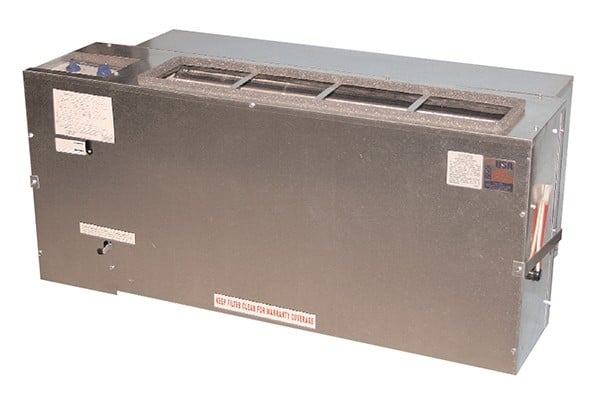
AC compressor replacement is one of the most expensive HVAC repairs you’ll face. In New York, expect to pay between $1,200 and $2,500 for a full compressor replacement, including parts and labor. The wide range comes down to system size, compressor brand, warranty status, and whether you’re dealing with a standard residential unit or a PTAC system.
If your compressor is still under warranty, you’ll pay significantly less because the manufacturer covers the part. You’re only paying for labor, which typically runs $600 to $1,200 depending on the complexity of the installation. If the warranty has expired, you’re covering both the compressor itself (which can run $800 to $1,500) and the labor to install it.
Labor for compressor replacement isn’t simple. The technician has to safely evacuate all refrigerant from your system, disconnect the old compressor, braze the new one into the refrigerant lines, install a new filter drier, pressurize the system to check for leaks, pull a deep vacuum, and recharge the system with the correct amount of refrigerant. This process takes four to six hours for most systems, sometimes longer if the compressor is in a difficult location or if complications arise.
Refrigerant type affects cost. Older systems using R-22 refrigerant face higher costs because R-22 has been phased out and is expensive to source. If you’re dealing with an R-22 system and need a compressor replacement, that’s often a signal to consider replacing the entire unit rather than sinking money into a system that will continue to require expensive refrigerant.
Here’s what most companies won’t tell you upfront: if your AC is over 10 years old and needs a compressor replacement, the math often favors replacement over repair. A new AC system costs $4,000 to $8,000 installed in most Nassau County homes, and you’re getting a new warranty, better efficiency, and modern refrigerant. Compare that to spending $2,000 on a compressor for a 12-year-old system that might need another major repair in two years.
What Actually Drives HVAC Repair Costs
Understanding what legitimately affects repair pricing helps you spot when a quote doesn’t add up. Several factors influence what you’ll pay, and not all of them are obvious when you’re just looking at a number on an estimate.
Parts costs vary based on brand, availability, and whether your system uses common or specialized components. A capacitor for a standard residential AC might cost $15 to $50. The same part for a commercial PTAC unit could run $75 to $150 because it’s less common and requires different specifications. Compressors, control boards, and motors all follow this pattern, where the specific part your system needs drives the price.
Labor complexity matters more than most people realize. Replacing a thermostat takes thirty minutes. Diagnosing an intermittent electrical fault that only happens under certain conditions might take three hours of testing and troubleshooting before the technician even identifies the problem. You’re paying for expertise and time, and complex issues require both.
Emergency HVAC Repair Cost vs. Standard Service
Emergency HVAC service costs significantly more than scheduled repairs, and that’s not necessarily a scam. When you call at midnight on a Sunday because your AC died during a heatwave, you’re asking a technician to drop everything, potentially leave their family, and respond immediately to your home. That premium pricing reflects the inconvenience and the commitment to 24/7 availability.
The typical markup for emergency service runs 50% to 100% higher than standard rates. If a company normally charges $100 per hour for labor, emergency calls might run $150 to $200 per hour. Some companies charge a flat emergency service fee of $100 to $250 on top of their regular rates. A repair that would cost $300 during business hours might run $450 to $600 as an emergency call.
Emergency service also means you’re paying for parts at emergency pricing. If the technician needs a specific component and has to source it from a 24-hour distributor or pull it from emergency stock, that part costs more than ordering it during regular business hours. Distributors charge premiums for after-hours access, and those costs get passed to you.
Here’s the key question: is it actually an emergency? If your AC goes out in July when it’s 95 degrees outside and you have elderly family members or young children in the house, that’s legitimate. If your furnace fails in February when temperatures are below freezing, you need immediate help. But if your AC stops working on a mild spring evening and you can wait until morning, you’ll save hundreds by scheduling a standard service call instead of paying emergency rates.
Some companies use “emergency” pricing as standard practice, claiming everything is urgent to justify higher rates. Red flag: if a company only offers emergency pricing or pressures you to approve work immediately without giving you time to think or get a second opinion, you’re likely dealing with a high-pressure sales tactic rather than a genuine emergency.
The honest approach: a reputable company will tell you upfront what their emergency rates are, explain why they’re higher, and help you determine whether your situation actually requires emergency service or if it can wait for a standard appointment. They’ll also give you the option to choose, not pressure you into the more expensive service when it’s not necessary.
How to Spot Fair Pricing vs. Overcharges
The difference between fair pricing and an overcharge often comes down to transparency. Fair pricing means you get a detailed, written estimate before any work starts, with clear breakdowns of parts costs, labor hours, and any additional fees. Overcharging happens when estimates are vague, when prices suddenly increase after work begins, or when you’re pressured to approve work without understanding what you’re paying for.
Start by asking for an itemized estimate. A legitimate company will list the specific part that needs replacement, the cost of that part, the labor hours required, the hourly rate, and any diagnostic or service call fees. If a company gives you a single total number without breaking down where that money goes, that’s a red flag. You have no way to verify whether the parts cost is reasonable or whether the labor hours make sense for the work being done.
Compare parts pricing to retail costs. You can look up most HVAC parts online and see what they cost at retail. Contractors get parts at wholesale, usually 20% to 40% below retail. They then mark up those parts to cover overhead, warranty, and profit. A reasonable markup is 50% to 100% over wholesale, which usually keeps the final price near or slightly above retail. If you’re being charged double or triple the retail price you find online, ask the company to explain why.
Labor rates should align with local market standards. In Nassau County, $75 to $150 per hour is the normal range for HVAC labor. If you’re being quoted $200+ per hour for standard work during business hours, that’s high. Emergency service can justify higher rates, but even then, you should see clear communication about why emergency pricing applies.
Watch for these specific red flags that signal overcharging: Pressure to approve work immediately without time to think or get other quotes. Vague explanations of what’s wrong, using technical jargon without explaining it in plain terms. Refusal to show you the broken part or explain why it failed. Claims that multiple expensive components all need replacement at once. Cash-only payment demands or requests for full payment before work starts.
Trust your instincts. If something feels off about the pricing or the way the technician is communicating, get a second opinion. Reputable companies won’t pressure you or make you feel uncomfortable for asking questions. They’ll welcome your questions because they know their pricing is fair and they have nothing to hide.
The honest companies will also tell you when a repair doesn’t make financial sense. If you’re facing a $1,500 repair on a 15-year-old system, a trustworthy technician will walk you through the math of repair versus replacement. They’ll explain that you might be better off putting that money toward a new system rather than fixing an old one that’s likely to need more repairs soon. Companies that push expensive repairs on old systems without discussing replacement options are prioritizing their profit over your best interest.
Making Smart Decisions About HVAC Repair Costs
You now know what HVAC repairs actually cost in Nassau County, what drives those costs, and how to identify when pricing crosses from fair into overcharge territory. That knowledge protects you from the companies that count on customers not knowing the difference.
The key takeaways: get detailed written estimates before approving work, compare parts pricing to retail costs, verify that labor rates align with the $75 to $150 per hour standard for Nassau County, and don’t let anyone pressure you into immediate decisions on expensive repairs. Emergency service legitimately costs more, but make sure your situation actually qualifies as an emergency before paying premium rates.
When you need HVAC repair, especially for PTAC systems common in NYC and Long Island properties, working with specialists who know these systems makes a difference. We’ve spent over 50 years focused specifically on PTAC repair and service, with transparent pricing, one-year guarantees on all work, and the technical expertise that comes from being the parent company of three PTAC industry leaders. That specialization means honest assessments, fair pricing, and repairs that actually last.