Summary:
When hurricane warnings light up your phone and you’re rushing to secure outdoor furniture and stock up on supplies, your HVAC system probably isn’t the first thing on your mind. But here’s the reality: storm damage to heating and cooling equipment costs Long Island homeowners anywhere from three to six thousand dollars on average, and that’s before you factor in the weeks you might spend without climate control while waiting for repairs during peak season. Whether you have a central air system or PTAC units in your building, the good news is that protecting your equipment doesn’t require an engineering degree or a full day of work. A few strategic steps before the storm, some basic safety protocols during the event, and a thorough post-storm check can save you serious money and keep your home comfortable when your neighbors are sweating it out or shivering in the cold.
Pre-Hurricane HVAC Protection for Long Island Homes
The time to protect your HVAC system is before the first raindrops fall, not when winds are already rattling your windows. Long Island sits in a particularly vulnerable position during hurricane season, which runs from June through November but peaks between August and October when Atlantic storms build strength over warm ocean waters.
Your HVAC system faces three major threats during a hurricane: flying debris that can puncture coils or damage fans, flood water that ruins electrical components, and power surges when electricity returns that can fry your compressor in seconds. Each of these can turn into a multi-thousand-dollar problem, but each is also preventable with some advance planning.
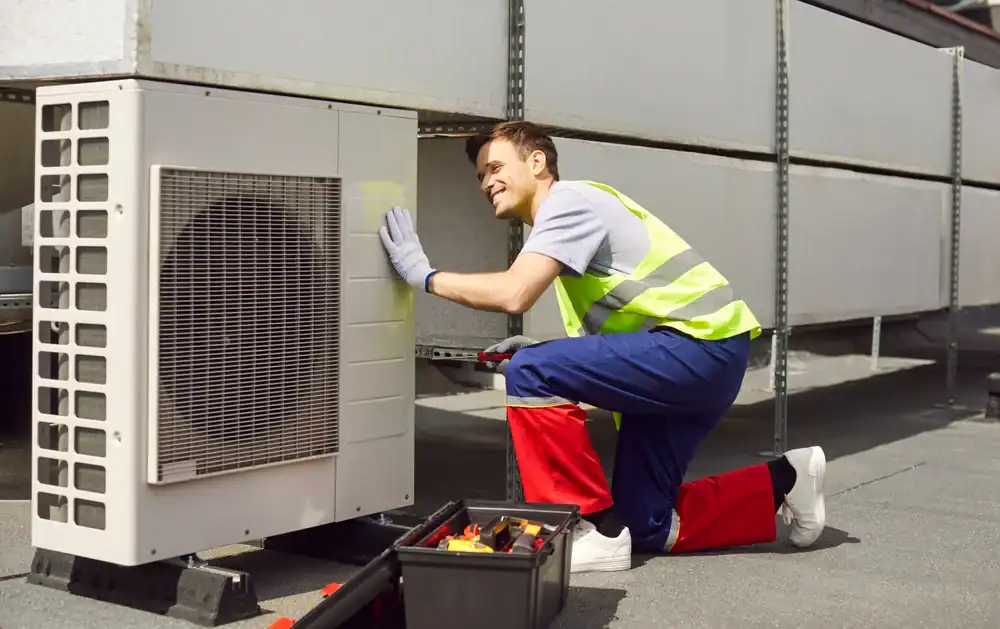
Start by walking around your outdoor unit and clearing everything within a six-foot radius. Branches, lawn furniture, tools, garden equipment—anything the wind can pick up becomes a potential missile aimed at your condenser. Even small debris like leaves and twigs should be removed because they can clog your system and restrict airflow when you need it most.
Coastal HVAC Protection Against Salt Air and Storm Surge
If your property sits within a few miles of the ocean or along the coast, you’re dealing with an extra layer of complexity that inland homeowners don’t face. Salt-laden air doesn’t just show up during hurricanes—it’s a constant presence that quietly eats away at the aluminum fins and copper coils in your outdoor unit. But when a hurricane rolls through, that salt exposure intensifies dramatically.
Salt particles settle on your equipment like an invisible film. When humidity hits, which it always does during coastal storms, that film attracts moisture and creates the perfect environment for corrosion. Over time, this leads to refrigerant leaks, reduced airflow, and a ripple effect of damage throughout your system. Properties right on the water can see significant deterioration within just three years if they’re not taking protective measures.
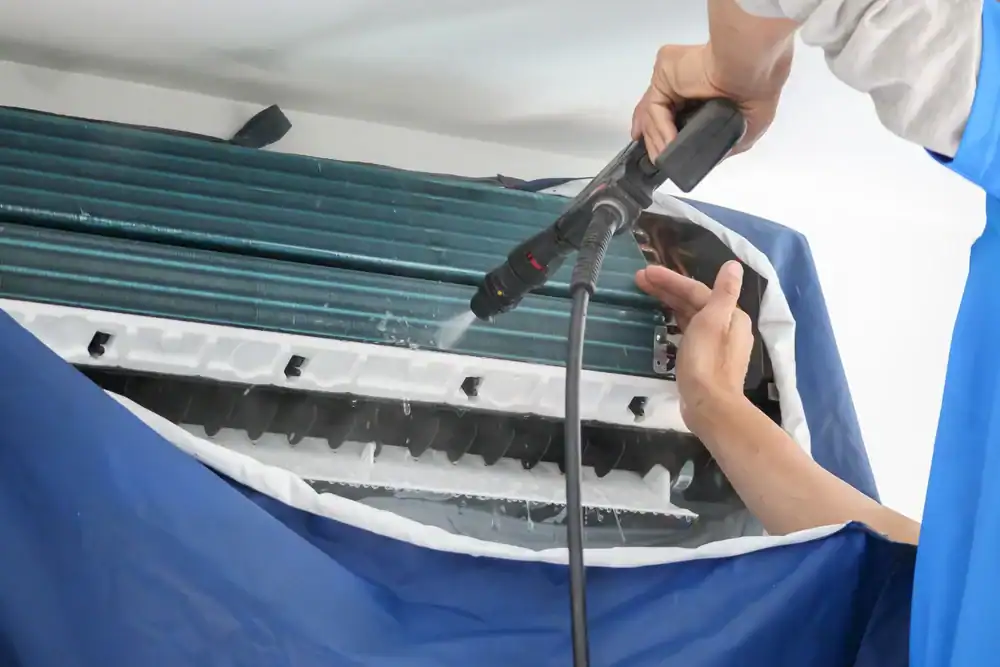
Before hurricane season ramps up, rinse your outdoor unit with fresh water from a garden hose. This simple step removes surface salt before it has a chance to cause damage. During active hurricane season, especially after particularly windy days or when storms pass nearby, do an extra rinse. The salt doesn’t wait for a direct hit to start its corrosive work.
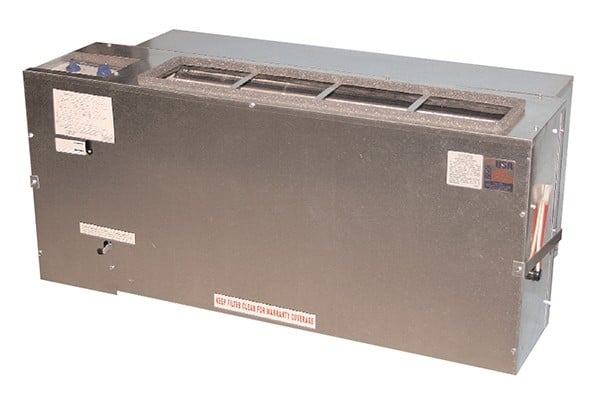
If you have a PTAC unit—those through-the-wall systems common in apartments, condos, and hotels across Long Island—pay special attention to the exterior louvers and vents. These units are designed for coastal applications, but they still need regular maintenance to handle the harsh marine environment. Check that your PTAC is properly tilted toward the outside of the building. Research has found that internally tilted units can cause interior water damage from wind-driven rain, adding another expensive problem to your list.
For properties in flood-prone areas, elevation is your friend. If your unit sits at ground level and your neighborhood has a history of storm surge or street flooding, talk to a professional about raising the unit on a platform. This isn’t a DIY project—refrigerant lines and electrical connections need to be properly adjusted—but it can be the difference between a unit that survives and one that’s completely destroyed by standing water.
Consider applying anti-corrosion coatings to metal components if you haven’t already. These protective layers create a barrier against salt and moisture, significantly extending your equipment’s lifespan in coastal conditions. Some PTAC manufacturers offer hurricane-rated louvers specifically designed to withstand wind loads up to 50 PSF while still allowing proper ventilation. If you’re replacing components or installing new equipment, these coastal-rated options are worth the investment.
Securing Your System: Hurricane Straps and Physical Protection
An unsecured outdoor unit is a disaster waiting to happen. Hurricane-force winds can tear a condenser right off its concrete pad, and once that happens, you’re looking at a complete replacement plus potential damage to your home’s exterior where the unit was mounted. The solution is straightforward: hurricane straps.
These aren’t the flimsy tie-downs you might use for a tarp. Proper hurricane straps are code-approved anchoring systems rated to withstand winds up to 150 miles per hour. They bolt your unit securely to its platform or concrete pad, giving it a fighting chance when the storm hits its peak. Professional HVAC technicians can install these straps and ensure all the bolts on your unit are properly tightened. Even if your unit seems stable, years of vibration during normal operation can loosen fasteners.
Once your unit is secured, you need to decide about covering it. This is where a lot of homeowners make mistakes. You absolutely should cover your outdoor unit during a hurricane—but only during the hurricane, and only with the right material. Use a breathable tarp or a proper AC cover designed for storm protection. Never use plastic sheeting. Plastic traps moisture against your equipment, which promotes rust and can actually cause more damage than it prevents.
Secure the tarp with bungee cords, not rope that can loosen in high winds. The goal is to shield your unit from flying debris and the worst of the wind-driven rain while still allowing some air circulation. And here’s the critical part: remove that cover as soon as the storm passes. Leaving it on during normal weather creates a greenhouse effect that accelerates corrosion and provides a cozy home for mold and mildew.
Before you cover anything, though, you need to shut the system down properly. This is non-negotiable. Go to your thermostat and turn the system completely off. Then head to your electrical panel and flip the breaker for your HVAC system to the off position. If you have a PTAC unit, unplug it if possible. This two-step shutdown protects your equipment from the power surges that happen when electricity is restored after an outage.
Power surges are sneaky. The outage itself won’t damage your system—it just stops working when the power cuts. But when that power comes rushing back, often with voltage spikes and fluctuations, it can send a jolt through your compressor, circuit boards, and other sensitive electronics. That single surge can cause more than four thousand dollars in damage, and it happens in the blink of an eye. Turning off your system at both the thermostat and the breaker prevents this entirely.
If you want even more protection, install a surge protector specifically designed for HVAC systems. Whole-house surge protectors installed at your main electrical panel offer the broadest protection for all your home’s circuits and appliances. These devices absorb the excess voltage from surges, whether they come from lightning strikes or grid fluctuations when power is restored. For HVAC equipment, which represents one of your home’s largest investments, this protection pays for itself the first time it stops a surge from destroying your compressor.
Storm Damage HVAC: What to Check After Severe Weather
The winds have died down, the rain has stopped, and you’re eager to get back to normal life. But before you flip that breaker and fire up your HVAC system, you need to do a careful inspection. Rushing this step is how minor issues turn into major failures.
Start outside. Walk around your unit and look for obvious damage. Are there dents in the housing? Bent fins on the condenser coil? Debris lodged in the fan? Check for standing water around the base—if your unit was submerged, even partially, you need professional help before attempting to restart it. Water infiltration into electrical components creates serious safety hazards and can cause shorts that damage the entire system.
Look at the refrigerant lines running between your outdoor and indoor units. Storm debris can puncture these lines, and if you’ve lost refrigerant, your system won’t cool or heat properly. You might see oil stains near connection points, which indicate a leak. Don’t try to run the system if you suspect refrigerant loss—you’ll just cause more damage to the compressor.
Power Outage HVAC Safety and Restart Procedures
Long Island is no stranger to extended power outages during and after hurricanes. Coastal areas in particular can go days without electricity while utility crews work to repair downed lines and damaged infrastructure. When that power finally comes back, you need to restart your HVAC system carefully to avoid damaging it.
First, don’t rush. Even if your home is uncomfortably warm or cold, wait at least five to fifteen minutes after power is restored before touching your HVAC system. This waiting period allows the electrical grid to stabilize. Those first few minutes after a major outage often involve voltage fluctuations as the system comes back online, and you don’t want your expensive equipment to be the guinea pig testing whether the power is steady.
After you’ve waited, go to your thermostat first. Make sure it’s set to the off position or that it hasn’t been scrambled by the outage. Some digital thermostats lose their programming during power loss and need to be reset. Check your owner’s manual for specific instructions, but generally, you’ll need to re-enter your desired temperature settings and any scheduling preferences.
Next, head to your circuit breaker panel. Flip the HVAC breaker back to the on position. Listen for any unusual sounds from your outdoor unit. A healthy system should start up with familiar noises—the hum of the compressor, the whoosh of the fan. If you hear grinding, screeching, or repeated clicking, shut it down immediately and call for professional help.
Go back to your thermostat and set it to your desired mode—cooling or heating—and temperature. Monitor the system for the first hour of operation. Air should be flowing from your vents at the appropriate temperature. If you’re running AC and the air isn’t getting cold, or if you’re running heat and it’s staying lukewarm, something’s wrong. Don’t keep cycling the system on and off trying to fix it. Each restart puts stress on the compressor, and you could be making the problem worse.
For HVAC systems with heat pumps, allow extra time between restarts. Manufacturers typically recommend waiting one to one and a half hours between restart attempts to let the compressor warm up and prevent damage. This is especially important in Long Island’s climate where heat pumps are increasingly common for both heating and cooling.
If your system doesn’t turn on at all after following these steps, resist the urge to keep flipping breakers and pushing buttons. There may be a safety lockout engaged, or there could be damage that needs professional diagnosis. Modern HVAC systems have built-in safety protocols that prevent operation when they detect problems, and overriding these safeguards can turn a repairable issue into a total system failure.
Post-Storm HVAC Inspection Checklist for Homeowners
Even if your system appears to start up normally after a storm, you should still conduct a thorough inspection or have a professional do it for you. Hurricane damage isn’t always immediately obvious, and problems that seem minor today can snowball into expensive failures down the road.
Remove any debris from around and on top of your outdoor unit. Leaves, branches, shingles from your roof or a neighbor’s roof—all of this needs to be cleared away before you run the system for any length of time. Debris restricts airflow and forces your equipment to work harder, which reduces efficiency and shortens its lifespan.
Examine the condenser fins closely. These thin metal fins are designed to dissipate heat, and they’re easily bent by impact from flying objects. If you see sections of bent fins, you can carefully straighten them with a fin comb tool, or you can have a technician handle it during a service call. Severely damaged fins might need the entire coil section replaced.
Check your air filters inside the house. If you lost power for an extended period, humidity levels in your home probably spiked. That moisture can cause filters to become damp and promote mold growth. Even if the filter looks okay, consider replacing it after a major storm. It’s a small cost compared to the problems that can arise from running moldy filters through your system.
Inspect your ductwork if you have access to it. Look for disconnected sections, new gaps or holes, and signs of water intrusion. Storm winds can shift entire houses slightly, and that movement sometimes pulls duct connections apart. Water stains on or around ducts indicate leaks that need to be addressed before they cause mold problems.
For PTAC units, check the wall sleeve and the seal around the unit. Wind-driven rain can find its way through even small gaps, and if water got behind your unit, you might have interior wall damage that needs attention. Make sure the unit is still properly seated in its sleeve and hasn’t shifted during the storm.
Test all the functions of your system. Run it in cooling mode, then heating mode if it’s a heat pump or has electric heat. Check that all fan speeds work. Make sure the thermostat is communicating properly with the equipment. Listen for any unusual noises that weren’t there before the storm—rattling, buzzing, or grinding sounds all indicate problems that need professional attention.
Document everything with photos and videos. If you end up filing an insurance claim, you’ll need evidence of the damage. Take pictures of the overall condition, close-ups of any specific damage, and shots of debris that was near or on your unit. Keep receipts for any emergency HVAC repairs or replacement parts.
Don’t assume your system is fine just because it’s running. Hidden damage to electrical components, refrigerant leaks, or compromised structural integrity might not show symptoms immediately but can lead to complete system failure weeks or months later. Many HVAC contractors offer post-storm inspection services specifically designed to catch these issues before they become catastrophic.
Protecting Your Long Island HVAC Investment Year-Round
Hurricane preparation for your HVAC system isn’t a one-time checklist you run through when a storm is bearing down on Long Island. It’s part of a year-round maintenance approach that protects your investment, extends your equipment’s lifespan, and keeps your family comfortable no matter what weather comes your way.
The steps we’ve covered—securing your unit with hurricane straps, protecting against salt air corrosion, installing surge protection, and knowing how to safely restart after power outages—these aren’t just storm prep. They’re smart homeownership practices that pay dividends every single day. A well-maintained system runs more efficiently, breaks down less frequently, and lasts years longer than one that’s neglected until something goes wrong.
Long Island’s coastal location means your HVAC equipment works in one of the most demanding environments in the region. Salt air, high humidity, temperature swings, and the ever-present threat of severe weather all take their toll. But with the right preparation and professional support, your system can handle whatever nature throws at it. If you need help preparing your system for hurricane season, want a post-storm inspection, or have questions about protecting PTAC units in coastal conditions, we bring specialized expertise to the tri-state area with a one-year guarantee on all work.