Summary:
You’re on a job site in Nassau County. The compressor’s shot, the customer’s sweating through a heat wave, and you need the right part within the hour. Not tomorrow. Not next week. Now.
That’s when you find out which HVAC supply stores actually back up contractors instead of just taking orders. The difference between a parts house and a real supplier shows up in moments like these – when inventory depth, technical knowledge, and emergency availability determine whether you save the job or lose the customer.
This guide breaks down what separates the best HVAC supply stores in Nassau County from the rest, so you know exactly where to turn when every minute counts.
HVAC Parts Near Me: What Nassau County Contractors Actually Need
When you search “HVAC parts near me” at 6 PM on a Friday, you’re not looking for a website. You’re looking for a solution. Nassau County contractors face unique challenges that generic supply houses don’t always understand.
The region’s mix of older residential buildings, commercial properties, and waterfront locations means you’re dealing with everything from aging boilers to salt-air-corroded PTAC units. Your HVAC supply store needs inventory depth that goes beyond the basics – the specialty components that keep Long Island’s diverse building stock running.
The right supplier becomes an extension of your truck. They stock what you actually use, not just what moves volume. They understand that “in stock” means on the shelf today, not available for order with a three-day lead time.
AC Parts Store Inventory That Actually Supports Field Work
Walk into any ac parts store and you’ll find filters, thermostats, and capacitors. That’s table stakes. The suppliers that actually support contractors stock the parts that save jobs when standard inventory falls short.
We’re talking about the actuators that fail on PTAC heating coils every winter. The specialized wall sleeves for through-wall units in older buildings. The replacement boards for systems that manufacturers discontinued five years ago but are still running in half the buildings across Nassau County. These are the components that separate a well-stocked HVAC supply store from a parts counter that only handles the easy stuff.
The best operations maintain relationships with multiple manufacturers specifically so they can source hard-to-find components. When you call asking about a part for a 15-year-old system, they don’t immediately try to sell you a replacement unit. They help you find what you need to complete the repair your customer actually wants.
Inventory depth matters most during emergency situations. A contractor working on a failed heating system in January can’t wait for parts to ship. The supply house that keeps common failure items in stock – compressors, motors, control boards, refrigerant – is the one that keeps you working instead of waiting.
Counter staff knowledge makes the difference between wasting thirty minutes and solving the problem in five. The person helping you should understand HVAC systems well enough to ask the right diagnostic questions. They should be able to look at your description of the problem and point you toward the likely culprit, not just hand you a catalog and wish you luck.
Look for HVAC supply stores that invest in their people. Operations with experienced counter staff, many with field experience themselves, provide value beyond just selling parts. They become troubleshooting partners who help you solve problems faster and avoid the expensive mistakes that come from guessing.
Emergency Parts Availability When After-Hours Calls Come In
HVAC emergencies don’t respect business hours. Systems fail at 2 AM, on weekends, during holidays. Your customers don’t care that it’s Sunday – they just want their heat back on or their AC running before the building becomes uninhabitable.
The HVAC supply stores worth building relationships with understand this reality. Some maintain emergency contact for established contractor accounts. Others extend their hours during peak heating and cooling seasons when failure rates spike and every contractor in the county is slammed with calls.
Same-day service availability separates professional-grade suppliers from retail operations. When a commercial client’s cooling system fails on a 95-degree day, you need parts within hours, not days. The suppliers who stock their warehouses deep enough to handle surge demand during heat waves and cold snaps are the ones who keep contractors productive when it matters most.
Geographic coverage matters too across Nassau County’s spread-out landscape. Multiple locations or central warehouses with quick access to major highways mean less drive time and more billable hours. A supplier in Lynbrook serves different territory than one in Hicksville, and knowing which location stocks what you need saves critical time when you’re racing against a deadline.
Emergency pricing policies vary widely among HVAC parts suppliers. Some charge premium rates for after-hours service. Others maintain consistent pricing but require minimum orders. The best ones recognize that contractors who can count on fair emergency pricing become loyal, high-volume customers over time – the kind of relationship that benefits both sides.
Building relationships with your parts suppliers before emergencies hit pays off when you’re in a bind. The counter staff who know you, know your typical jobs, and know your standards will go the extra mile to track down that critical component when you really need it. That kind of support doesn’t happen automatically – it’s earned through consistent business and mutual respect.
Parts availability extends beyond just having items in stock. It includes having the technical documentation, installation guides, and manufacturer support contacts that help you complete complex repairs correctly the first time. The HVAC supply store that provides complete solutions instead of just parts becomes an invaluable resource for your business.
Top-Rated HVAC Supply Houses in Nassau County and Long Island
Nassau County and the surrounding Long Island area support a network of HVAC supply distributors, each with different strengths. Understanding what each supplier does best helps you build the right vendor relationships for your business.
National chains bring buying power and standardized inventory systems. Regional distributors offer local expertise and flexibility. Specialty suppliers focus on specific equipment types like PTAC units or commercial systems. The landscape includes options for every type of contractor and every kind of work.
The best contractors typically work with multiple suppliers, each serving different needs. One might be your go-to for residential parts. Another specializes in commercial equipment. A third keeps the obscure components that save your toughest jobs. Building this network takes time, but it’s what separates contractors who complete jobs efficiently from those who constantly scramble for parts.
What Makes an HVAC Supply Store Your Primary Partner
Your primary HVAC supply store should feel like a business partner, not just a vendor. The relationship goes beyond transactions to become a competitive advantage that helps you serve customers better than competitors can.
Start with inventory breadth and depth. They should stock the brands and models you work with most frequently, with enough depth to handle your busiest days without running out. When you walk in for a common compressor or motor, it should be on the shelf, not on backorder. This reliability becomes part of your reputation – customers notice when you complete jobs quickly versus when you’re waiting on parts.
Counter staff expertise can’t be overstated. The people helping you should understand HVAC systems at a technical level. They should ask about symptoms, not just part numbers. When you describe a problem, they should be able to suggest diagnostic steps or alternative solutions. This kind of support saves you time, reduces comebacks, and helps you solve problems you might not have encountered before.
Pricing needs to be competitive and transparent. You should understand their pricing structure, know when you’re getting contractor rates, and feel confident you’re not overpaying compared to other suppliers. Hidden fees, surprise charges, and inconsistent pricing destroy trust and make it impossible to estimate jobs accurately.
Credit terms and account management matter for cash flow. Established contractors should have access to trade credit that smooths out the gaps between parts purchases and customer payments. Your HVAC supply store should make account management easy, with clear statements, responsive billing support, and payment terms that work for how you actually run your business.
Technical support and warranty assistance add value beyond the parts themselves. When a component fails prematurely, does your supplier help you process warranty claims? Do they have direct lines to manufacturer tech support? Can they access technical bulletins and installation guides? These services might seem minor until you need them – then they become essential.
Delivery and logistics capabilities extend your reach. Some jobs don’t allow time for a supply house run. Suppliers who offer same-day delivery to job sites or your shop keep you productive when you’re juggling multiple calls. Others provide will-call services that let you order ahead and pick up without waiting, which saves time during your busiest stretches.
Specialty HVAC Parts Suppliers for PTAC and Commercial Work
Nassau County’s building stock includes significant numbers of PTAC units, particularly in commercial properties, hotels, and multi-family residential buildings. Generic HVAC supply stores often lack the depth in PTAC parts that specialists maintain, which creates problems when you’re working on these systems.
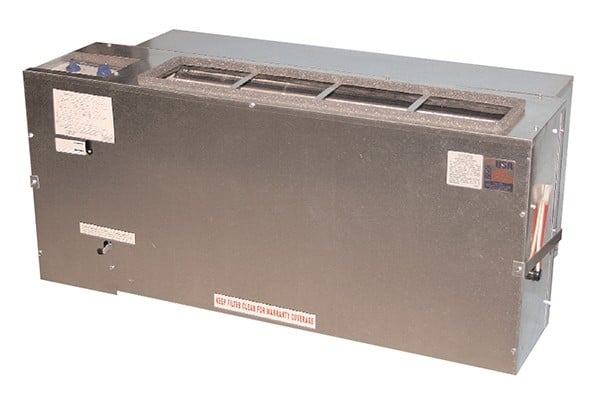
PTAC specialists understand the unique challenges these systems present. They stock the wall sleeves, heating coils, actuators, and control boards that fail most frequently. They know which manufacturers’ parts interchange and which don’t. They understand the installation quirks that affect performance and the building codes that govern replacements. This focused expertise helps you avoid the expensive mistakes that come from treating PTAC work like standard HVAC.
At Lion-Air Enterprises, we’re the parent company of three PTAC market leaders – Accumtemp, Lion-Aire, and Spectrum – bringing over 50 years of specialized PTAC expertise to the New York market. This kind of focused knowledge helps contractors solve problems faster and avoid the trial-and-error that wastes time and money. When you’re working on through-wall units in older buildings or dealing with the salt-air corrosion that affects waterfront properties, specialist knowledge makes the difference between a quick fix and an all-day struggle.
Commercial HVAC supply requires different capabilities than residential work. Larger equipment, longer lead times, more complex systems, and higher-stakes installations demand suppliers with commercial expertise. Look for distributors who understand building codes, can source engineered systems, and provide submittal support for commercial projects. The HVAC supply store that serves residential contractors well might not have the commercial depth you need for bigger jobs.
Refrigeration specialists serve contractors working on commercial refrigeration, walk-in coolers, and specialized cooling applications. These suppliers stock components and refrigerants that general HVAC houses might not carry. If you work in restaurants, grocery stores, or food service, a refrigeration-focused supplier becomes essential for completing jobs without delays.
Building relationships with specialty suppliers doesn’t mean abandoning your primary vendor. It means having the right resource for each type of work. The contractor who can call the right supplier for each job completes work faster and with fewer complications. Your customers notice the difference between a contractor who knows exactly where to source every component versus one who’s constantly hunting for parts.
Manufacturer-specific distributors sometimes offer advantages for contractors who work primarily with one brand. Trane Supply, Carrier distributors, and other brand-focused operations provide deep inventory of that manufacturer’s parts, direct factory support, and sometimes preferential pricing for certified installers. If you’ve built your business around a specific brand, these relationships can provide competitive advantages that generic suppliers can’t match.
Building Your HVAC Supply Network for Long-Term Success
The HVAC supply stores you work with directly impact your ability to serve customers, complete jobs profitably, and build your reputation. Choosing suppliers based on convenience alone leaves money and opportunity on the table every single day.
Build relationships with multiple suppliers that each serve specific needs. Have a primary vendor for everyday parts, a specialty source for complex equipment, and emergency contacts for after-hours situations. Test new suppliers on small orders before committing to major purchases or credit accounts. The time you invest in building these relationships pays back every time you need parts fast or face a problem you haven’t encountered before.
The best supplier relationships develop over time through consistent communication and mutual respect. Your suppliers should know your business, understand your standards, and recognize that your success drives their growth. When that partnership works, both sides benefit.
For contractors serving Nassau County and the surrounding areas, particularly those working with PTAC systems and commercial equipment, we at Lion-Air Enterprises offer specialized expertise backed by decades of experience in the New York market.