
Summary:
Your HVAC system doesn’t care that it’s 11 PM on a Saturday. Or that tomorrow’s a holiday. It quits when it quits, and suddenly you’re dealing with a house that’s either too hot or too cold, family members who are uncomfortable, and the stress of finding help outside normal business hours.
The question that immediately follows is always the same: how much is this going to cost?
Emergency HVAC service comes with different pricing than a Tuesday afternoon repair call, and for good reasons. What you’re paying for goes beyond the actual fix—it’s the immediate availability, the technician giving up their evening or weekend, and the priority response that gets your system running when you need it most.
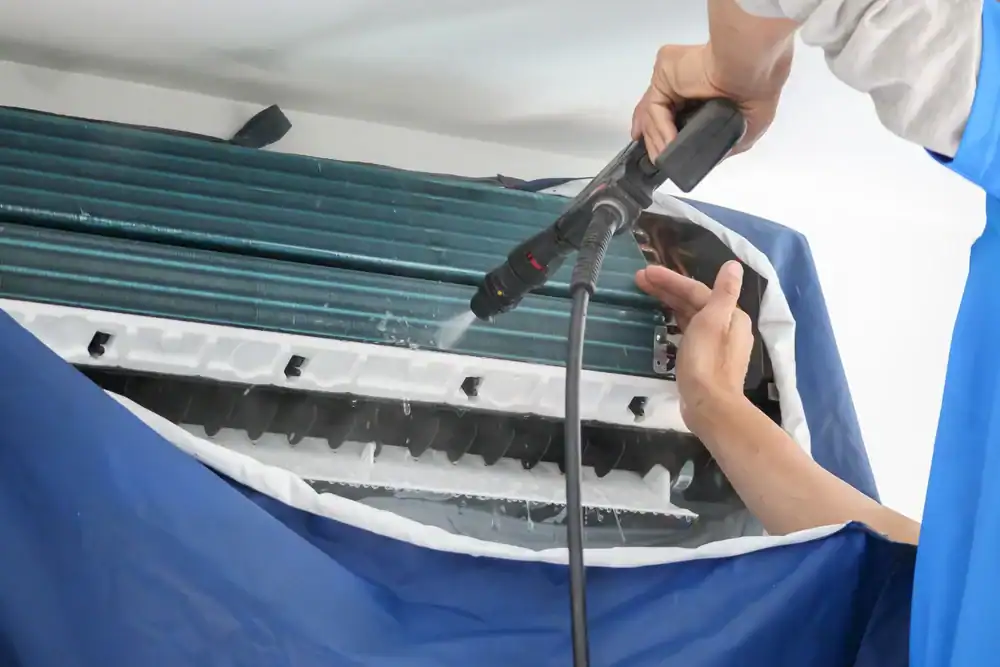
Here’s what actually determines 24 hour HVAC repair costs in Nassau County, and what you should expect when you make that emergency call. For related maintenance, you can also learn more about AC cleaning services to help keep your system operating reliably.
24 Hour HVAC Repair Cost in Nassau County
Emergency HVAC repair in Nassau County typically costs between $300 and $1,200 or more, depending on what’s broken and when you need it fixed. That’s a wide range, and the final number depends on several factors that all come into play when you’re calling for help at midnight or on a Sunday.
Standard service calls during business hours usually run $89 to $200 just to get a technician to your door. That covers their travel time, diagnostic work, and the initial assessment. When you need that same service after hours, you’re looking at an additional $100 to $300 on top of the base service call fee.
Labor rates also change outside of normal business hours. After-hours work typically costs 1.5 to 2 times the standard hourly rate. If a repair normally takes two hours at $100 per hour during the day, that same work might cost $150 to $200 per hour at night or on weekends. Add in the parts you need—whether it’s a simple capacitor or a more complex compressor—and the total climbs from there.
What Drives Emergency HVAC Service Cost
The premium you pay for emergency HVAC service isn’t arbitrary. It reflects real costs that come with maintaining 24/7 availability and pulling technicians away from their personal time.
Technicians working nights, weekends, and holidays earn overtime wages. That’s standard across the industry, and it’s often mandated by labor laws. When we pay a technician time-and-a-half or double time, those costs get passed to you. It’s not a markup for the sake of it—it’s compensation for someone showing up at your door when most people are asleep or enjoying their day off.
Availability itself costs money. HVAC companies that offer true 24/7 service keep technicians on call, stock service vehicles with common parts, and maintain dispatch systems that can respond at any hour. Those operational expenses exist whether or not you call, but they make it possible for help to arrive when you actually need it.
The urgency factor also matters. Emergency calls often get priority over scheduled appointments, which means rearranging the day’s workload and potentially delaying other customers. That logistical challenge—getting someone to you fast—adds to the cost.
Parts availability plays a role too. During regular business hours, a technician can swing by a supplier if they need a specific component. After hours, they’re limited to what’s already in their truck or what’s available from 24-hour distributors, who often charge a premium for immediate access.
Finally, there’s the complexity of working under pressure. Emergency repairs happen in crisis moments, often with less-than-ideal conditions. The technician needs to diagnose the problem quickly, explain your options clearly, and get your system running again—all while you’re stressed and uncomfortable. That level of service and expertise carries value.
Understanding these factors doesn’t make the bill smaller, but it does explain why emergency HVAC service costs what it does. You’re not just paying for the repair—you’re paying for immediate access to expertise when time matters most.
Weekend HVAC Repair Cost and Timing
Weekend HVAC repairs typically cost 25% to 75% more than weekday service, with some companies charging premiums as high as 50% to 100% above standard rates. A repair that might cost $300 on a Tuesday could easily run $450 to $600 on a Saturday or Sunday.
The timing within the weekend also affects pricing. A Saturday morning call might cost less than a Sunday evening request. Some companies tier their weekend pricing based on how disruptive the timing is to their normal operations. Early Saturday appointments often fall on the lower end of the premium scale, while late Sunday calls—when technicians are preparing for the week ahead—tend to hit the higher end.
Not all weekend calls are created equal, either. If you schedule a weekend appointment in advance because it’s the only time you’re home, that’s different from an urgent breakdown that requires immediate dispatch. Scheduled weekend service usually costs less than true emergency response, even though both happen outside normal business hours.
The type of repair also influences the final cost. Simple fixes like thermostat adjustments or filter replacements take less time and require fewer parts, keeping costs lower even with weekend premiums. More complex issues—compressor failures, refrigerant leaks, electrical problems—take longer to diagnose and repair, which means more labor hours at that elevated weekend rate.
In Nassau County specifically, where the cost of living is already 48% above the national average and electricity costs run 38% higher than most of the country, weekend HVAC service reflects those regional realities. Technicians here face higher overhead costs, and that shows up in pricing.
One thing to watch for: companies that charge reasonable weekend premiums versus those that use urgency as an excuse to inflate every line item on the estimate. A fair weekend surcharge covers the actual cost of overtime labor and weekend availability. An unfair one treats your emergency as an opportunity to maximize profit on parts, labor, and service fees all at once.
Before agreeing to weekend service, ask for the total estimated cost upfront. A reputable company will give you a clear breakdown that shows the base repair cost, the weekend premium, and what you’re actually paying for.
Emergency HVAC Service Cost: After-Hours and Holiday Pricing
After-hours and holiday HVAC service carries the highest premiums, often doubling the cost of the same repair during regular business hours. Emergency rates on major holidays can push repair costs from $600 to $1,100 or more, depending on what needs fixing and how urgently you need it done.
Holiday pricing reflects the reality that technicians working on Thanksgiving, Christmas, or New Year’s Day are giving up time with their families. The premium compensates for that sacrifice and ensures someone’s available when most businesses are closed. It’s not unusual to see holiday surcharges reach 100% or more above standard rates.
After-hours calls—typically anything between 5 PM and 8 AM on weekdays—fall somewhere between standard and holiday pricing. Evening calls might add 25% to 50% to your bill, while late-night emergencies can push closer to weekend or holiday rates. The later the hour, the higher the premium tends to be.
What you’re paying for during these times goes beyond just the repair. You’re getting immediate response when alternatives don’t exist. Your options at 2 AM aren’t “call now or call a competitor”—they’re “call now or wait until morning while your house gets colder or hotter.”
Holiday HVAC Service: When Surcharges Apply
Holiday HVAC service surcharges typically apply on major holidays when most businesses close: New Year’s Day, Memorial Day, Independence Day, Labor Day, Thanksgiving, and Christmas. Some companies also charge holiday rates on the evenings before major holidays and the weekends surrounding them.
The surcharge itself usually ranges from 50% to 100% above standard pricing, though some companies charge even more for major holidays like Christmas or Thanksgiving. If a standard repair costs $400 during the week, that same fix might run $600 to $800 on a holiday.
Not every holiday carries the same premium. Independence Day and Labor Day, which fall during peak HVAC season, often see higher surcharges than holidays during milder weather. The demand for emergency AC repair during a July 4th heatwave is significantly higher than demand for emergency heating on Presidents’ Day, and pricing reflects that.
Timing within the holiday matters too. A call placed early on Thanksgiving morning might cost less than one made late Thanksgiving night, simply because the earlier call is easier to schedule and less disruptive to the technician’s day.
Here’s what’s reasonable and what’s not: a holiday premium that covers overtime wages and the cost of maintaining holiday availability is fair. What’s not fair is using the holiday as an excuse to inflate parts costs, add hidden fees, or charge for work that isn’t necessary. A reputable company charges more for labor and availability on holidays, but the parts and the scope of work should be priced the same as any other day.
Before committing to holiday service, ask these questions: What’s your holiday service fee? Does that cover just the service call, or is it built into the labor rate? Are parts priced the same as they would be on a weekday? Will I get a written estimate before work begins?
Those answers tell you whether you’re working with a company that’s being transparent about holiday costs or one that’s taking advantage of your situation. We explain our pricing clearly and give you the information you need to make an informed decision, even when you’re calling on Christmas Eve because your heat just quit.
What Makes HVAC Repair a True Emergency
Not every HVAC problem requires emergency service, and knowing the difference can save you from paying after-hours rates for something that can wait until morning. A true HVAC emergency threatens your safety, health, or property—or creates conditions that are genuinely unsafe or unbearable.
Complete system failure during extreme temperatures qualifies as an emergency. When it’s 15 degrees outside and your heat stops working, or when it’s 98 degrees and your AC quits, you’re not just uncomfortable—you’re potentially facing health risks. Extreme cold can lead to frozen pipes and burst water lines. Extreme heat can cause heat exhaustion or worse, especially for children, elderly family members, or anyone with health conditions.
Safety issues always constitute emergencies. If you smell gas (that rotten egg odor), see smoke or sparks coming from your HVAC unit, notice burning smells, or hear your carbon monoxide detector going off, you need immediate help. These situations can escalate quickly into fires, explosions, or carbon monoxide poisoning. Turn off your system, evacuate if necessary, and call for emergency service.
Electrical problems also require urgent attention. If your HVAC system keeps tripping the circuit breaker, if you see frayed wiring or scorch marks near the unit, or if the system shuts down unexpectedly with no clear cause, those are signs of electrical issues that could cause a fire.
Refrigerant leaks, while less obviously dangerous, still qualify as emergencies. Refrigerant can be toxic when inhaled, and a leak compromises your system’s ability to heat or cool while potentially causing further damage to the compressor and other components.
Water leaks near electrical components create both safety hazards and the potential for significant property damage. If you see water pooling around your HVAC unit, especially near wiring or electrical panels, that needs immediate attention.
What doesn’t qualify as an emergency? A system that’s running but not cooling or heating as efficiently as usual. A thermostat that needs adjustment. A filter that needs changing. Strange noises that don’t involve sparking or smoke. Slightly higher energy bills. These issues need attention, but they can wait for regular business hours when you’ll pay standard rates instead of emergency premiums.
The test is simple: Is someone’s safety at risk? Is your property at risk of damage? Are indoor temperatures extreme enough to threaten health? If the answer to any of those questions is yes, it’s an emergency. If the answer is no, it’s probably something that can wait until morning or Monday.
When you’re not sure, call and describe the situation. A reputable HVAC company will tell you honestly whether you need emergency service or if the issue can wait. Companies that pressure you into emergency service for non-urgent issues aren’t the ones you want working on your system.
Making Informed Decisions About Emergency HVAC Costs
Emergency HVAC repairs cost more than scheduled service, and that’s not going to change. What you can control is understanding what you’re paying for and whether the pricing you’re being quoted is fair.
Reasonable emergency pricing covers overtime labor, after-hours availability, and the operational costs of maintaining 24/7 service. Unreasonable pricing uses your urgent situation as an excuse to inflate every aspect of the bill. The difference comes down to transparency—companies that explain their costs upfront versus those that hit you with surprise charges after the work is done.
When you need emergency HVAC service in Nassau County, you’re looking for expertise you can trust, pricing you can understand, and work that’s done right the first time. We’ve been providing exactly that for over 50 years at Lion-Air Enterprises, specializing in PTAC and HVAC systems throughout Nassau County and the NYC area. All our work is backed by a one-year guarantee, and pricing is always explained before any work begins.
Your HVAC emergency doesn’t have to include uncertainty about costs or quality. Knowing what to expect and who to call makes all the difference.