Summary:
Why Proper HVAC Installation Matters More Than You Think
About 90% of HVAC systems are installed incorrectly, causing problems like leaks, higher energy bills, and less efficiency. In Queens’ challenging environment, these installation errors become even more problematic.
Your HVAC system represents one of your home’s largest investments. When installed correctly, it provides decades of reliable service while keeping energy costs manageable. When installed poorly, you’re looking at a cascade of problems that compound over time.
If the system isn’t correctly installed, you’re likely paying more money for fewer benefits. According to Energy Star, more than half of the HVAC systems in American homes aren’t delivering the efficiency and savings they’re capable of due to installation errors.
The Hidden Cost of Installation Mistakes in NYC
NYC’s unique housing challenges make proper installation even more critical. Queens’ diverse housing stock ranges from pre-war apartments with limited electrical capacity to modern high-rises with complex HVAC systems. Each building type presents specific installation challenges that inexperienced contractors often mishandle.
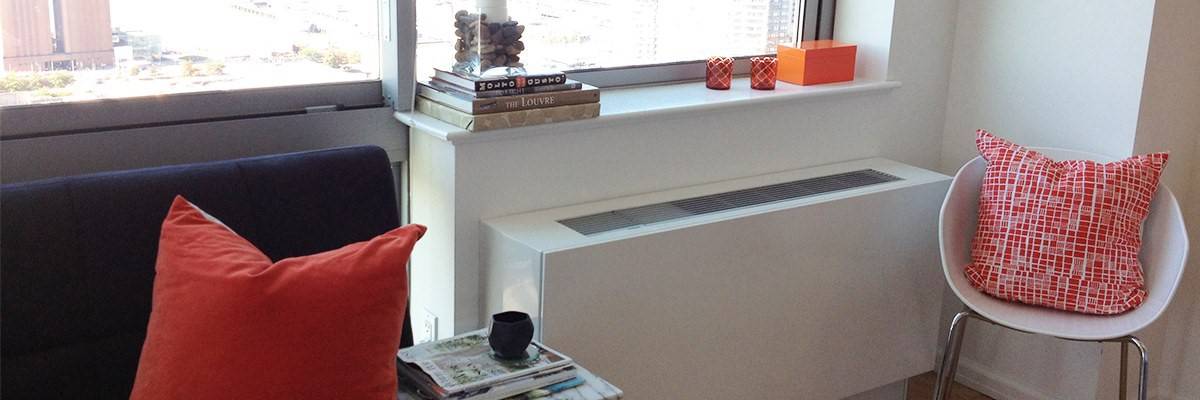
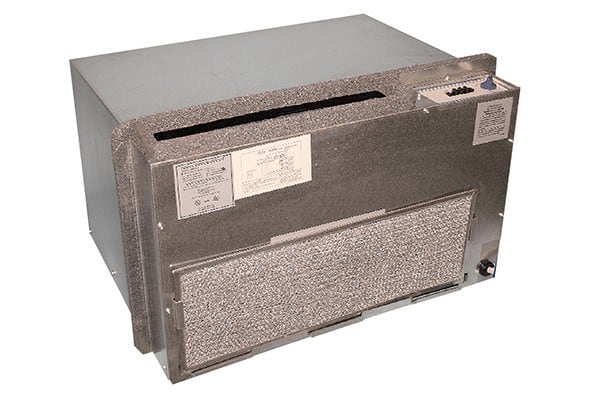
PTAC units in NYC face unique challenges including constant temperature swings, city dust, and heavy usage patterns that create specific problems you won’t find in suburban settings. When contractors don’t understand these local conditions, they make decisions that seem reasonable but fail under NYC’s demanding environment.
The financial impact hits you in multiple ways. First, you’ll see higher energy bills immediately as inefficient systems work harder to maintain comfort. A sudden spike in energy bills without a corresponding increase in usage often points to an inefficient HVAC system caused by poor installation. Second, you’ll face frequent repair calls as improperly installed components fail prematurely. Third, your system’s lifespan shortens dramatically, forcing expensive replacement years earlier than necessary.
Consider the typical Queens apartment building where multiple units share electrical and structural systems. An oversized unit doesn’t just waste energy—it can stress building electrical systems and create noise issues that affect neighbors. Installing air conditioning in Queens involves navigating city codes, co-op board requirements, and building-specific regulations that out-of-area contractors often don’t understand.
How to Spot Installation Problems Early
Identifying common signs of improper HVAC installation early can save homeowners from long-term headaches and expenses, including inefficient heating and cooling where your HVAC system struggles to maintain desired temperature or there are noticeable hot and cold spots throughout your home.
Watch for these warning signs in the first few months after installation. Short cycling, when your HVAC system turns on and off frequently, reduces the lifespan of your system and indicates your HVAC unit was improperly sized. You shouldn’t hear unusual noises like banging, clanking, or hissing, which often signal ductwork or component installation problems.
Water leaks escape due to poorly sealed connections or misaligned components in the drainage system. In Queens’ older buildings, this becomes especially problematic as water damage can affect multiple units and violate building codes.
Electrical issues including overloaded circuits, tripped breakers, or frequent power surges can harm HVAC components and reduce their lifespan. This is particularly concerning in pre-war Queens buildings where electrical systems weren’t designed for modern HVAC loads.
Regularly needing repairs for your relatively new HVAC system, or issues with dust, allergens, or humidity due to an improperly sealed system affecting indoor air quality indicate serious installation problems that need immediate attention.
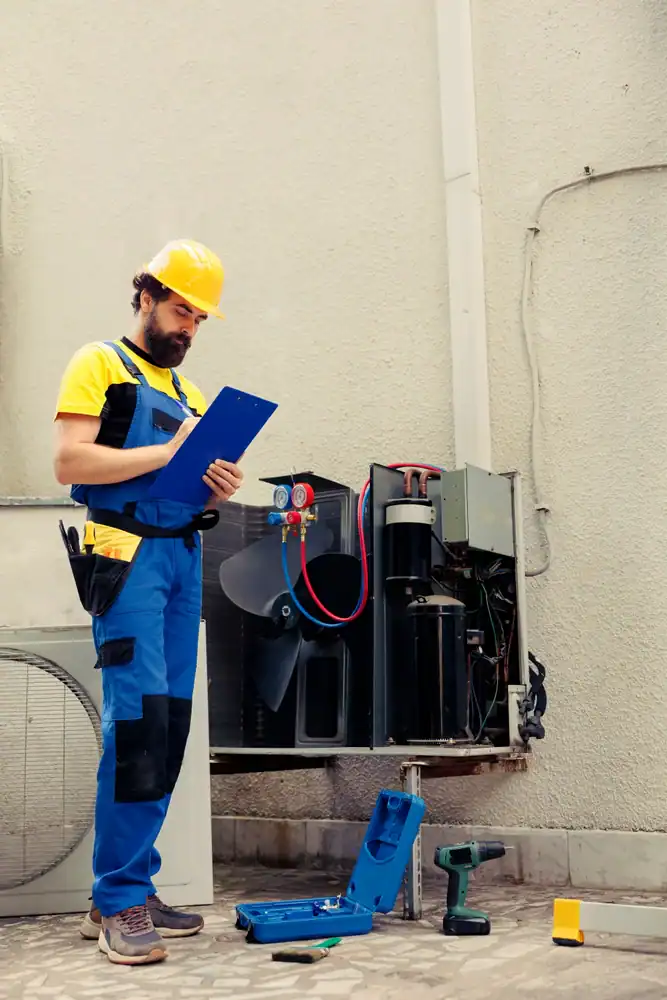
The key is acting quickly when you notice these issues. If you suspect your HVAC system was not installed correctly, hire an HVAC professional to inspect your system thoroughly as we can identify installation errors and recommend corrective actions. Choose an HVAC company with good reviews and appropriate certifications.
The 7 Most Expensive HVAC Installation Mistakes
These seven installation errors account for the majority of HVAC problems in NYC homes. Each mistake creates specific issues that compound over time, turning what should be a long-term investment into an ongoing expense.
Understanding these mistakes helps you ask the right questions during contractor selection and installation. More importantly, it helps you recognize problems early when they’re still correctable without major system replacement.
Mistake #1: Wrong System Size - The Most Costly Error
One of the most significant mistakes made when installing an HVAC system is the improper sizing of HVAC equipment. An undersized HVAC system will struggle to maintain the desired temperatures since it will need to run longer and harder than it was designed to do. Conversely, oversized units lead to frequent on-off cycling and inefficient operation.
According to industry experts, installing an air conditioner that’s too large or too small for the space is one of the most important HVAC mistakes to avoid. If the AC unit is too small for the home, it runs longer and works harder. In Queens’ challenging climate, this becomes even more problematic.
The sizing process requires detailed load calculations that consider your home’s square footage, insulation levels, window placement, ceiling height, and local climate conditions. A critical step in installing an HVAC system is performing an accurate load calculation to determine the correct size unit for the home. If this calculation is done incorrectly, you can end up with a system that’s either too large or too small for the home, both of which can cause significant issues.
Many contractors take shortcuts by simply replacing your old unit with the same size, but this approach ignores changes you’ve made to your home. You shouldn’t assume the old size is the right size today. If you improved insulation and installed new windows, you probably need something smaller, but if no upgrades have been made, you might actually need something a bit larger, since older homes tend to lose more heat over time without improvements.
In Queens’ diverse housing stock, proper sizing becomes even more critical. Pre-war buildings with high ceilings and minimal insulation have different requirements than modern high-rises with efficient windows and building envelope systems.
Mistakes #2-7: Critical Installation Errors That Drain Your Wallet
Mistake #2: Poor Ductwork Sealing and Design
Improper ductwork sealing occurs when the ductwork isn’t efficiently secured, allowing forced air to seep out of cracks that shouldn’t exist at all, requiring permanent sealer to close any gaps. Mistakes in ductwork design lead to major inefficiencies in HVAC systems, with leaky ducts or poorly sealed fittings causing energy loss and uneven temperature distribution, hindering system performance.
Mistake #3: Wrong Thermostat Placement
Installing the thermostat in the wrong location affects the efficiency of your HVAC system, causing the AC to run harder than it should due to inaccurate temperature readings. Your thermostat’s placement has a significant effect on your HVAC system’s performance, with installation in locations with direct sunlight, drafts, or near heat-producing appliances causing inaccurate temperature readings and inefficient operation.
Mistake #4: Incorrect Vent Placement and Airflow Design
If your vents are in incorrect places, you won’t receive adequate airflow from the HVAC, which can be quickly solved by spreading the vents evenly throughout your home in areas where they won’t be covered. Inadequate airflow design can hinder the system’s performance and compromise indoor comfort, with the surrounding area of the AC unit needing to be cleared to improve cooling efficiency, and vents installed high up on walls or ceilings to avoid interior furnishings from blocking them.
Mistake #5: Insufficient Outdoor Unit Clearance
In order for an AC to run optimally, its condenser needs to have at least 2 feet of clearance on each of its sides, as insufficient clearance causes the unit to struggle to intake air and work much harder than it would otherwise, resulting in increased energy usage as well as undue wear and tear.
Mistake #6: Ignoring Ventilation Requirements
Ventilation often gets overlooked during HVAC installations, yet it’s a cornerstone for maintaining good indoor air quality. Without proper ventilation, buildings suffer from poor airflow leading to discomfort and health issues, increased indoor air pollution as contaminants build up, damp areas that could foster mold growth, and poor temperature regulation.
Mistake #7: Skipping Manufacturer Guidelines
Each HVAC system comes with specific installation guidelines from the manufacturer, and ignoring these instructions leads to improper installation, voided warranties, and reduced system efficiency. Always ensure that your HVAC contractor follows the manufacturer’s guidelines during installation to guarantee optimal performance and protect your investment.
Protecting Your HVAC Investment in Queens, NY
To ensure proper installation and improve system performance, efficiency, and lifespan, it is crucial to hire a professional HVAC contractor. Avoiding these common mistakes can save homeowners from unnecessary expenses and ensure optimal functioning of their HVAC systems.
The difference between a properly installed system and one plagued by these common mistakes can mean thousands of dollars in energy costs and repairs over your system’s lifetime. In Queens’ demanding environment, these stakes become even higher.
Prevent HVAC installation mistakes by hiring a specialist who does research so you’ll get the most out of our work and your time and money, as it’s beneficial to have the HVAC installed professionally so there will be little to no risks. When you need expert HVAC installation that avoids these costly mistakes, contact us at Lion-Air Enterprises for professional service backed by decades of Queens-specific experience.