Summary:
Check Your Thermostat and Power Supply First
This sounds almost too obvious, but thermostat and power issues cause more “broken” HVAC systems than any mechanical problem. Your system might be working perfectly—it’s just not getting the right signals or power to operate.
Start with your thermostat batteries if you have a battery-powered unit. Dead batteries are one of the most frequent causes of HVAC problems, and they can fail without warning. Replace them even if they seem fine, since weak batteries can cause erratic behavior before they die completely.
Check that your thermostat is set to the right mode for the season—heating in winter, cooling in summer. Verify the temperature setting makes sense for what you’re trying to achieve. Then look at your circuit breaker panel for any tripped breakers related to your HVAC system.
How to Reset Your HVAC System After Power Issues
Power outages and electrical surges can cause your HVAC system to shut down as a safety measure. Even brief power fluctuations that you might not notice can trigger these protective shutdowns.
The solution is usually simple: perform a complete system reset. Turn off power to your HVAC unit at the circuit breaker, wait 15-30 seconds, then turn it back on. This gives the system’s control boards time to reset and clear any error codes that might be preventing normal operation.
After restoring power, adjust your thermostat to call for heating or cooling. Listen for the system to start up—you should hear fans running and feel air movement within a few minutes. If your system has been off for a while, give it several minutes to reach the set temperature before assuming there’s still a problem.
Many homeowners skip this step and call for service immediately after power issues, but a simple reset resolves the majority of these situations. It’s the first thing most technicians will try when they arrive, so you might as well attempt it yourself first.
The key is being patient after the reset. Systems need time to stabilize and begin normal operation, especially if they’ve been off for extended periods. Don’t assume the reset failed if you don’t see immediate results.
Replace Your Air Filter to Restore Proper Airflow
A clogged air filter restricts airflow and makes your system work harder, leading to reduced efficiency, higher energy bills, and potential system damage. In NYC apartments where dust accumulates quickly, filters can become problematic faster than in suburban homes.
Locate your air filter—it’s usually near the air handler, in a return air vent, or in the furnace itself. Remove it and hold it up to a light source. If you can’t see light clearly through the filter material, it needs replacement regardless of how long it’s been installed.
Replace disposable filters with the exact same size and type. The filter dimensions are printed on the frame, typically something like 16x20x1 or 20x25x1. Using the wrong size reduces efficiency and can allow unfiltered air to bypass the system entirely.
For reusable filters, clean them according to manufacturer instructions, usually with water and mild detergent. Allow them to dry completely before reinstalling—a damp filter can promote mold growth and damage your system.
Check your filter monthly during heavy-use seasons and replace or clean as needed. In NYC’s dusty urban environment, you might need to change filters more frequently than the standard 90-day recommendation, especially if you have pets or allergies.
Don’t run your system without a filter, even temporarily. Unfiltered air carries dust and debris directly to sensitive components, potentially causing expensive damage that’s not covered under warranty.
Clear Blocked Vents and Outdoor Units
Restricted airflow is one of the most common causes of HVAC problems, yet it’s completely preventable and easily fixed. Your system depends on free air movement to operate efficiently and maintain proper temperatures throughout your home.
Walk through your home and check every vent and register. Remove furniture, curtains, storage boxes, or anything else blocking air intake or output. Even partially blocked vents can significantly reduce system performance and create uneven heating or cooling.
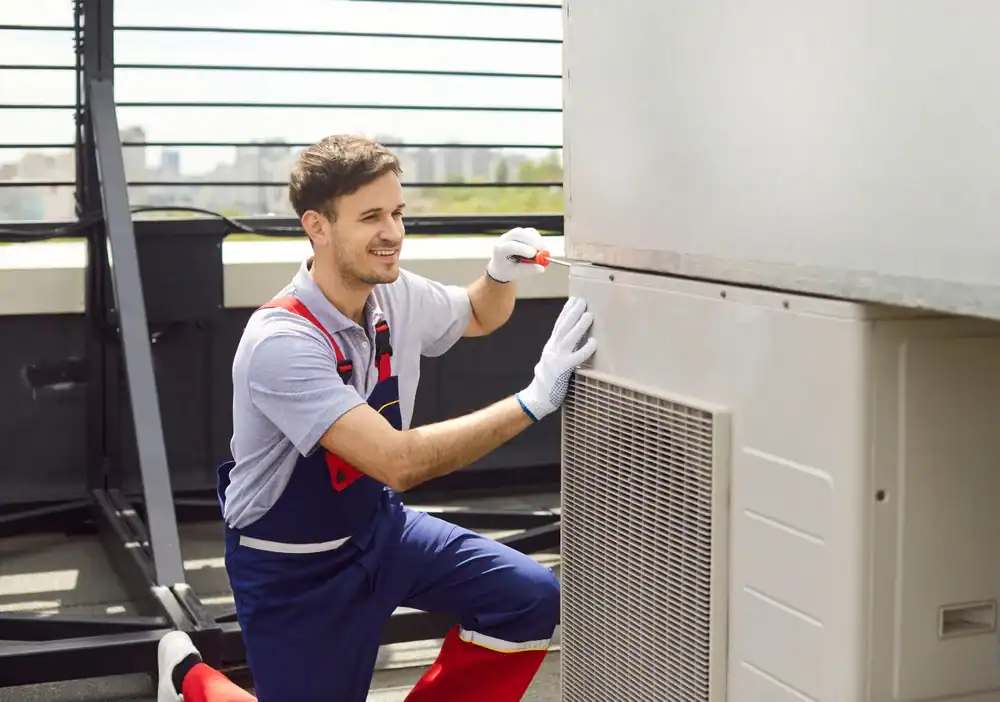
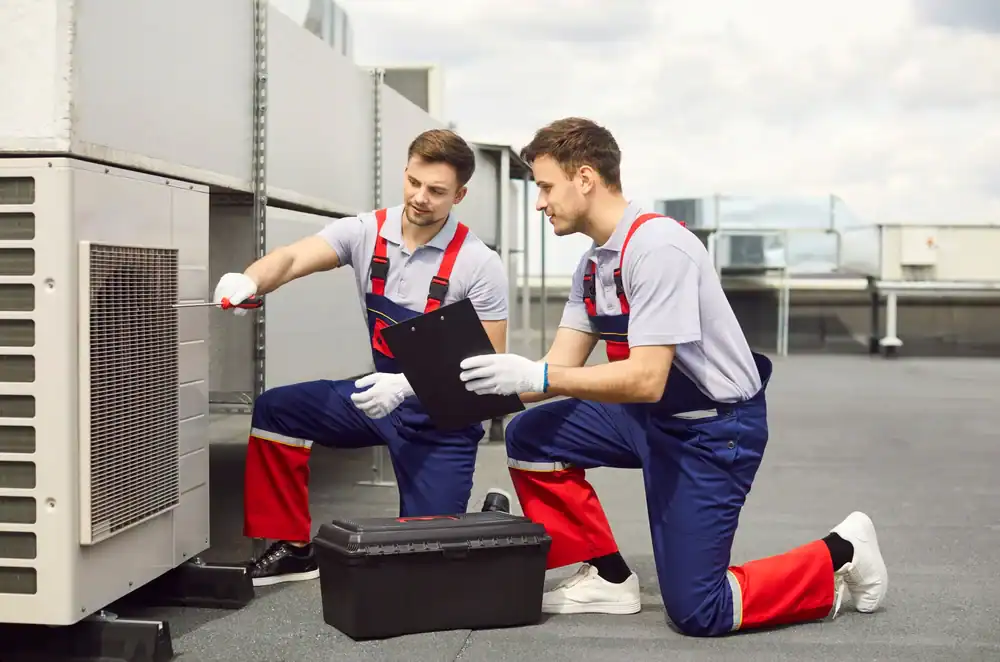
For outdoor units, clear away leaves, debris, ice, or snow that might obstruct airflow. Your outdoor unit needs at least two feet of clearance on all sides to function properly. Trim back vegetation and remove any objects that have accumulated around the unit.
Deal With Frozen Components in NYC Winters
NYC winters create unique challenges for HVAC systems, particularly frozen components that can shut down your heating entirely. Ice buildup on outdoor units or in drain lines is common and often fixable without professional help.
If you suspect frozen components, turn off your system and allow time for natural thawing. Don’t try to speed the process with hot water or tools—you could damage delicate parts. Once thawed, check that drain lines are clear and that water can flow freely away from the unit.
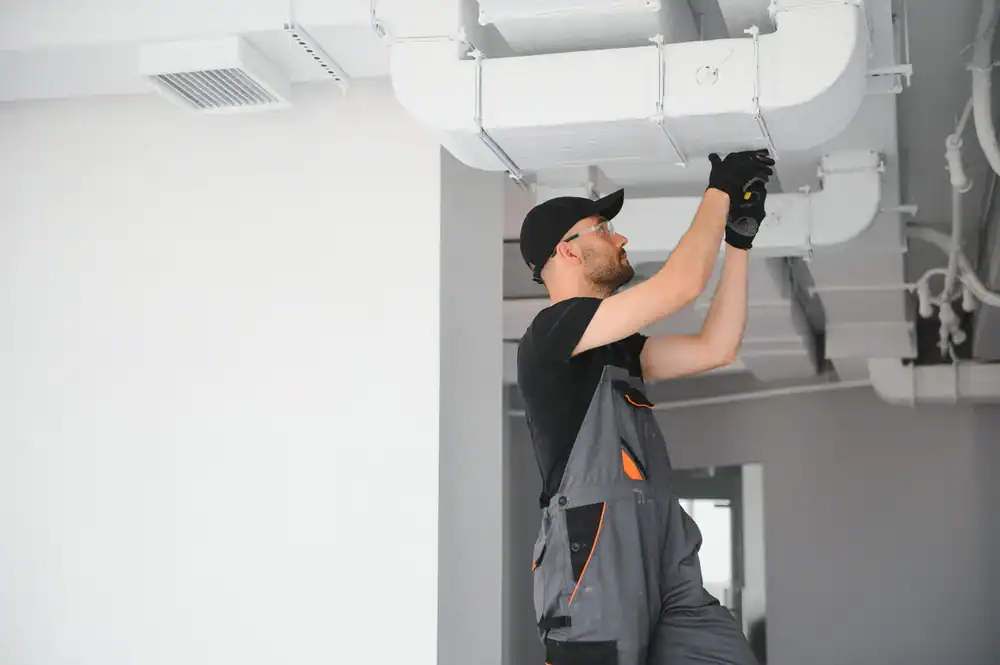
For heating systems, check exhaust flues and vents for blockages. Birds, leaves, or other debris can obstruct these openings and prevent proper operation. If you can safely access these areas, clear any visible obstructions, but never attempt to dismantle ductwork unless you’re confident in reassembling it correctly.
Drain line blockages are another common issue, especially during heavy-use seasons. These lines carry condensation away from your system, and when they become clogged with sediment or mold, your system may shut down to prevent water damage.
You can often clear minor drain line clogs by flushing the line with a mixture of water and bleach, letting it sit for several minutes, then flushing with clean water. This removes buildup and helps prevent future blockages.
Pay attention to any unusual sounds during operation—banging, clanking, or gurgling noises often indicate blockages or ice formation affecting normal system operation.
Know When to Call a Professional HVAC Contractor
While many HVAC issues have simple solutions, some problems require professional expertise for safety and proper resolution. Knowing when to stop DIY troubleshooting and call a qualified technician can prevent damage to your system and protect your safety.
Never handle refrigerant leaks, gas leaks, or electrical issues beyond checking circuit breakers. These situations involve hazardous materials or dangerous conditions that require specialized training and equipment. If you smell gas, see sparks, or notice refrigerant leaking, turn off your system immediately and contact a professional.
Strange odors, persistent unusual noises, or systems that won’t stay running after basic troubleshooting indicate problems that need professional diagnosis. Continuing to operate a malfunctioning system can cause expensive damage that transforms a simple repair into a major replacement project.
If your system is more than 10-15 years old and experiencing frequent problems, a professional evaluation can help determine whether repair or replacement makes more financial sense. Older systems often need specialized knowledge about discontinued parts and outdated technologies.
Emergency situations—like no heat during extreme cold or no cooling during dangerous heat—warrant immediate professional attention. Your comfort and safety are worth the emergency service fees when conditions become hazardous.
Trust your instincts about system behavior. You know how your HVAC normally sounds and operates, so persistent changes in performance, efficiency, or operation patterns deserve professional attention even if the system still runs.
Save Money and Keep Your System Running Efficiently
These five troubleshooting steps solve the majority of common HVAC problems NYC homeowners encounter. Most issues develop gradually rather than appearing suddenly, giving you time to address them before they become expensive emergencies.
Regular maintenance prevents many problems from occurring in the first place. Change filters monthly during heavy-use seasons, keep vents clear, and perform seasonal checks of your outdoor unit. These simple habits extend your system’s lifespan and maintain efficient operation.
When DIY troubleshooting doesn’t resolve the issue, don’t hesitate to contact us at Lion-Air Enterprises for professional diagnosis and repair. Sometimes the most cost-effective solution is getting expert help before a small problem becomes a major expense.