
Summary:
How Digital Diagnostics Work in Modern PTAC Repair
Digital diagnostics turn your PTAC unit into something closer to a self-monitoring system. Small sensors embedded in the equipment track temperature, pressure, vibration, and energy draw. When something deviates from normal operation—a compressor running hotter than it should, a fan motor vibrating irregularly—the system flags it.
Modern PTAC units communicate these issues through error codes displayed on your thermostat or control panel. Instead of a technician spending an hour testing components one by one, we arrive already knowing whether you’re dealing with a sensor fault, a refrigerant leak, or a failing compressor. That cuts diagnostic time and gets your system back online faster.
The real advantage shows up in accuracy. Traditional PTAC troubleshooting relies on experience and educated guesses. Digital diagnostics rely on data. We see exactly what’s happening inside the unit, which means fewer return visits and repairs that actually solve the problem.
What Sensor Calibration Means for Your PTAC System
Sensors are the eyes and ears of your PTAC unit. They measure refrigerant pressure, track airflow, monitor electrical current, and report temperature readings. When these sensors drift out of calibration, your system starts making decisions based on bad information.
A miscalibrated temperature sensor might tell your PTAC it’s 68 degrees when it’s actually 74. The unit thinks the room is cool enough and stops working, while you’re still sweating. Or it overcorrects, running constantly and driving your energy bill through the roof.
Sensor calibration issues show up as digital error codes on modern systems. E3 or E4 codes often point to sensor problems—either a faulty component or one that needs recalibration. Outdoor sensors are especially prone to drift because they’re exposed to weather extremes, direct sunlight, and debris buildup that’s common across NYC buildings.
Professional PTAC repair now includes sensor testing as standard practice. We use calibrated reference tools to verify that your sensors are reading accurately. If they’re off, the fix might be as simple as cleaning the sensor or adjusting its position. Sometimes the sensor needs replacement.
This matters more than you might think. In NYC, where PTAC units work overtime fighting summer heat and winter cold, sensor accuracy directly affects how efficiently your system runs. A sensor that’s off by just a few degrees can increase your energy consumption by 10-15% without you noticing anything except a higher bill.
The shift to smart HVAC diagnostics means these calibration issues get caught during routine maintenance instead of after your system has been wasting energy for months. We download performance data, spot the drift, and correct it before it costs you money or comfort.
Understanding PTAC Error Codes and What They Tell You
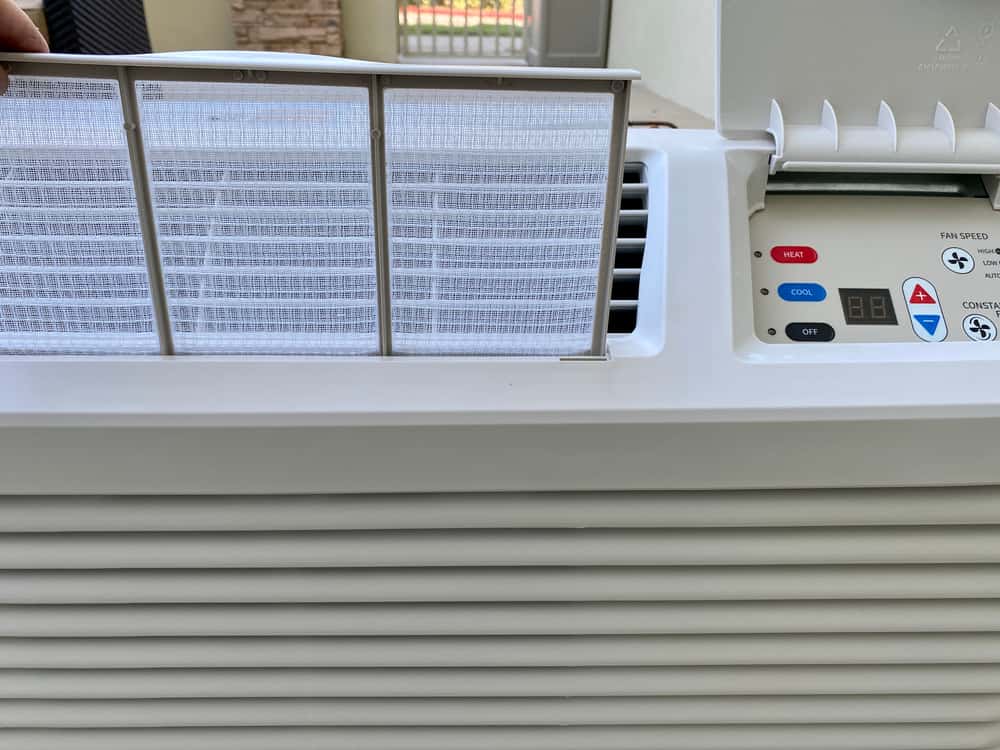
Error codes are your PTAC system’s way of explaining what’s wrong. Modern units display these codes on the thermostat or control panel—usually a combination of letters and numbers like E1, F2, or P8. Each code corresponds to a specific problem, turning vague symptoms into actionable information.
Communication errors show up as codes like “comms error,” E1, or E2. These indicate the thermostat can’t talk to the HVAC system, usually because of loose wiring or a temporary fault. Sometimes it’s as simple as a wire that worked its way loose during normal vibration. Other times it points to a failing control board.
Sensor errors typically display as E3, E4, or E5 codes. E3 and E4 usually mean problems with indoor sensors—either the temperature sensor or humidity sensor isn’t reading correctly. E5 specifically points to outdoor sensor issues, which are common in NYC where units face harsh weather and urban pollution.
Refrigerant and pressure codes often show up as E2 or E3 variations. A frozen evaporator coil triggers these codes when airflow gets restricted—usually from clogged filters or blocked vents. Low refrigerant levels cause similar errors because the system can’t maintain proper pressure.
The advantage of these digital error codes is specificity. When you call for service and tell us you’re seeing an E5 error, we know to bring outdoor sensor components. We arrive prepared with the right parts and tools, which means most repairs get completed on the first visit instead of requiring a return trip after ordering parts.
Some error codes indicate problems you can fix yourself. A clogged filter might trigger an airflow error. Checking your circuit breaker might resolve a power supply code. But sensor failures, refrigerant issues, and equipment malfunctions need professional attention. The code tells you which category you’re in.
In Queens and NYC, where PTAC units are the standard in apartments and hotels, understanding these codes helps you communicate clearly with repair services. You’re not describing vague symptoms like “it’s not cooling right.” You’re reporting a specific diagnostic code that points directly to the problem.
Predictive Maintenance: Catching PTAC Problems Before They Happen
Predictive maintenance flips the repair model. Instead of waiting for your PTAC to break and then fixing it, the system monitors itself continuously and alerts you when components are starting to wear out.
The technology tracks performance patterns over time. Your compressor normally draws a certain amount of current. If that draw starts creeping upward week after week, the system flags it as a developing problem. The compressor still works, but it’s working harder than it should—a sign that failure is coming.
This early warning gives you time to schedule repairs during normal business hours instead of paying emergency rates on a 95-degree Saturday. It also prevents secondary damage. A failing compressor that finally dies might take out other components with it. Catching it early keeps the repair simple and affordable.
How AI and Smart Technology Improve PTAC Repair Accuracy
AI-powered diagnostics analyze your PTAC system’s performance data and compare it against thousands of similar units. The software learns what normal operation looks like for your specific model and configuration, then watches for deviations that indicate problems.
This goes beyond simple threshold alerts. Traditional systems might trigger a warning when refrigerant pressure drops below a set level. AI diagnostics notice when pressure is trending downward even if it hasn’t hit the alarm threshold yet. That’s the difference between catching a slow leak early and discovering it after your system stops cooling.
Machine learning algorithms also improve over time. As they process more data from more systems, they get better at identifying patterns that precede failures. A slight vibration increase in your fan motor might not mean much on its own, but if that same pattern preceded motor failures in hundreds of other units, the AI flags it for attention.
For NYC property owners dealing with multiple PTAC units across apartments or hotel rooms, this smart HVAC technology scales efficiently. A building management system can monitor dozens of units simultaneously, prioritizing maintenance based on which systems show the most concerning trends. You fix the units that need it most instead of servicing everything on an arbitrary schedule.
The practical benefit is fewer surprises. Your PTAC doesn’t just stop working one day with no warning. You get alerts days or weeks in advance, with specific information about which component needs attention. That lets you plan repairs around your schedule and budget instead of scrambling for emergency service.
Remote diagnostics are part of this evolution. We can access your system’s performance data before we arrive on site. We review error logs, check sensor readings, and analyze trends from our office. By the time we knock on your door, we’ve already diagnosed the problem and brought the right parts.
What Technical Precision in PTAC Repair Actually Delivers
Technical precision in PTAC repair means measuring instead of guessing. It means using calibrated tools to verify that refrigerant charge is exactly right, not just “close enough.” It means testing electrical connections with multimeters instead of assuming they’re fine because they look okay.
Digital diagnostic tools make this precision accessible. Wireless probes measure temperature and pressure at multiple points in your system simultaneously. Bluetooth-enabled sensors track electrical current in real time. Integrated apps compile this data into visual dashboards that show exactly how your PTAC is performing.
This level of detail matters because PTAC systems operate within tight tolerances. Refrigerant charge needs to be within a few ounces of specification. Too little and your system can’t cool effectively. Too much and you risk compressor damage. Digital gauges measure charge precisely, ensuring optimal performance.
Airflow is another area where precision makes a difference. Your PTAC needs specific airflow rates across the evaporator coil to operate efficiently. Too little airflow causes the coil to freeze. Too much reduces cooling capacity. We now use digital anemometers to measure airflow and adjust fan speeds accordingly.
Electrical diagnostics have improved dramatically. Instead of just checking whether power is present, modern tools measure voltage quality, detect harmonics that indicate problems, and verify that all electrical components are drawing appropriate current. This catches issues like failing capacitors or degraded wiring before they cause complete failures.
For NYC buildings where PTAC units are connected to the building’s hot water system for heating, precision extends to water flow and temperature. Digital thermometers verify that supply water is at the right temperature. Flow meters ensure adequate circulation. These measurements prevent problems like weak heating or water hammer.
The result is repairs that actually fix problems instead of just addressing symptoms. When we use precision diagnostics to identify that your weak cooling is caused by a 15% refrigerant undercharge combined with a slightly dirty condenser coil, we can correct both issues and restore full performance. Without that precision, we might just clean the coil, see some improvement, and call it done—leaving you with a system that’s still not working at full capacity.
Why Digital Diagnostics Matter for Your PTAC System in NYC
Digital diagnostics have changed what’s possible with PTAC repair. You get faster service because we arrive knowing what’s wrong. You get more accurate fixes because we’re working from data instead of guesses. You get fewer breakdowns because predictive technology catches problems early.
For anyone dealing with PTAC units in NYC or Queens, this technology means lower energy bills, better comfort, and less stress about unexpected failures. The systems that used to require emergency repairs at inconvenient times now send warnings weeks in advance.
If your PTAC is showing error codes, running inefficiently, or just not keeping up with demand, modern diagnostic tools can identify exactly what needs attention. We bring 50 years of NYC PTAC experience combined with the latest digital diagnostic technology to every repair call. That combination of expertise and precision is what gets systems working right and keeps them that way.