
Summary:
If you are trying to figure out if a PTAC unit or a mini split is the right call for your apartment, you have probably already read a dozen articles that told you mini splits are more efficient and left it at that. That is not wrong, but it is not the whole picture, especially in New York City.
The decision looks completely different here than it does anywhere else. Your building has rules. The DOB has requirements. Your co-op board may have opinions. And the cost of installing a mini split in Queens bears no resemblance to the national averages you will find online. Here is what you need to know.
What Is The Difference Between A PTAC Unit And A Mini Split?
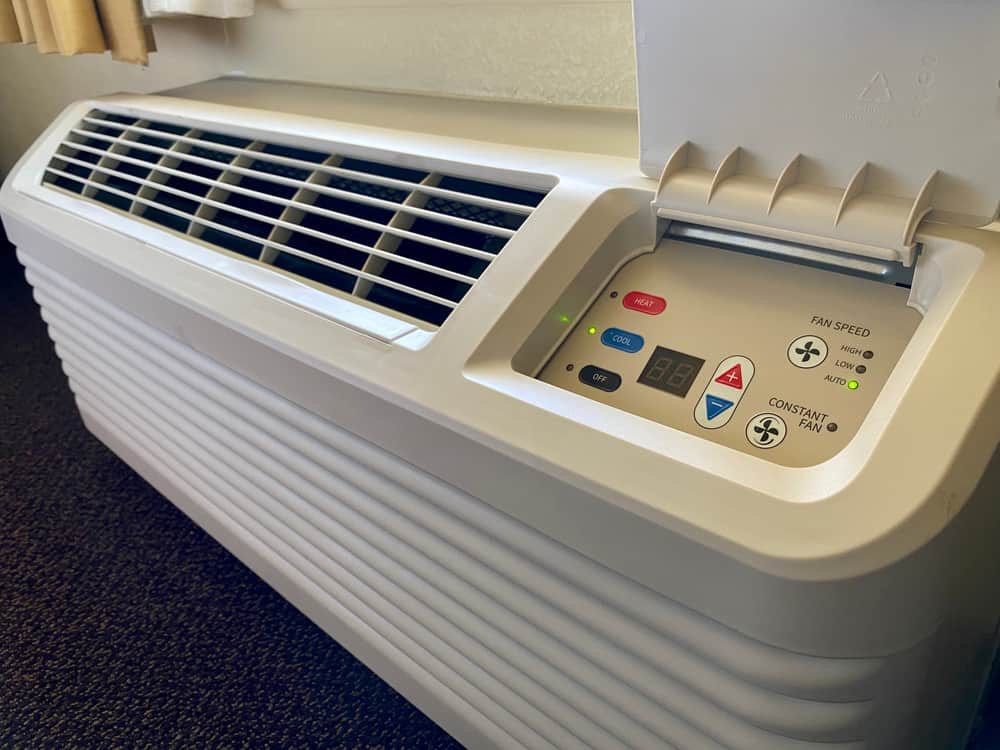
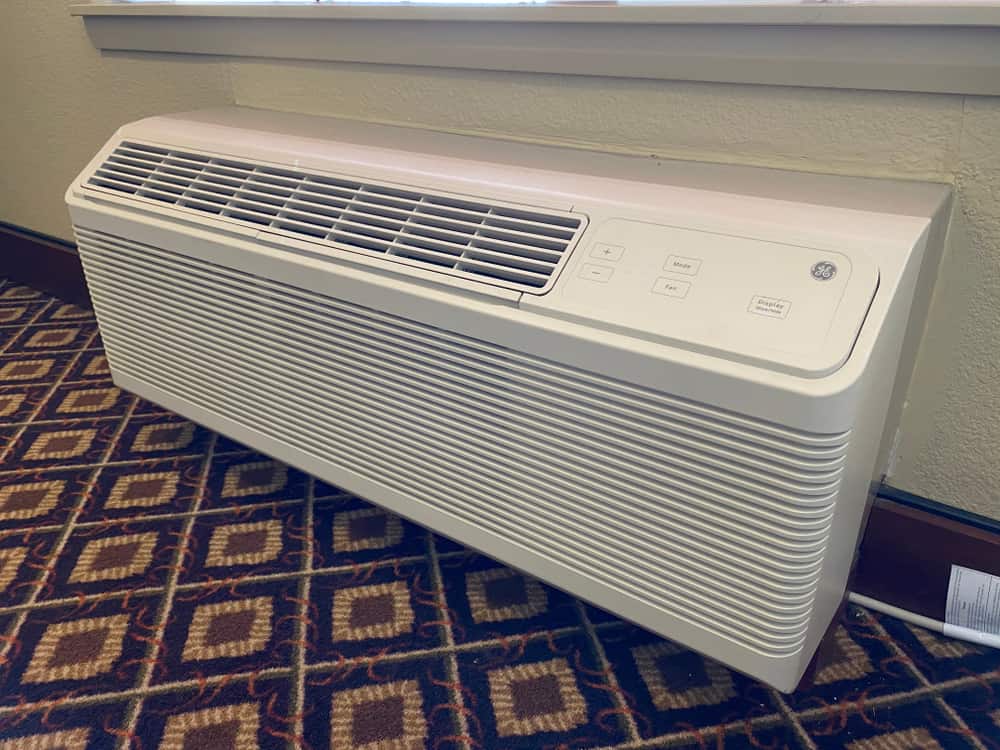
A PTAC (packaged terminal air conditioner) is a self-contained heating and cooling unit that sits in a sleeve built into your exterior wall. The whole system lives in one box: the compressor, the coil, and the fan. That is why you see them in virtually every mid-century apartment building across Queens, from Woodside to Forest Hills to Long Island City. They were designed for this kind of housing stock.
A ductless mini split splits the system in two: a compact indoor air handler mounted on your wall, connected by refrigerant lines to an outdoor compressor unit. The indoor unit is quieter and sleeker. But getting that outdoor unit placed on a roof, a facade, or a rear yard is where things get complicated in a dense borough like Queens.
Why The NYC Permit Reality Changes Everything
Here is what most comparison articles skip entirely: in New York City, installing a mini split is not just an HVAC decision, as it is a permitting and approval process. Because refrigerant lines have to cross through your walls to connect the indoor and outdoor units, the NYC Department of Buildings classifies it as a mechanical filing. That means a permit is required even if the system is under three tons. You are looking at an average approval timeline of eight to twelve weeks through the DOB, and that is before any installation work begins.
Replacing a PTAC in an existing wall sleeve is a different story. In most cases, it is a like-for-like swap: same sleeve, same voltage, same footprint. No permit is required. A qualified contractor can have a new unit installed and running in a single visit. For a Queens property manager trying to turn around a unit before summer, or a building owner who does not want to coordinate with architects and filing agents, that difference matters enormously.
Then there is the co-op question. A significant portion of Queens apartment stock, particularly the 1920s and 1930s garden cooperatives in Jackson Heights, is governed by co-op boards regulating exterior modifications. A mini split condenser on the facade or roof is an exterior modification. Boards frequently require architectural drawings, engineering sign-offs, and formal approval before any work can begin. Some deny the request outright. A PTAC replacement in an existing sleeve typically does not trigger board review at all.
If your building is in a landmarked district, as portions of Jackson Heights and Richmond Hill fall under NYC Landmarks Preservation Commission oversight, the condenser from a mini split cannot be visible from the street. That is an LPC requirement, not just a preference. In practice, it makes mini split installation in many Queens landmarked buildings difficult or impossible without significant additional work.
None of this means mini splits are the wrong choice. But it does mean the decision is never as simple as determining which system is more efficient.
PTAC vs Mini Split Cost In NYC: What The Numbers Look Like
National cost comparisons are almost useless for Queens residents. NYC labor rates, building logistics, permit fees, and the complexity of working in dense multi-unit buildings push installation costs well above what you will see quoted on any general HVAC website.
For a PTAC installation in NYC, a new unit typically runs $1,750 to $3,200 installed. A retrofit, meaning replacing an existing unit in an existing sleeve, generally falls between $2,050 and $3,600, depending on the unit and the building. That is for a complete heating and cooling solution installed in a day with no permit process.
A single-zone mini split installation in New York City typically starts around $3,000 and can reach $9,000 or more depending on the building configuration and what is involved in placing the outdoor unit. Multi-zone systems climb higher from there. The NYC premium is real, with installation costs running roughly 30 to 60 percent above national averages, driven by higher labor rates, building access logistics, and the coordination required across multiple trades.
One Brooklyn apartment owner replaced four PTACs with a mini split system in 2024 and spent close to $40,000 total. They were candid afterward: they would probably never make the money back on electricity cost savings. Their reasons for switching were noise and temperature consistency, which are legitimate reasons, but they went in clear-eyed about the ROI. That is the version of this conversation worth having before you commit.
The energy efficiency gap between the two systems is real. Mini splits use roughly 30 percent less electricity than PTACs on a comparable capacity basis, and the efficient mini split models outperform the best PTAC units on efficiency ratings. But at NYC installation costs, the payback period stretches long, often beyond ten years, and sometimes longer than the time most renters or apartment owners plan to stay in a given unit.
The Noise Problem: What Queens Residents Experience
There are situations where a mini split is the right answer for a Queens apartment or building.
If you own your apartment outright, meaning not in a co-op or renting, and your building has accessible roof or rear-yard space for a condenser, a mini split is a viable upgrade. If noise and temperature stability are priorities and you plan to stay in the unit for a long time, the higher upfront cost becomes easier to justify. New construction in Long Island City and other parts of western Queens often has modern electrical infrastructure and building configurations making mini split installation straightforward compared to older buildings.
Mini splits also make sense for spaces not designed for a thru-wall unit, such as a converted garage, a finished basement, or a room addition where cutting a standard PTAC sleeve would be structurally complicated. In those cases, the refrigerant line flexibility of a mini split is a practical advantage.
For building owners and property managers, the calculus differs. A 60-unit building in Woodside or Sunnyside running PTACs for thirty years has infrastructure built around that system: standard 42-inch wall sleeves, matched electrical connections, and a service history with known parts and labor costs. Converting a portion of that building to mini splits means permits, board approvals, multi-trade coordination, and per-unit costs multiplying quickly. The modular simplicity of PTAC replacement (swapping out one unit at a time, on budget, without disrupting neighboring tenants) is a practical advantage that matters in building management.
Con Edison Clean Heat rebates and NYSERDA incentives are available for qualifying heat pump systems, offsetting some of the cost for mini split installations. It is worth checking current program availability before making a final decision.
Are New PTAC Units Quieter Than What You Have Now?
When Does A Mini Split Make Sense In A Queens Apartment?
Which System Is Right For Your NYC Apartment?
The answer depends on your building, your budget, and what is driving your dissatisfaction with your current setup. If your PTAC is aging and loud, a new unit installed correctly may solve the problem faster and for far less money than a full system change. If you have already upgraded and noise or temperature swings remain a problem, and your building allows it, a mini split may be worth the investment.
What this decision should not be based on is a national comparison chart written for suburban homeowners. Queens buildings have their own rules, history, and constraints. The right answer for a pre-war co-op in Jackson Heights is not the same as the right answer for a new build in Long Island City.
Call Lion Enterprises of New York, LLC today at 718-433-4360 to discuss your PTAC replacement or mini split options in Queens and get expert guidance tailored to your NYC building!