Summary:
October 1 isn’t just a date on the calendar for Queens building owners. It’s the start of NYC’s Heat Season, the point at which the city legally requires you to provide heat to your tenants whenever temperatures drop. Miss it with a failing unit, and you’re not just dealing with a repair bill. You’re dealing with HPD complaints, potential violations, and tenants who have every right to escalate.
This guide is for property managers and building owners in Queens who want to get ahead of that deadline rather than scrambling past it. We’ve been servicing commercial HVAC systems across NYC for more than 50 years, and we’ve seen what happens when buildings treat maintenance as an afterthought. Here’s what commercial HVAC maintenance in NYC looks like when it’s done right.
Why NYC's October 1 Heat Season Deadline Should Drive Your HVAC Schedule
Most winter readiness advice treats the heating season like a suggestion. In New York City, it isn’t. From October 1 through May 31, building owners are required by law to provide heat when outdoor temperatures fall below 55°F during the day or 40°F at night. That window is enforced by HPD, and tenants in Queens know how to use 311.
The practical implication is straightforward: your HVAC systems, especially your PTAC units, need to be evaluated, serviced, and confirmed ready before that date, not after the first cold snap hits. A system that ran fine last April has sat dormant through a long summer. Dust, debris, and wear don’t pause while the weather is warm.
What "Ready For Winter" Means For A PTAC-Heavy Building In Queens
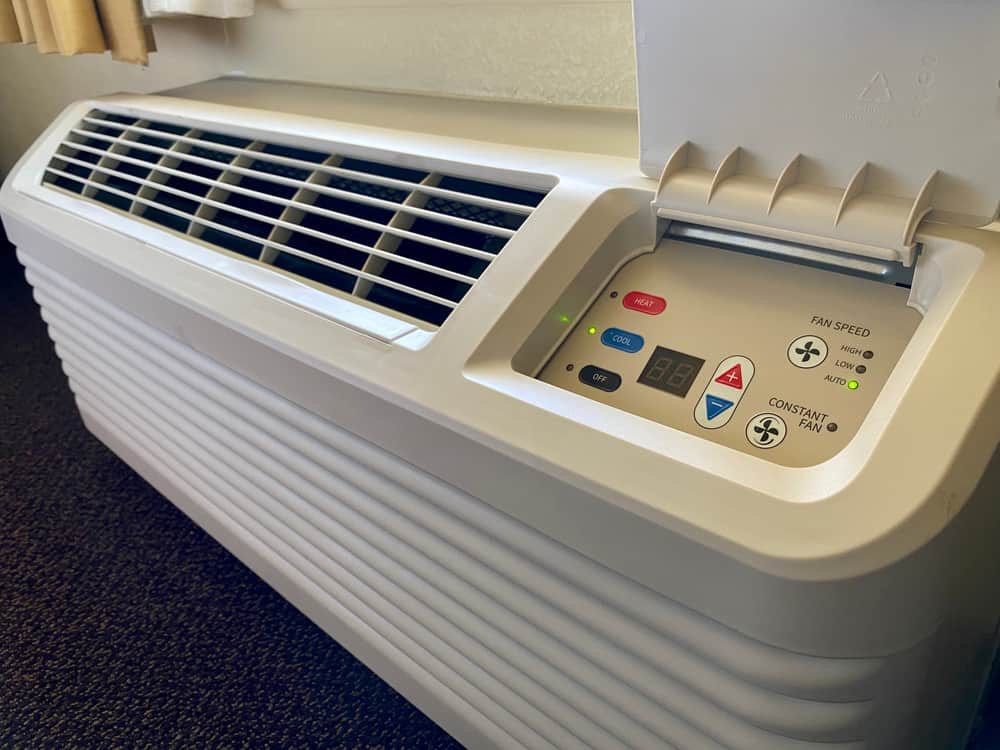
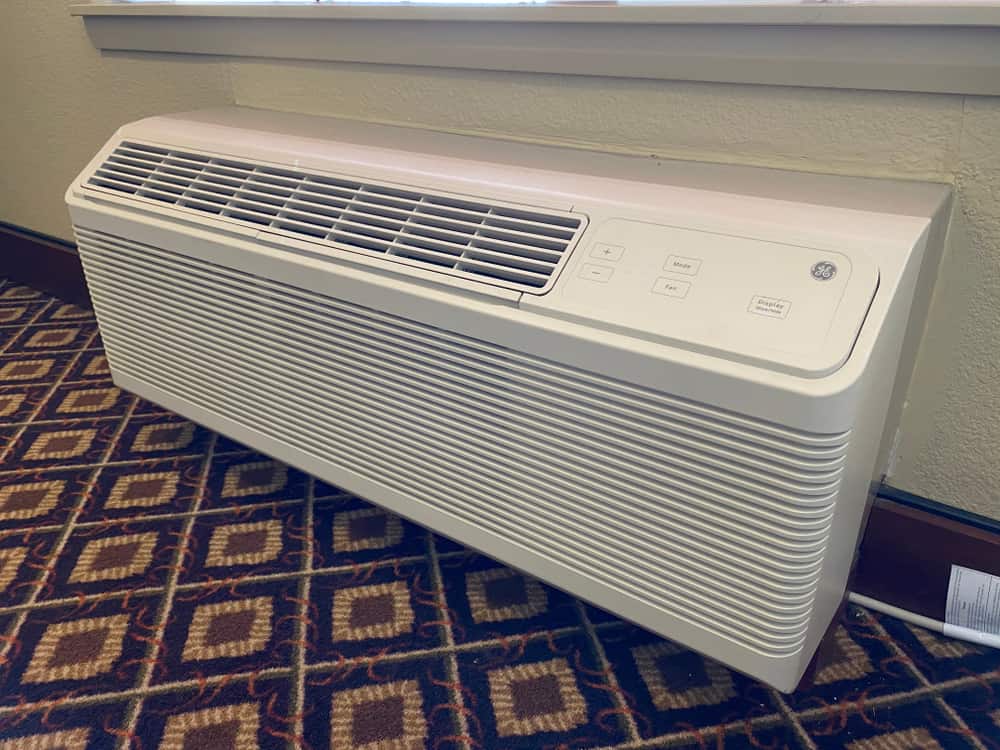
Here’s something most generic HVAC guides skip entirely: the majority of commercial buildings in Queens (mid-rise apartments in Astoria, co-ops in Forest Hills, hotels along the JFK corridor, mixed-use buildings throughout Flushing and Rego Park) don’t rely on central boilers as their primary heat source. They rely on PTAC units. These are packaged terminal systems installed in each room or unit, functioning independently and capable of failing on their own.
That distinction matters because the pre-season checklist for a PTAC-heavy building looks different from a building with central ducted systems. You’re not inspecting one boiler. You’re evaluating a fleet. A fleet of aging PTAC units, with many Queens buildings still running systems installed in the 1970s and 80s, carries a very different risk profile heading into winter.
A proper pre-season PTAC service visit isn’t just confirming the unit turns on. It involves checking heat strip performance under actual load, inspecting refrigerant levels, cleaning coils that have been pulling in Queens’ particulate-heavy air all summer, testing thermostat calibration, and identifying units showing signs of imminent failure. The goal is to know which units are at risk before your tenants find out the hard way.
Queens’ urban environment accelerates wear in ways that don’t apply in cleaner-air markets. Buildings near the Long Island Expressway or the Van Wyck Expressway deal with elevated diesel particulate in the air year-round. That loads up filters and fouls coils faster than the manufacturer’s maintenance schedule assumes. If you’re following a standard service interval designed for a suburban office park, you’re already behind.
For buildings with significant PTAC inventory, we typically recommend a minimum of two service visits per year: one before cooling season and one before heating season. High-use environments and older buildings often benefit from more. The pre-heating visit, completed in September, protects you against the October 1 deadline.
How Local Law 97 Is Changing What Building Owners Need From Their HVAC Contractor
If your building is over 25,000 square feet, you’re already inside the scope of Local Law 97, which is NYC’s carbon emissions law that began its first compliance period in 2024. Non-compliance carries penalties of $268 per metric ton of CO₂ over your building’s emissions cap, assessed annually. For buildings running significantly over their limits, that exposure compounds fast.
HVAC systems account for between 40 and 60 percent of a commercial building’s total energy consumption in NYC. Systems that haven’t been properly maintained run 15 to 25 percent below their design efficiency, meaning they’re burning more energy to deliver the same result, pushing your emissions numbers higher than they need to be. Targeted preventive maintenance, such as coil cleaning, economizer repair, filter replacement, and proper calibration, can reduce a building’s HVAC energy consumption by 12 to 22 percent. That’s a meaningful number when calculating LL97 exposure.
There’s a documentation layer here too. NYC now requires covered buildings to submit annual emissions intensity reports through the DOB’s BEAM portal. Those reports rely on accurate records of what work was done, when, and by whom. A contractor who shows up, fixes something, and leaves without written documentation doesn’t help you when reporting season arrives. Every service visit we perform is documented, providing the paper trail required for compliance audits.
This is a new pressure for Queens building owners, and it’s one that most general HVAC contractors aren’t equipped to address. Knowing how to service a system is one thing. Understanding how that service connects to your LL97 reporting obligations is another. It’s worth asking any contractor you’re considering whether they can support your compliance documentation rather than just fixing what’s broken.
What A Commercial HVAC Maintenance Plan In NYC Should Include
This is a common question from building managers, particularly those managing smaller portfolios. The hesitation comes down to cost: why pay for a contract when you can just call when something breaks?
The math answers that question quickly. Emergency HVAC repairs in NYC cost two to three times what the same repair costs under a scheduled service arrangement. A single emergency call during a January cold snap, when every HVAC contractor in Queens is booked out, runs significantly more than a pre-season service visit would have. That’s before factoring in any HPD violations or tenant escalations resulting from downtime.
Beyond the cost comparison, a service contract gives you predictability. You know when your systems will be serviced. You know what’s been checked. You know which units are showing early warning signs and can plan replacements before they become emergencies. For property managers juggling multiple buildings, multiple vendors, and a constant stream of tenant issues, that predictability has value.
There’s also the warranty angle. Most PTAC manufacturers void warranty claims if the unit hasn’t been properly maintained. If a unit fails and you can’t demonstrate a service history, you absorb that replacement cost entirely. A documented maintenance plan protects that coverage.
We’ve been doing this in New York for more than 50 years, long enough to know that buildings avoiding winter crises aren’t the ones with the newest equipment. They’re the ones whose owners treated maintenance as a calendar item rather than an emergency response.
Is An HVAC Service Contract Worth It For A Commercial Building In NYC?
How To Evaluate A Commercial HVAC Contractor In Queens
Queens has no shortage of HVAC contractors. What it lacks are contractors specializing in PTAC systems, understanding NYC’s building stock demands, and standing behind their work when something goes wrong.
The first thing to verify is licensing and insurance in writing. NYC requires HVAC contractors to hold specific licenses from the Department of Buildings, and technicians handling refrigerants must hold EPA Section 608 certification. General liability insurance and workers’ compensation coverage should be documented before any technician sets foot in your building. If a contractor can’t produce those documents on request, move on.
Beyond credentials, pay attention to pricing transparency before work begins. The consistent complaint in this industry is the gap between a quoted estimate and a billed amount. A contractor giving a verbal estimate and handing over a different number at billing isn’t worth keeping. Written quotes before work begins are a baseline standard.
Ask specifically about PTAC experience. A contractor primarily servicing central boiler systems or commercial rooftop units isn’t automatically qualified to manage a building with 40 individual through-wall PTAC units. The failure modes, service approach, and required knowledge base differ. Ask how many PTAC units they service annually and whether they’ve worked in buildings similar to yours.
Finally, ask about the guarantee. Every job we complete at Lion Enterprises of New York, LLC is backed by a one-year guarantee on the work. If a repair doesn’t hold, you shouldn’t be paying twice for it.
Getting Your Queens Building Ready Before Winter
The window between late summer and October 1 is short. By the first cold nights, every building manager in Queens makes the same calls simultaneously, and contractors with capacity book up fast.
The buildings coming through NYC winters without tenant complaints, HPD violations, or emergency repair bills aren’t lucky. They scheduled pre-season service early, used a contractor documenting the work, and treated maintenance as a fixed line item. Over time, that approach pays for itself in avoided emergencies, extended equipment life, and lower energy costs.
Call Lion Enterprises of New York, LLC today at 718-433-4360 to schedule your commercial HVAC maintenance plan and keep your Queens building fully compliant and warm all winter!