Summary:
You turn the heat on. The unit kicks in. And somehow, the bedroom is still 58 degrees. It’s not a mystery you should have to solve yourself, but between confusing repair quotes, contractors who don’t know your specific system, and the clock ticking on NYC’s heating law requirements, it’s easy to feel stuck. We’ve walked hundreds of people through exactly this situation, and the answer is almost always simpler than it feels. This guide walks you through what causes the cold rooms, what repairs cost in this market, and when waiting becomes a more expensive mistake. If you’re in Queens, Long Island City, or anywhere in Nassau County, this is written for you.
Why Your Heat Is On But Your Room Is Still Cold
This is the most common heating complaint we hear from people in Queens and Long Island City apartment buildings, and it almost never gets a straight explanation. The unit is running, the thermostat is set, but one room is freezing while another is stuffy and overheated. That’s not a building mystery. That’s a diagnosable problem, and it usually lives inside the PTAC unit itself.
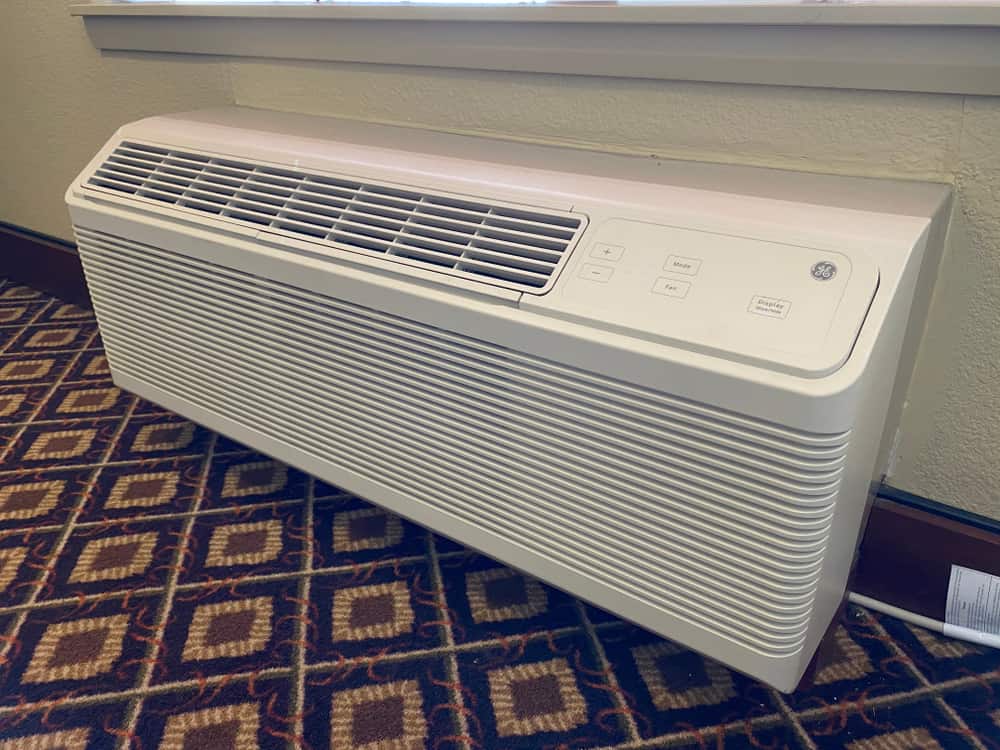
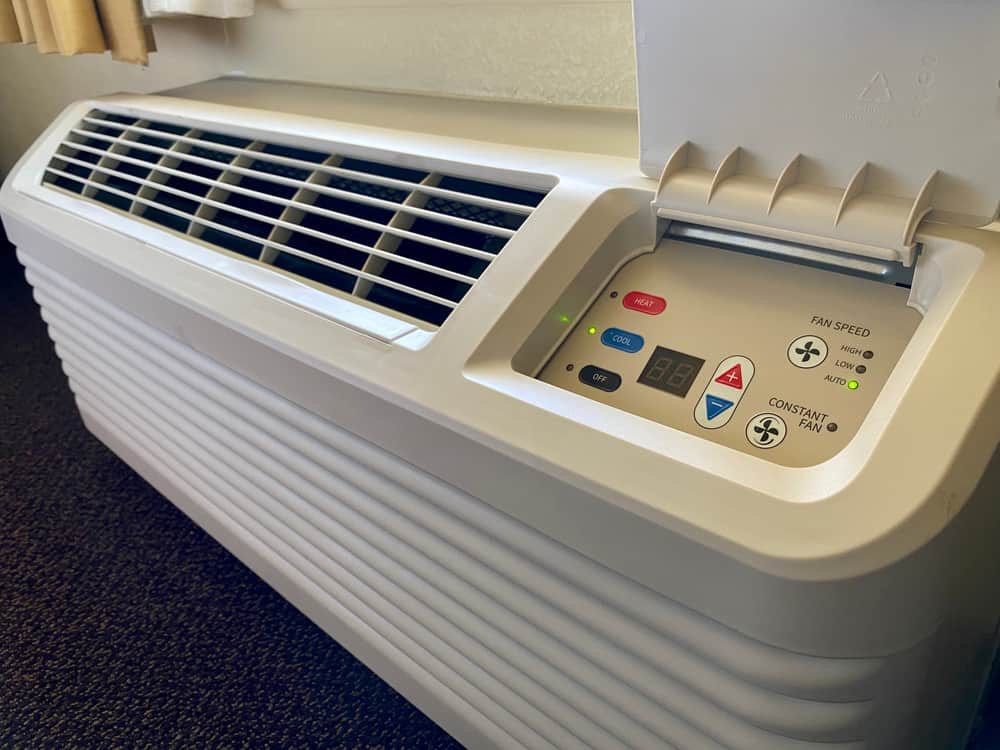
PTAC systems, meaning the packaged terminal units built into the wall of most NYC apartments and hotels, are room-specific. Each one heats and cools the space it serves. When one room stays cold, the issue is almost always with that individual unit, not the building’s entire heating infrastructure.
What Causes Uneven Heating In A Queens Or NYC Apartment
The most common culprit is dirty coils. Over a summer of running as an air conditioner, a PTAC unit accumulates dust, debris, and grime on its coils. When you switch to heating mode in the fall, those clogged coils can reduce efficiency by up to 30 percent, which means the unit is working hard but delivering far less heat than it should. You feel it as a room that never quite gets warm, even when the unit is clearly running.
Beyond dirty coils, a few other components cause this exact symptom. A failed heat strip, representing the electric heating element inside many PTAC units, will let the fan run normally while producing almost no heat at all. A malfunctioning reversing valve can prevent the system from switching out of cooling mode entirely, explaining why some units blow slightly cool air even when set to heat. A failing control board can cause erratic behavior, as the unit responds to the thermostat inconsistently or cycles on and off without completing a full heating cycle.
None of these failures are dramatic. The unit doesn’t shut off completely. It doesn’t make alarming noises. It quietly underperforms, which is why people wait too long to call. They assume the building is to blame, or that it’ll sort itself out once the weather settles. It usually doesn’t. A system that struggles in October is almost always the one that fails completely during the first hard freeze in January.
There’s also a less obvious factor specific to waterfront buildings in Long Island City and along the East River: salt air and humidity accelerate corrosion of PTAC components. Buildings standing for 20 or 30 years near the water tend to see frequent heat strip and coil failures compared to comparable buildings further inland. If you’re in one of those buildings and your unit is more than eight years old, a struggling system in early winter is worth taking seriously.
When To Call For PTAC Heating Repair vs. When To Wait
The timing question is where most people get it wrong, not because they’re careless, but because the cost of a service call feels uncertain. Nobody wants to pay a diagnostic fee just to hear that nothing’s wrong, or worse, to be told they need a full replacement when they were hoping for a simple fix.
Here’s the honest framework: if your unit produces noticeably less heat than last winter, if one room consistently stays colder than others despite the unit running, or if you’ve cleaned or replaced the filter and nothing changed, those are signs that something internal needs attention. Waiting doesn’t save money. A repair costing $150 to $500 when caught early can escalate to $500 to $1,500 or more if a failing component stresses the rest of the system.
The emergency threshold is different. In New York City, building owners are legally required to maintain indoor temperatures of at least 68°F during the day and 62°F overnight from October 1 through May 31. If your unit has stopped producing heat entirely and you’re below those thresholds, that’s not a situation to postpone, especially for building managers with tenants and potential HPD violations on the line. Emergency service carries a premium, typically $100 to $250 above standard rates, but the total cost of most emergency repairs still lands within a manageable range for common failures.
The 311 system exists for a reason. NYC received close to 22,000 heat and hot water complaints during a single cold snap period, telling you how many people are in this exact situation every winter. The difference between a building handling it quickly and one that doesn’t is usually whether someone made the call before the problem became a crisis.
What Heating Repair Costs In Queens And Nassau County
The repair-versus-replace question comes up constantly, and the answer depends on specific factors rather than a general rule. A PTAC unit has a typical lifespan of 8 to 15 years. If your unit is under ten years old and the failure is isolated to a single component (such as a heat strip, control board, or reversing valve), repair makes financial sense. You extend the life of a system with years left in it, and the repair cost is a fraction of a replacement.
If the unit is 12 or more years old and this is its second or third significant repair in recent years, the math shifts. An aging unit developing new problems draws more energy to do less work, and cumulative repair costs eventually exceed the cost of a new installation. That’s the conversation to have with a technician giving a straight answer rather than defaulting to the higher ticket price.
One thing worth knowing: Queens and Long Island City have seen residential growth over the past decade. Many PTAC units installed in newer apartment towers during that building boom are hitting their first major service interval around seven to ten years of age. These units are generally worth repairing. The older stock in 1950s and 1960s-era co-ops in Forest Hills, Astoria, and Jackson Heights is a different story, and building managers in those properties increasingly face replacement decisions rather than repair calls.
For buildings subject to NYC Local Law 97, applying to buildings over 25,000 square feet and carrying penalties of approximately $270 per metric ton of CO2 equivalent for exceeding emissions caps, a heating system replacement can also be part of a broader compliance strategy. That’s a complex conversation, but it’s increasingly relevant for large residential buildings across Queens and Nassau County.
Repair Or Replace? How To Make The Right Call On An Aging PTAC Unit
How To Find A Heating Repair Contractor On Long Island Or In Queens You Can Trust
The contractor selection question deserves a direct answer, because the NYC metro market has a wide range of operators, ranging from experienced specialists to generalists handling HVAC as a side service between plumbing and electrical calls. For PTAC systems specifically, that distinction matters more than most people realize.
PTAC units have their own components, brand-specific parts, and failure patterns. A technician primarily working on central forced-air systems or boilers may not carry the right parts, may misdiagnose the problem, or may recommend replacement when a targeted repair would have sufficed. The question to ask before booking anyone is simple: do you specifically work on PTAC systems, and do you carry parts for my unit’s brand?
Beyond specialization, the basics matter. Any legitimate contractor should be fully licensed and insured, which is a practical requirement for many NYC co-op boards and property management companies controlling building access. You should receive a written estimate before work begins, with labor, parts, and fees listed separately. And the diagnostic fee should apply toward the repair cost if you move forward.
A one-year guarantee on all work completed is worth asking about explicitly. It’s not standard across the industry, but it’s the commitment separating a company standing behind its work from one thinking about the next call. If a contractor can’t state warranty terms before starting, that’s worth noting.
Finally, local presence matters in this market. A company with a verifiable address in Queens or Long Island City and a history of working in these neighborhoods understands the building stock, system types, and access constraints that out-of-area operators miss. Local knowledge shows up in faster response times, better parts availability, and technicians who’ve seen your unit configuration before.
Getting Your Heat Fixed Right The First Time In Queens Or Long Island
Cold rooms, uncertain costs, and the pressure of NYC’s heating laws make a straightforward problem feel complicated. The core takeaways are simple: if your PTAC unit is underperforming, it’s a diagnosable and repairable issue, not a building problem or something resolving on its own. Catching it early keeps costs in the $150 to $500 range. Waiting turns it into an emergency.
When you’re ready to have someone look at it, the right contractor will give you a written estimate, apply the diagnostic fee toward the repair, and be honest about whether repair or replacement makes sense for your unit and building.
Call Lion Enterprises of New York, LLC today at 718-433-4360 to schedule your heating repair or PTAC service and keep your Long Island or Queens home warm all winter!