Summary:
Your heat just went out. It’s 2 AM, temperatures are dropping, and you’re getting calls from tenants or guests who are cold and frustrated. You need someone who answers the phone, shows up fast, and actually fixes the problem—not someone who gives you a runaround or charges double for after-hours service.
That’s the reality of heating emergencies in Nassau County. They happen at the worst possible times, and waiting until morning isn’t an option when people are uncomfortable or at risk. This is what you need to know about getting reliable emergency heating service when your system fails and time matters.
When You Actually Need Emergency Heating Service
Not every heating issue requires an emergency call. A system that’s running but not quite keeping up might wait until morning. But when your heat stops completely during a cold snap, or you’re dealing with strange smells, unusual noises, or safety concerns, that’s different.
Complete system failure in freezing weather is the most obvious emergency. If your PTAC unit, furnace, or boiler won’t turn on and outdoor temperatures are in the 20s or lower, you’re looking at a situation that can turn dangerous within hours. Older adults, young children, and anyone with health conditions are especially vulnerable to extreme cold exposure indoors.
Gas smells, burning odors, or smoke coming from your heating equipment means you shut it down immediately and call for help. These aren’t issues you troubleshoot yourself or wait on—they’re safety risks that need professional attention right away.
Emergency Furnace Service and What It Actually Covers
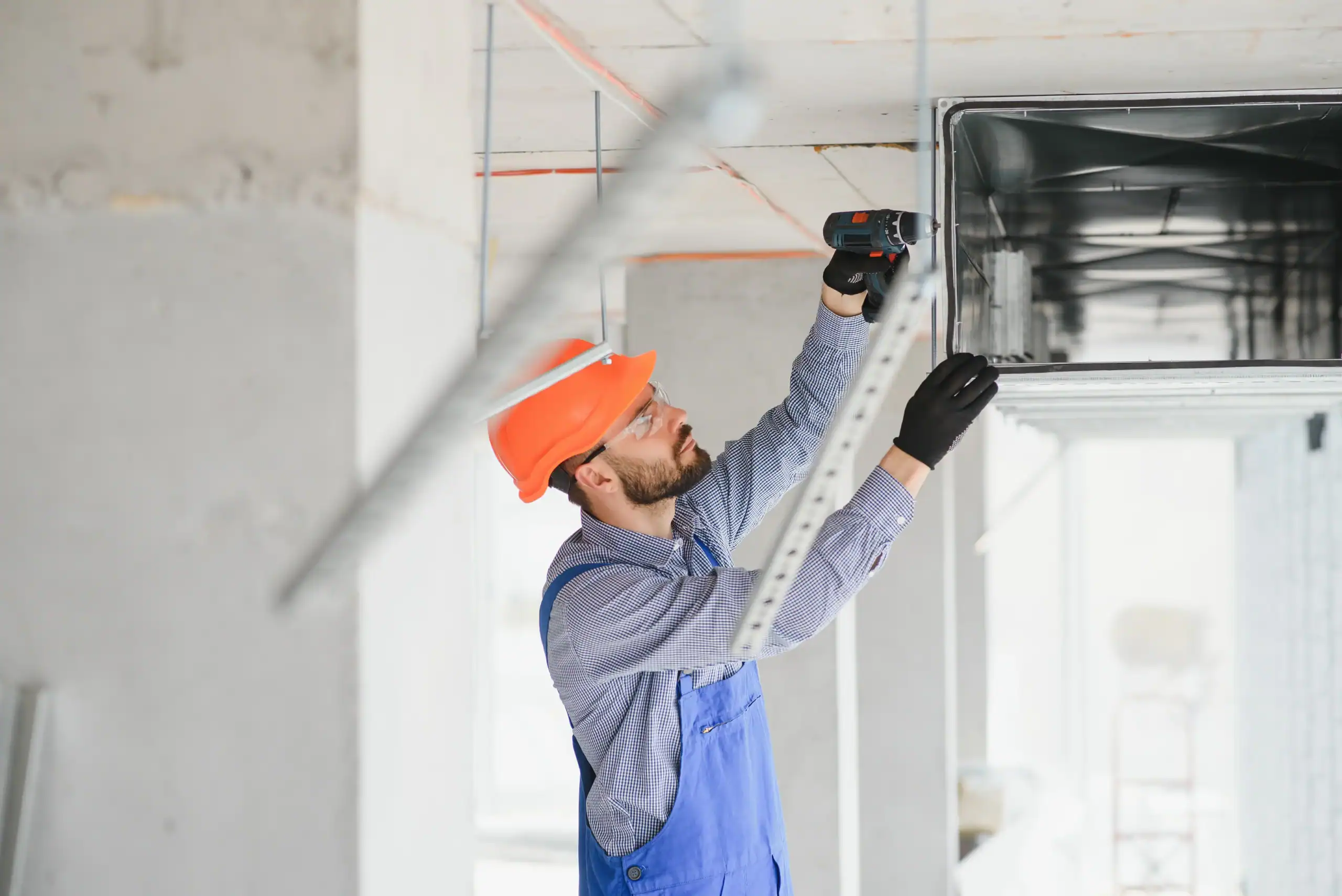
Emergency furnace service means a technician comes to your property outside of normal business hours—nights, weekends, holidays—to diagnose and repair a heating system that’s failed or presenting a safety risk. It’s not the same as routine maintenance or a repair you’ve been putting off for weeks.
The goal is to restore heat as quickly as possible, ideally on the first visit. That means the technician needs to arrive with diagnostic tools, common replacement parts, and the expertise to identify what’s wrong without multiple trips. For properties in Nassau County, where coastal salt air accelerates wear on heating equipment, technicians also need to understand how local conditions affect system performance.
Most emergency furnace service calls involve issues like failed igniters, malfunctioning thermostats, blower motor problems, or electrical failures. In PTAC units specifically, actuator failures are extremely common—these small components control whether hot water or steam flows through heating coils, and when they fail, the unit can’t produce heat even though everything else works fine. The good news is these are usually straightforward repairs that don’t require replacing your entire system.
Emergency service typically costs more than standard repairs because you’re paying for immediate availability and off-hours response. In Nassau County, after-hours rates generally add $50 to $100 to the base service cost, with total repairs ranging from $150 to $500 for common issues and $500 to $1,500 for major component replacements. Reputable companies provide upfront pricing before starting work, so you know what you’re paying without surprises on the invoice.
The difference between a good emergency service and a mediocre one comes down to response time, first-visit completion rates, and whether the repair actually lasts. Companies that stock parts on their trucks and employ technicians with specialized training—especially in PTAC systems for hotels and apartment buildings—can usually complete repairs within one to three hours of arriving on site.
Same Day HVAC Repair When Your System Fails
Same day HVAC repair is exactly what it sounds like: you call with a problem, and a technician shows up the same day to fix it. During heating emergencies, this isn’t just convenient—it’s necessary. When your building has no heat and temperatures are dropping, waiting 48 hours for an appointment isn’t realistic.
The challenge is that not every HVAC company can actually deliver same-day service when it matters most. Some book out days in advance. Others don’t have the parts inventory to complete repairs on the first visit, which means you’re left waiting for components to arrive while your system stays down. And during peak winter months, when everyone’s furnace is working overtime, demand for emergency service spikes dramatically.
Companies with true same-day capability maintain multiple service vehicles stocked with the most commonly needed parts for the brands and systems they service. For Nassau County properties with PTAC units—common in hotels, apartment buildings, and condominiums—this means carrying actuators, capacitors, thermostats, control boards, and other components that fail frequently. When a technician arrives with the right parts already on the truck, repairs that might otherwise take days can be completed in an hour or two.
Local presence makes a difference too. A company based in or near Nassau County can respond faster than one dispatched from across the city or out of state. In emergency situations where every hour without heat increases discomfort and risk, proximity matters. Technicians who know the area, understand local building types, and have experience with the specific challenges Long Island properties face—like salt air corrosion and coastal humidity—can diagnose problems more accurately and recommend solutions that actually hold up.
Same-day service also depends on when you call. If you contact a company early in the day, your chances of getting a technician out the same day are much higher than if you wait until evening. For true emergencies—complete system failure, safety concerns, or situations where vulnerable people are at risk—reputable companies prioritize those calls and dispatch technicians immediately, even outside normal business hours.
The other piece that determines whether same-day repair actually happens is technician expertise. PTAC systems, for example, have unique failure patterns that differ from traditional furnaces or boilers. A technician who specializes in PTAC repair can quickly identify whether you’re dealing with an actuator failure, a reversing valve issue, or a control board problem, and fix it efficiently. A generalist might spend hours troubleshooting the same issue or misdiagnose it entirely, turning a simple repair into a multi-day ordeal.
24 Hour Heating and Air Emergency Response in Nassau County
True 24 hour heating and air service means someone answers the phone at 3 AM, dispatches a technician immediately, and gets your system running again before sunrise. It’s not a recorded message telling you to call back during business hours or an answering service that takes your information and promises a callback tomorrow.
In Nassau County, where winter temperatures regularly drop into the 20s and wind chills can make it feel even colder, heating failures at night or on weekends aren’t just inconvenient—they’re urgent. Property managers dealing with multiple tenant complaints, hotel operators with guests threatening to leave, and homeowners with elderly family members or young children can’t afford to wait until Monday morning for help.
The companies that provide genuine 24/7 emergency response maintain on-call technicians year-round, stock service vehicles with replacement parts, and prioritize emergency calls based on severity. Complete system failures during extreme cold get immediate dispatch. Safety issues like gas smells or electrical problems get treated as critical. Less urgent issues might get scheduled for the next available slot, but you’re not left waiting days for service.
What to Expect During an Emergency Heating Service Call
When you call for emergency heating service, the first thing that should happen is a real conversation with someone who understands HVAC systems. You’ll describe what’s happening—no heat, strange noises, burning smells, whatever the issue is—and they’ll ask clarifying questions to determine urgency and potentially identify the problem before a technician even arrives.
If it’s a true emergency, dispatch happens immediately. You’ll get an estimated arrival time, usually within one to two hours for urgent calls in Nassau County. The technician should contact you en route to confirm they’re on the way and give you a more precise arrival window.
When the technician arrives, they’ll assess your system, run diagnostics, and identify what’s causing the failure. For PTAC units, this might involve checking refrigerant levels, testing electrical connections, inspecting the actuator and control mechanisms, and examining airflow. For furnaces and boilers, they’ll look at igniters, thermostats, blower motors, heat exchangers, and other critical components.
Before starting any repair work, you should receive a clear explanation of what’s wrong and what it will cost to fix. Reputable companies provide written estimates that break down parts and labor, so there are no surprises when you get the bill. If the repair cost seems high or you’re not sure whether it makes sense to fix versus replace, a good technician will walk you through your options honestly.
Once you approve the repair, the technician gets to work. Most common emergency repairs—replacing a failed actuator, swapping out a capacitor, fixing a thermostat issue—can be completed in one to two hours if the technician has the parts on hand. More complex problems might take longer, but you should get regular updates on progress and any complications that arise.
After the repair is complete, the technician should test your system thoroughly to confirm it’s working properly. For heating systems, that means verifying that warm air is flowing, temperatures are reaching the set point, and everything cycles on and off correctly. You should also receive information about any warranty or guarantee on the work, plus recommendations for preventing future failures.
Why PTAC Expertise Matters for Nassau County Properties
PTAC units are everywhere in Nassau County—hotels, apartment buildings, condominiums, senior housing, hospitals. They’re self-contained systems that mount through the wall, providing individual temperature control for each room or unit. But when a PTAC fails during winter, you need a technician who actually understands these systems, not someone who primarily works on central HVAC and is guessing their way through a PTAC repair.
The most common PTAC heating failure is a bad actuator. In about 95% of cases where a PTAC won’t produce heat, this small component is the culprit. It controls whether hot water or steam can flow through the heating coils, and when it fails, your system can’t access the heat source even though everything else is functioning normally. A technician with PTAC experience knows this immediately and can replace the actuator in less than an hour. Someone unfamiliar with PTAC systems might waste time checking refrigerant, testing compressors, or recommending a full unit replacement when all you needed was a $100 part.
PTAC systems also have unique challenges in coastal environments like Nassau County. Salt air corrodes components faster than in inland areas. Humidity affects drainage and can lead to mold buildup if units aren’t maintained properly. And because PTACs are through-wall installations, issues with the sleeve, exterior sealing, or drainage can cause problems that don’t exist with traditional furnaces or boilers.
Property managers and building owners who rely on PTAC systems need technicians who carry PTAC-specific parts, understand the common failure patterns, and can service all the major brands—Amana, Friedrich, GE Zoneline, Ice Air, Islandaire, and others. Generic HVAC companies often don’t stock PTAC components, which means even simple repairs turn into multi-day waits while parts are ordered.
At Lion-Air Enterprises, we’re the parent company of three PTAC industry leaders—Accumtemp, Lion-Aire, and Spectrum—with over 50 years of specialized experience. We’re not a company that dabbles in PTAC repair as a side service. We’ve built our entire business around these systems, understand how they work, know what fails and why, and can fix problems efficiently without the guesswork that comes from lack of experience.
For Nassau County properties with PTAC systems, working with specialists means faster repairs, accurate diagnostics, and solutions that actually last. It also means working with technicians who understand the specific demands of hotels, apartment buildings, and commercial properties where downtime affects revenue, tenant satisfaction, and regulatory compliance.
Getting Reliable Emergency Heating Service When It Matters
When your heating system fails in the middle of winter, you need someone who answers the phone, shows up fast, and fixes the problem right. Not someone who makes promises they can’t keep or charges double for after-hours service without delivering results.
The difference between a good emergency heating service and one that leaves you frustrated comes down to expertise, response time, and whether the repair actually holds up. Companies with specialized knowledge—especially in PTAC systems for Nassau County’s hotels, apartment buildings, and commercial properties—can diagnose problems accurately and complete repairs on the first visit.
If you’re dealing with a heating emergency right now, or you want to know who to call when your system inevitably fails at the worst possible time, Lion-Air Enterprises provides 24 hour emergency heating service across Nassau County and the tri-state area. With over 50 years of PTAC expertise, fully licensed and insured technicians, and a one-year guarantee on all work, we’re the team property managers and building owners call when heat failure isn’t something that can wait until tomorrow.