
PTAC Repair in Uptown, NY
Your PTAC Fixed Right Today
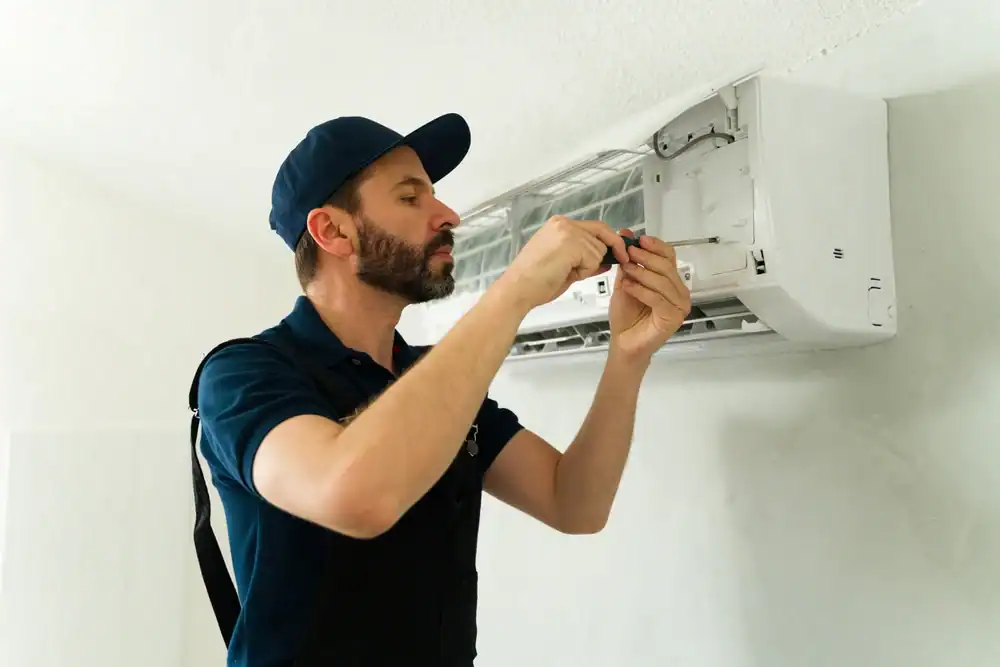
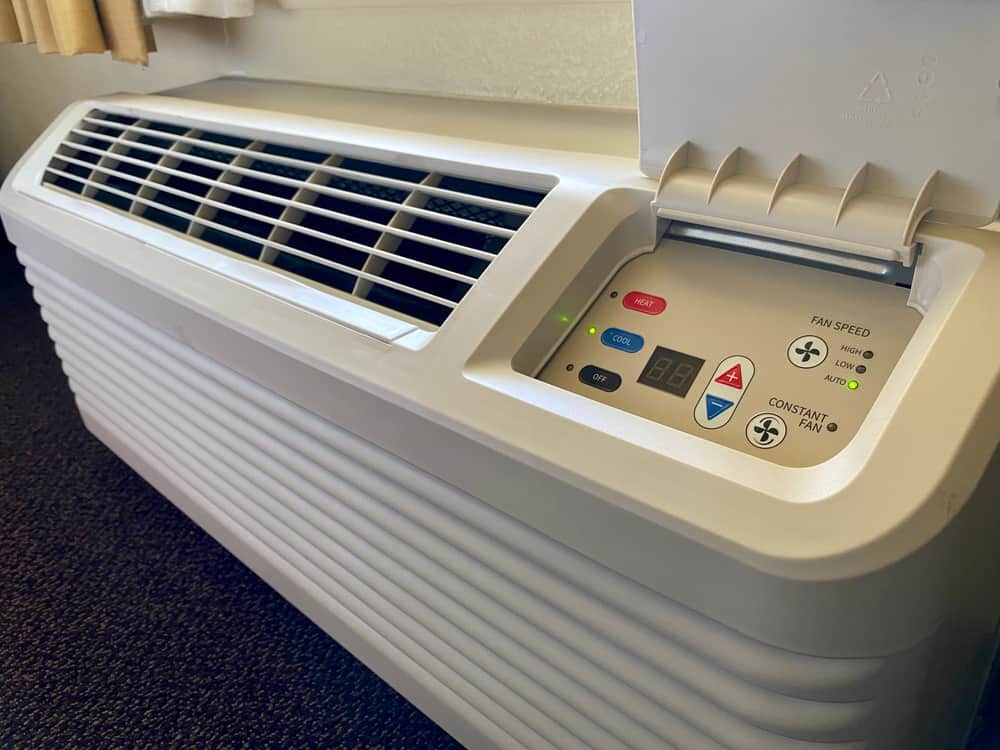
Professional PTAC Service Uptown
Your PTAC unit stops making that grinding noise. The air flows strong and cold again. Your energy bill drops back to normal instead of climbing every month.
That’s what happens when the repair is done right the first time. No more emergency calls during heat waves. No more tenants complaining about inconsistent temperatures. No more wondering if that strange sound means you’re about to face a massive repair bill.
You get reliable climate control that works when you need it most. Your building stays comfortable year-round, and your maintenance budget stays predictable.
Uptown PTAC Repair Experts
We’ve been keeping Uptown properties comfortable since before most PTAC companies existed. We’ve seen every problem these units can develop, from the simple fixes to the complex failures that leave other technicians scratching their heads.
Uptown’s mix of historic buildings and modern developments creates unique PTAC challenges. Older buildings with settling foundations affect drainage. High-rise structures deal with wind pressure issues. Dense urban environment means constant debris and air quality problems.
We know these local conditions because we’ve been working in them for decades. Our technicians understand how Uptown’s building types, weather patterns, and infrastructure affect PTAC performance.
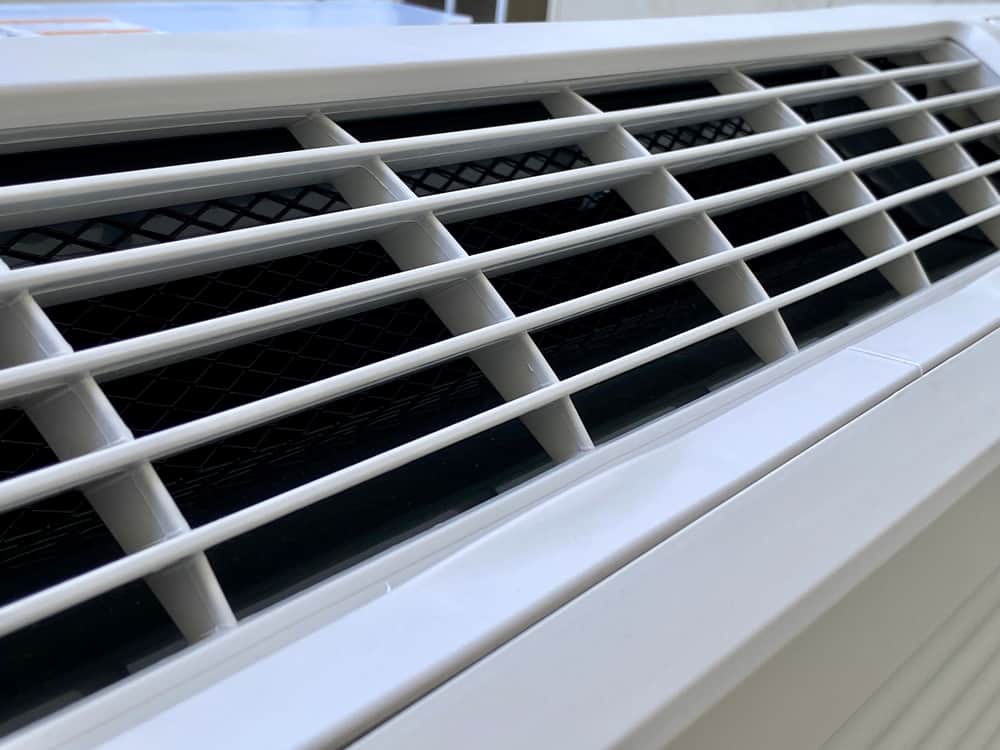
PTAC Repair Process Uptown
We start with an honest assessment. Our technician examines your PTAC unit, explains what’s wrong, and gives you a clear price before any work begins. No hidden fees, no surprise charges after we’re done.
The repair itself focuses on fixing the root cause, not just the obvious symptom. Weak airflow might be a dirty filter, but it could also be a failing motor or blocked drainage affecting the whole system. We check everything.
After the repair, we test the system thoroughly and show you it’s working properly. You get a one-year guarantee on our work, so you know the fix will last. We also explain what to watch for and when to call for maintenance to prevent future problems.
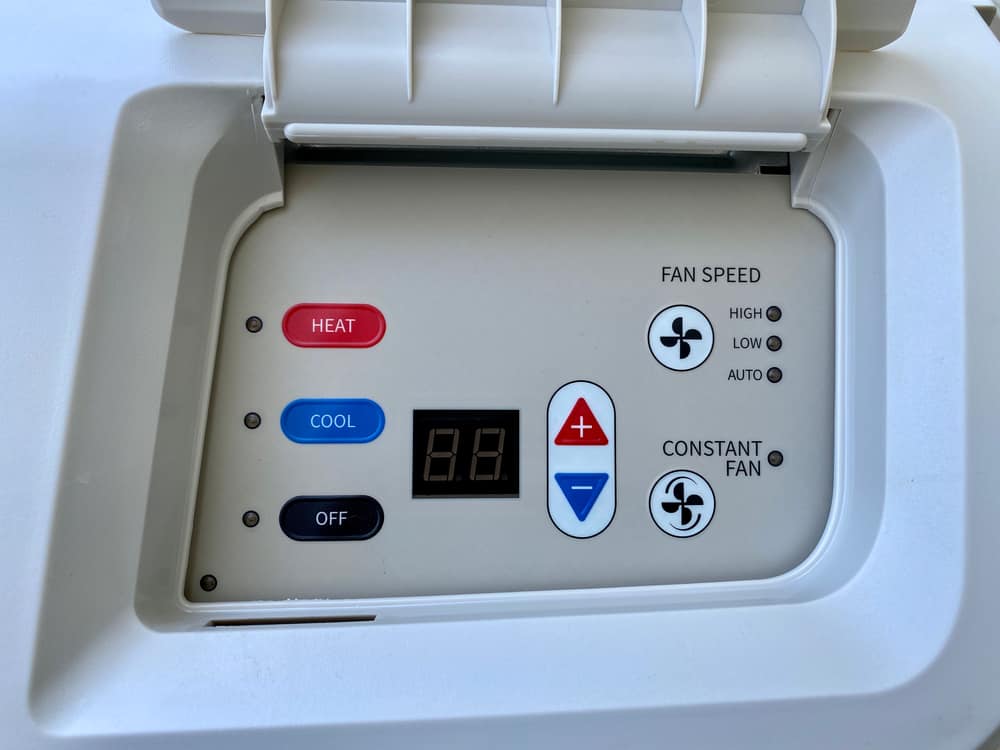
Complete PTAC Solutions Uptown
Our PTAC repair service covers every component that keeps your system running efficiently. Filter replacement and cleaning, thermostat calibration, electrical connections, drainage clearing, and refrigerant level checks. We handle emergency repairs and scheduled maintenance with the same attention to detail.
Uptown’s building density means PTAC units work harder than systems in less congested areas. Urban debris clogs filters faster. Temperature variations from building shadows and wind patterns stress components. We account for these local factors in every repair.
Emergency service is available 24/7 because PTAC failures don’t wait for business hours. Whether it’s a heat wave in July or a cold snap in January, we respond quickly to restore your comfort and prevent further damage to your system.
How much does PTAC repair typically cost in Uptown?
PTAC repair costs in Uptown vary based on the specific problem and parts needed. Simple issues like filter replacement or thermostat adjustment typically run $150-300. More complex repairs involving electrical components or refrigerant issues range from $400-800.
Major component replacements like compressors can cost $1,500-3,000, but these expensive repairs are often preventable with regular maintenance. Emergency service calls during extreme weather typically cost 2-3 times standard rates, which is why we recommend addressing problems as soon as you notice them.
We provide upfront pricing before starting any work, so you know exactly what to expect. Our one-year guarantee means you won’t pay twice for the same repair.
How quickly can you respond to emergency PTAC repairs?
We offer same-day emergency service throughout Uptown, with most calls answered within 2-4 hours during business hours. For after-hours emergencies, we typically respond within 4-6 hours, depending on weather conditions and call volume.
During extreme weather events like heat waves or blizzards, response times may extend slightly due to high demand, but we prioritize calls based on urgency and safety concerns. Elderly residents, medical needs, and complete system failures get priority scheduling.
We keep common PTAC parts in our service vehicles, so many repairs can be completed on the first visit. This saves you time and reduces the inconvenience of multiple service calls.
What are the signs my PTAC unit needs immediate repair?
Several warning signs indicate your PTAC needs immediate attention to prevent costly damage. Strange noises like grinding, squealing, or banging suggest mechanical problems that will worsen quickly. Weak airflow or inconsistent temperatures mean the system is working harder than necessary, driving up energy costs.
Water pooling around the unit indicates drainage problems that can cause electrical hazards and mold growth. Unusual odors, especially burning smells, require immediate professional attention for safety reasons. If your energy bills have increased significantly without changes in usage, your PTAC is likely operating inefficiently.
Don’t ignore these symptoms hoping they’ll resolve themselves. What starts as a minor issue can quickly escalate into a complete system failure requiring expensive emergency replacement.
Do you service all PTAC brands and models?
Yes, our technicians are trained to service all major PTAC brands including Friedrich, GE, LG, Amana, and Gree, among others. We work on both older units and current models, understanding the specific requirements and common issues for each manufacturer.
We maintain relationships with parts suppliers for both current and discontinued models, so we can often repair units that other companies would simply recommend replacing. Our 50+ years in the business means we’ve seen virtually every PTAC configuration used in NYC buildings.
For older or unusual units, we may need to order specific parts, but we’ll give you a realistic timeline and keep you informed throughout the process. Our goal is always to repair rather than replace when it makes economic sense.
How can I prevent expensive PTAC repairs?
Regular maintenance is the most effective way to prevent costly PTAC repairs. Change or clean filters monthly, especially during heavy use seasons. Keep the area around your unit clear of debris and furniture that blocks airflow.
Schedule professional maintenance twice yearly—before summer cooling season and before winter heating season. Our technicians clean coils, check refrigerant levels, inspect electrical connections, and clear drainage systems during these visits.
Address minor problems immediately rather than waiting. That strange noise or slight decrease in cooling efficiency is usually an early warning of a larger problem. Fixing issues early typically costs a fraction of emergency repairs and prevents the inconvenience of complete system failure during extreme weather.
Why do PTAC units fail more often in NYC?
NYC’s urban environment creates unique challenges for PTAC units. Constant exposure to dust, pollution, and debris clogs filters and coils faster than in suburban areas. Temperature extremes from urban heat island effects and wind tunnels between buildings stress components.
Building vibrations from traffic and construction can loosen electrical connections and affect mechanical components. Many NYC buildings have older electrical systems that create power quality issues affecting PTAC performance and lifespan.
The high-density living means PTAC units often run continuously rather than cycling on and off, which increases wear on all components. These factors combine to create more frequent repair needs, but regular professional maintenance can significantly extend equipment life despite these challenging conditions.
Other Services we provide in Uptown