
PTAC Repair in Upper West Side, NY
Your PTAC Fixed Right the First Time
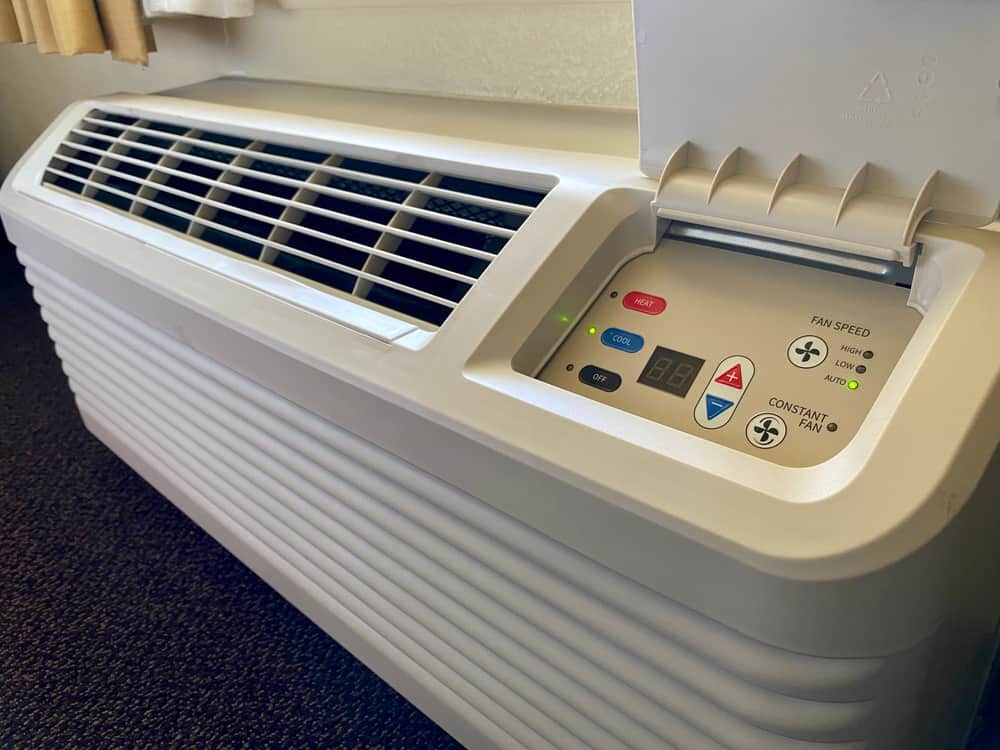
Professional PTAC Service Upper West Side
Your PTAC unit could be costing you hundreds extra each year in wasted energy. Most Upper West Side residents pay 38% more than the national average for electricity—about $286 monthly. When your through-wall unit operates inefficiently, you’re adding another $500 to $800 yearly to that total.
Professional PTAC repair isn’t just about fixing what’s broken. It’s about optimizing your system for maximum efficiency and minimum waste. Our comprehensive service typically improves efficiency by 15-25%, translating to immediate savings on your next utility bill.
You’ll notice the difference right away. Consistent temperatures, quieter operation, and energy bills that finally make sense. No more wondering if that strange noise means trouble, or why your unit struggles to heat or cool your space properly.
Upper West Side PTAC Specialists
Lion-Air Enterprises brings together three PTAC industry leaders under one roof—we’re the new king of the market. For over five decades, we’ve been keeping Upper West Side properties comfortable with reliable, efficient PTAC solutions.
We understand the unique challenges PTAC units face in Manhattan. Unlike other cities, NYC relies heavily on these through-wall systems as the standard heating and cooling method. The constant temperature swings, city dust, and heavy usage patterns create specific problems you won’t find elsewhere.
Our fully licensed and insured team has seen every PTAC issue imaginable in Upper West Side apartments and buildings. From pre-war buildings near Central Park to modern high-rises along the Hudson, we know what works and what doesn’t in this neighborhood’s demanding environment.
PTAC Repair Process Upper West Side
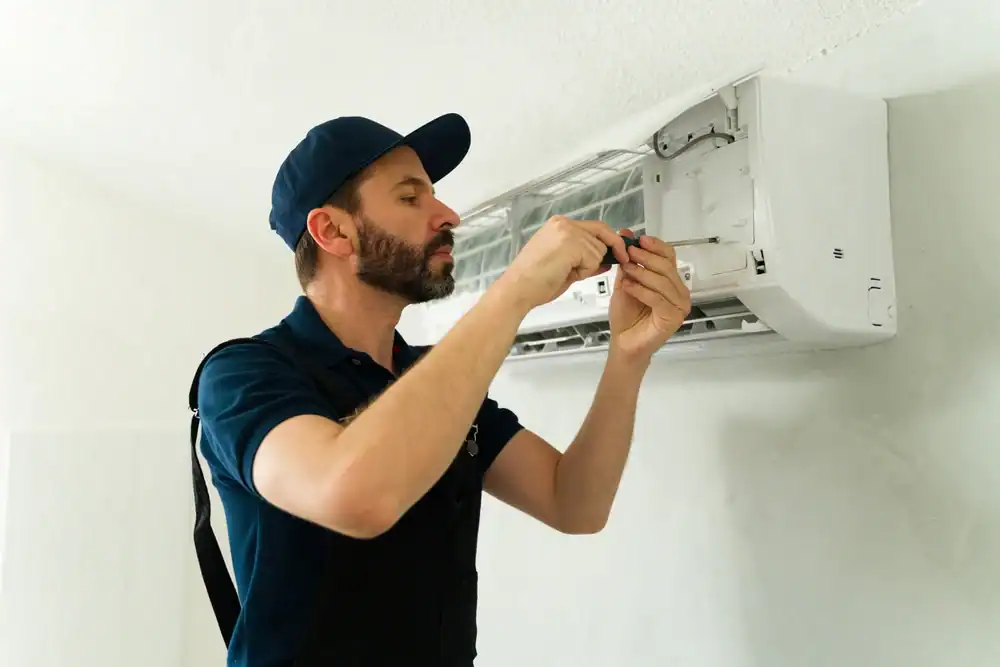
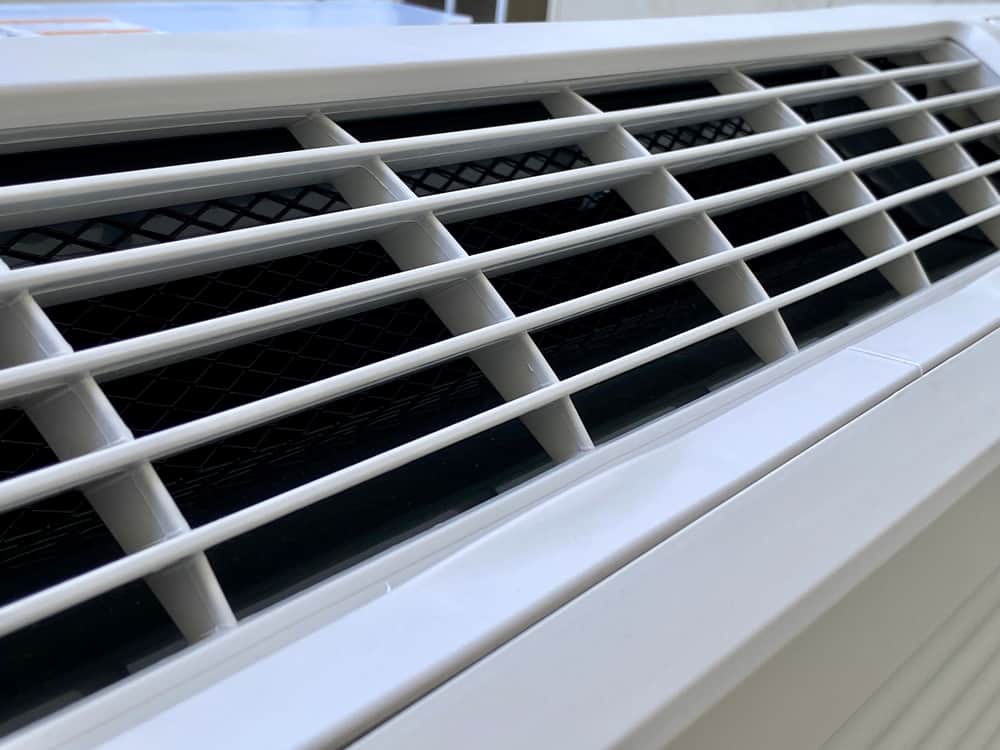
We start with an honest assessment of your PTAC unit’s condition. Our technician checks refrigerant levels, tests electrical connections, calibrates thermostats, and inspects drainage systems. You’ll know exactly what’s wrong and what it costs to fix before any work begins.
Most repairs happen on-site without removing your unit or disrupting your living space. We carry the parts needed for 90% of common PTAC issues, so there’s no waiting around for components to arrive. If something isn’t immediately available, we arrange it on a priority basis.
When we’re finished, your PTAC runs properly before we leave. Every repair comes with our one-year guarantee covering all work. If anything happens within a year from your service date, we’ll make the required repairs at no additional cost.
PTAC Maintenance Upper West Side NY
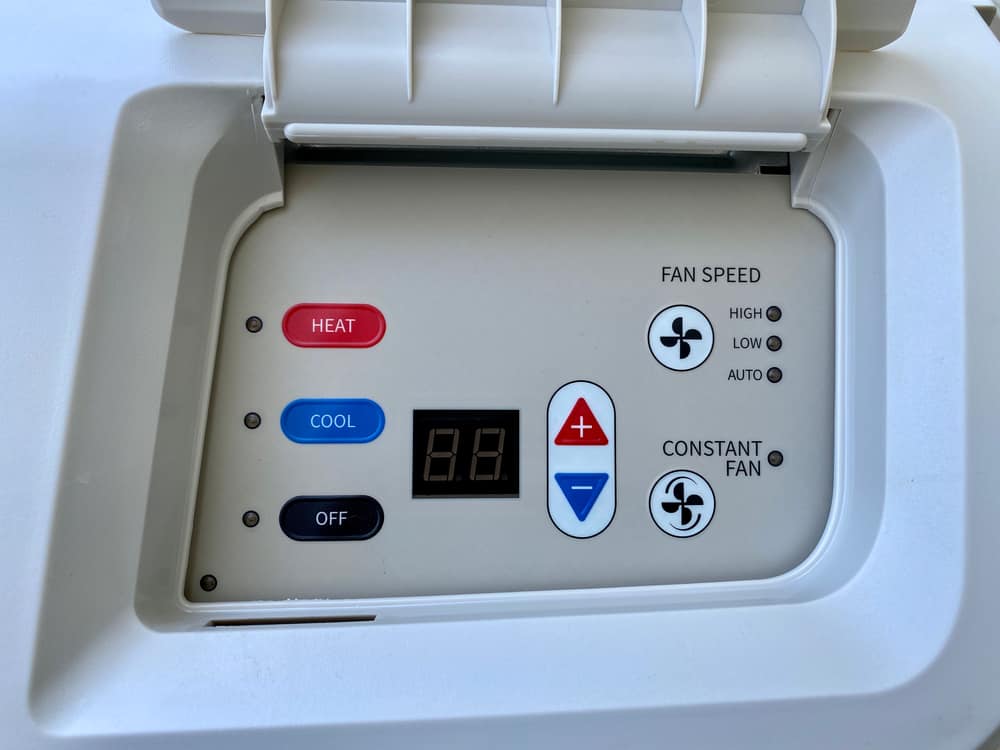
Real PTAC maintenance goes far beyond changing filters. Our comprehensive service includes electrical testing, refrigerant level checks, and deep cleaning that extends well beyond what property owners can accomplish themselves. We spot potential failures before they happen, saving you from emergency repair situations.
Upper West Side buildings face specific challenges. The neighborhood’s proximity to Central Park means more pollen and organic debris. Heavy foot traffic on nearby streets creates additional dust and particulates that clog filters faster than in suburban areas. The age range of buildings—from historic pre-war structures to modern developments—means PTAC systems operate under varying conditions.
We schedule professional maintenance twice yearly—once before summer and once before winter. This timing ensures your system is ready for peak demand seasons when failures are most inconvenient and expensive to repair. Regular maintenance extends unit life from 7-10 years to 12-15 years while keeping energy costs predictable.
Why does my PTAC stop blowing hot air in winter?
In 95% of cases, this problem comes from a small component called an actuator that controls water or steam flow through your heating coils. This device sits on the pipes connected to your PTAC unit. When it fails, hot water or steam can’t reach the coils, leaving you with cold air instead of warmth.
The frustrating part is some repair companies charge $400 to $800 for what’s essentially a straightforward fix. Before calling for service, check your thermostat settings and ensure the unit is set to heat mode. Look for obvious blockages around the unit and make sure your circuit breaker hasn’t tripped. If these basics check out, the actuator is likely your problem.
This repair doesn’t require major surgery on your unit. A qualified technician can typically handle it on-site without removing your PTAC or disrupting your living space. Don’t let winter pricing pressure you into hasty decisions—get quotes from multiple providers and ask specifically about actuator replacement costs.
How much should PTAC repair cost in Upper West Side?
Minor repairs like faulty thermostats or clogged drains typically cost $200-$300. Actuator replacement should run $150-$250 for honest companies, though some charge $400-$800 for this simple fix. Major component failures like circuit board problems or compressor malfunctions can significantly increase costs.
Emergency repairs during peak seasons cost 2-3 times normal pricing. When your unit fails during a heat wave or cold snap, you’re at the mercy of emergency service rates plus pressure to approve expensive repairs just to get comfortable again. This is why preventive maintenance makes financial sense.
The key to managing PTAC costs effectively is understanding that proper maintenance prevents most emergency situations. Investing in regular service and addressing issues promptly will always cost less than dealing with emergency replacements during peak summer or winter months.
How often should I have my PTAC serviced?
Schedule professional maintenance twice yearly—once before summer and once before winter. This timing prepares your system for peak demand seasons when failures are most inconvenient and expensive to repair. Between professional visits, check your filter monthly and clean or replace it more frequently during heavy-use seasons.
Summer and winter put extra demands on your system, which means more air movement and faster filter loading. In Upper West Side’s dusty urban environment, filters need regular attention to maintain efficiency. A dirty filter forces your system to work 40% harder, driving up energy costs and wearing out components faster.
Professional maintenance includes tasks you can’t replicate at home—electrical testing, refrigerant level checks, and deep cleaning using specialized equipment. We can identify developing problems before they cause failures, potentially saving you from expensive emergency repairs. The investment in professional maintenance typically pays for itself within a few billing cycles through improved efficiency.
What are signs my PTAC needs immediate repair?
Strange noises like banging, knocking, buzzing, or whirring louder than usual indicate mechanical problems. Grinding or scraping sounds usually point to fan or motor issues—the fan blades might be hitting something, or motor bearings could be wearing out. Don’t ignore these warning signs as they typically worsen quickly.
Water dripping from the interior part of your unit or excessive condensation buildup around the face signals a serious problem requiring immediate attention. While some exterior condensation is normal, interior leaking can cause electrical problems or property damage if left unchecked. The longer this problem persists, the worse the damage becomes.
Poor performance is another red flag. If your PTAC struggles to reach set temperatures, cycles on and off frequently, or produces weak airflow, these issues indicate the system is working harder than it should. This extra strain leads to premature component failure and higher energy bills while providing less comfort.
Can I repair my PTAC unit myself?
Some basic maintenance tasks are safe for property owners—cleaning accessible filters, checking thermostat settings, and ensuring nothing blocks airflow around the unit. However, most PTAC repairs require specialized knowledge and tools that only licensed professionals should handle.
Refrigerant issues, electrical problems, and internal component replacement need professional expertise. PTAC units operate under pressure and contain electrical components that can be dangerous without proper training. Attempting these repairs yourself often voids warranties and can create safety hazards or cause additional damage.
The smart approach combines both DIY maintenance and professional service. Handle routine tasks yourself like filter cleaning, but schedule professional maintenance annually or bi-annually depending on usage. This gives you cost savings on simple tasks while ensuring expert care for complex systems that keep your Upper West Side home comfortable year-round.
Why choose Lion-Air Enterprises for PTAC repair?
We bring together three PTAC industry leaders with over 50 years of combined experience serving Manhattan properties. Our fully licensed and insured team understands the unique challenges PTAC units face in Upper West Side buildings, from pre-war structures to modern developments.
We value results over revenue. Customers regularly tell us about our technician David who fixed problems over the phone for free, showing we prioritize solutions over sales. Every repair comes with a one-year guarantee covering all work, and we arrive on schedule with professional installation and clean service.
Our honest pricing means no $400-$800 overcharges for simple actuator repairs that other companies use to take advantage during winter emergencies. We carry parts for 90% of common issues, provide same-day service when possible, and help you avoid emergency situations through proactive maintenance that saves money long-term.
Other Services we provide in Upper West Side