
PTAC Repair in Marine Park, NY
Your PTAC Fixed Right The First Time
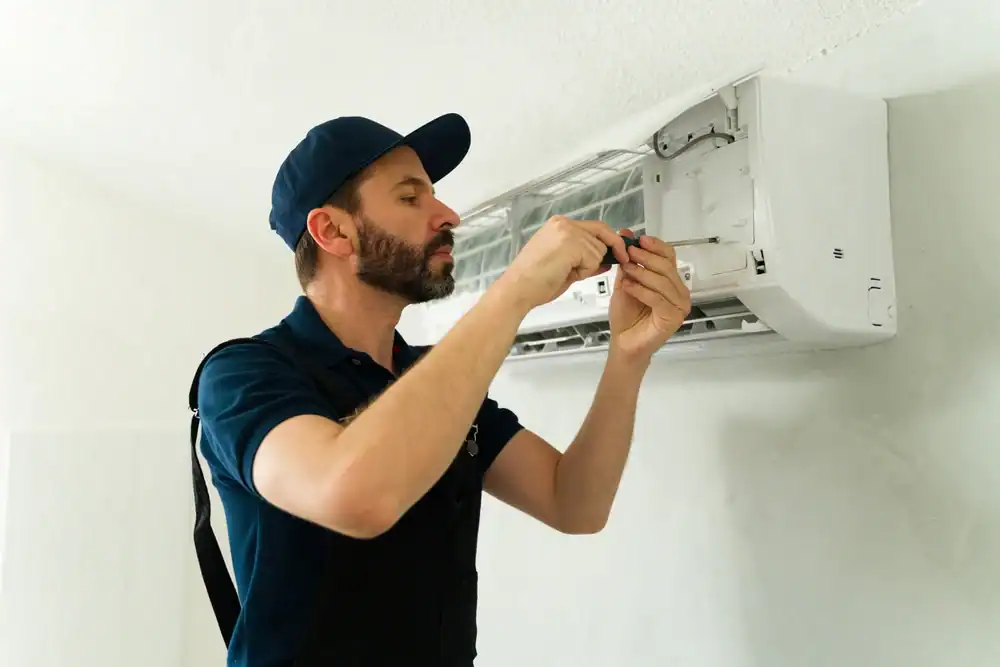
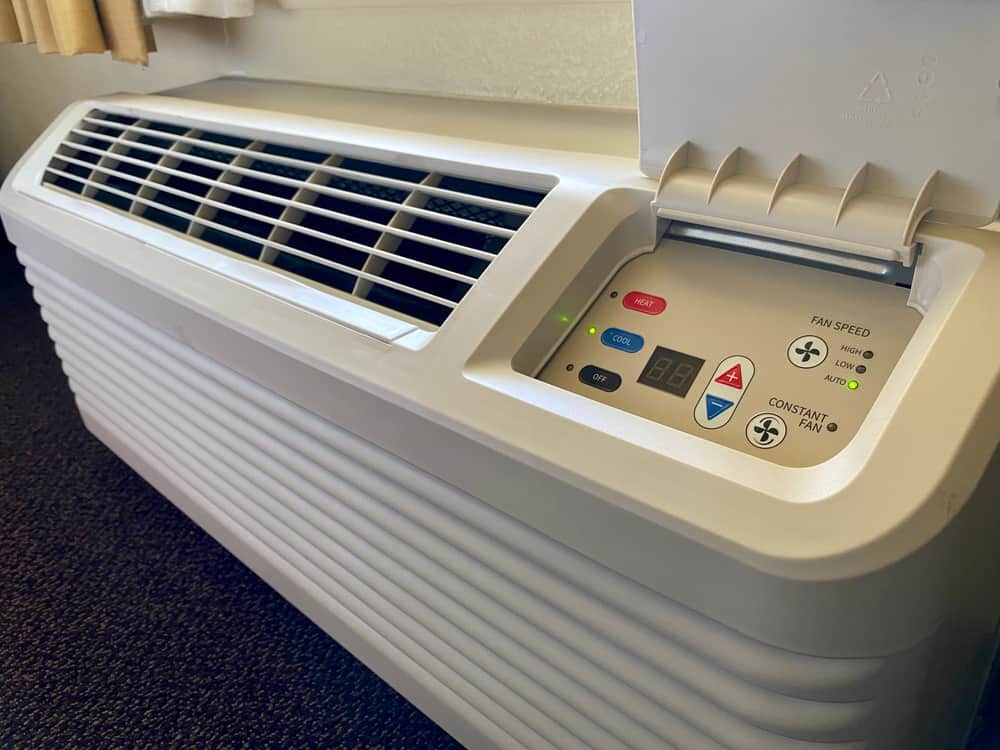
Marine Park PTAC Service Experts
When your PTAC stops working in Marine Park, you don’t have time to wait around. You need heat in winter and cool air in summer, and you need it fixed without breaking the bank.
That’s exactly what you get with Lion-Air Enterprises. We’ve been handling PTAC repairs throughout Brooklyn for over 50 years, and we know these units inside and out. Most problems? We fix them the same day with parts we carry on every truck.
Your comfort matters, and so does your budget. We’ll tell you exactly what’s wrong, what it costs to fix, and how long it’ll take. No surprises, no inflated bills for simple repairs that should cost a fraction of what some companies charge.
PTAC Repair Specialists Marine Park
Lion-Air Enterprises brings together three of the most trusted PTAC specialists in New York under one roof. We’re the result of decades of experience, thousands of satisfied customers, and a simple belief: PTAC repair should be done right the first time.
We’ve been serving Marine Park and the broader Brooklyn area for over 50 years. That means we’ve seen every PTAC problem you can imagine, and plenty you probably can’t. We know which repairs actually work and which ones just waste your money.
Marine Park’s coastal location creates unique challenges for PTAC systems. Salt air, humidity, and temperature swings that come off Jamaica Bay put extra stress on these units. Our technicians understand these local conditions and adjust our service approach accordingly.
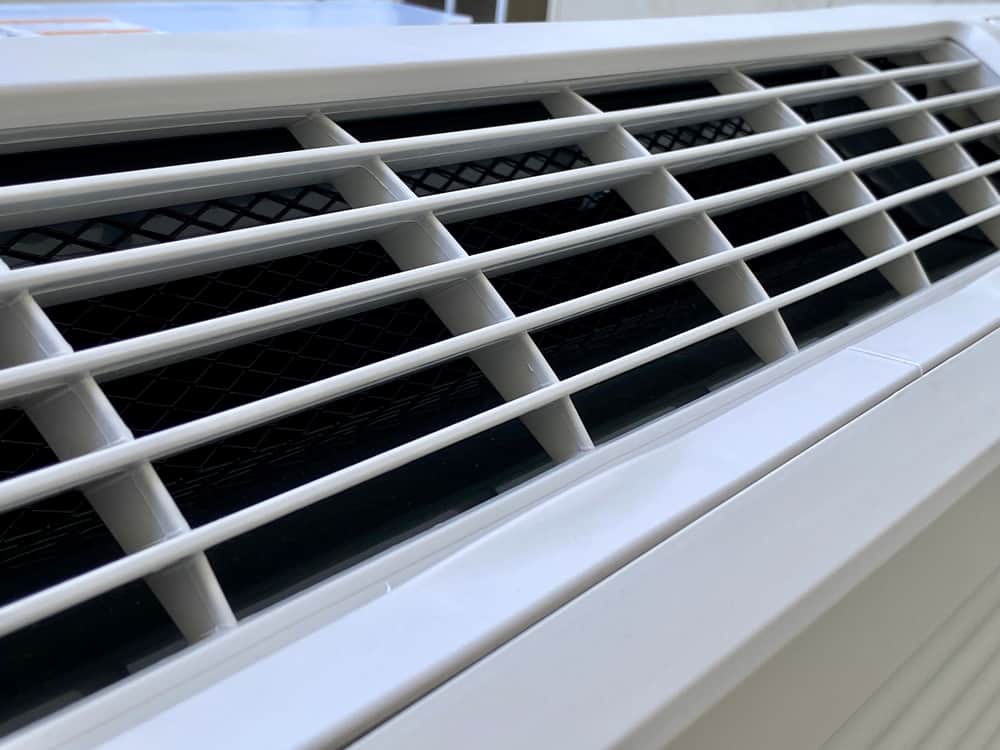
PTAC Troubleshooting Marine Park NY
First, we listen. You know your PTAC better than anyone – when it started acting up, what sounds it’s making, how it’s been performing. This information helps us diagnose the problem faster and more accurately than companies that just start taking things apart.
Next, we inspect the entire system. Not just the obvious stuff, but the components most repair companies miss. We check refrigerant levels, test electrical connections, examine the actuator (that little device that causes 95% of heating problems), and assess airflow throughout the unit.
Then we explain exactly what we found. If it’s a simple fix like a clogged filter or dirty coils, we’ll handle it right away. If it’s something more complex, we’ll walk you through your options, give you honest pricing, and let you decide what makes sense for your situation and budget. No pressure, no inflated estimates.
Finally, we test everything to make sure it’s working properly before we leave. Your PTAC should run quietly, efficiently, and reliably. If it doesn’t meet those standards after our repair, we’re not done yet.
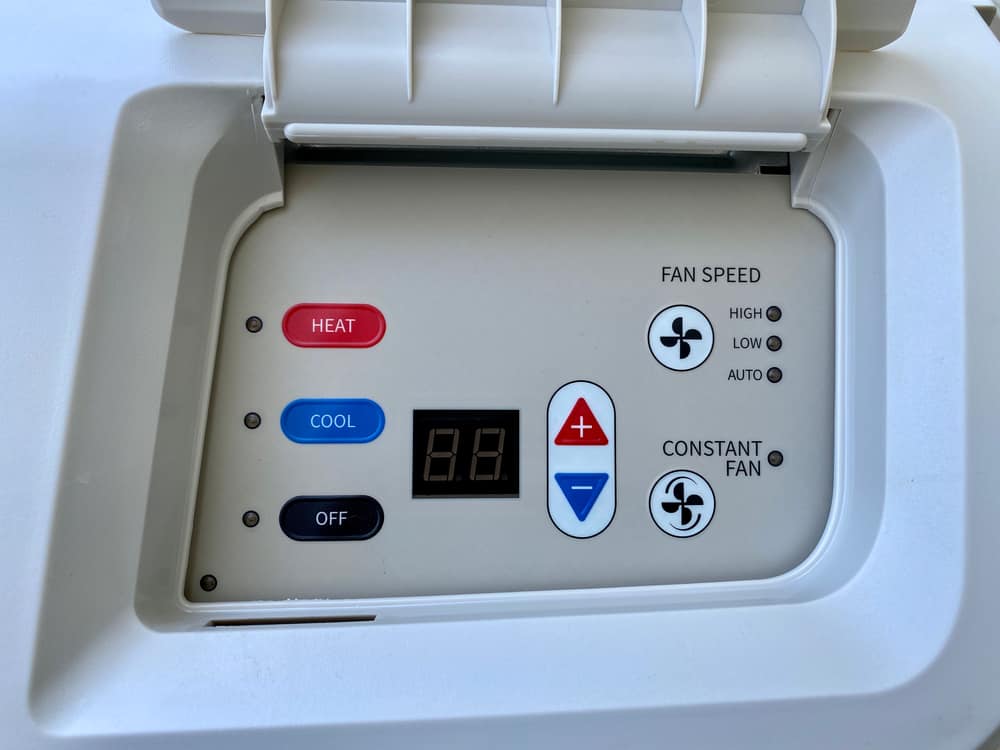
Marine Park PTAC Maintenance
Every PTAC repair includes a complete system diagnosis, not just a quick fix of the obvious problem. We clean the coils, check refrigerant levels, test electrical components, and inspect the actuator – that small but critical part that controls heating in most Marine Park PTAC units.
Marine Park’s location near Jamaica Bay means your PTAC deals with salt air, humidity, and temperature swings that can accelerate wear on key components. We understand these local challenges and adjust our service accordingly. Your unit needs different attention than one in Manhattan or Queens because of these environmental factors.
Most of our Marine Park customers are surprised to learn that 90% of PTAC problems can be resolved with parts we carry on every service truck. That means same-day repairs in most cases, not waiting days or weeks for special orders. We stock the components that fail most often in Brooklyn’s coastal climate, so you’re back to comfortable as quickly as possible.
We also offer preventive PTAC maintenance that can extend your unit’s life from the typical 8 years to 15 years or more. Regular cleaning, timely repairs, and attention to efficiency can save you thousands in premature replacement costs while keeping your energy bills manageable throughout Marine Park’s varying seasons.
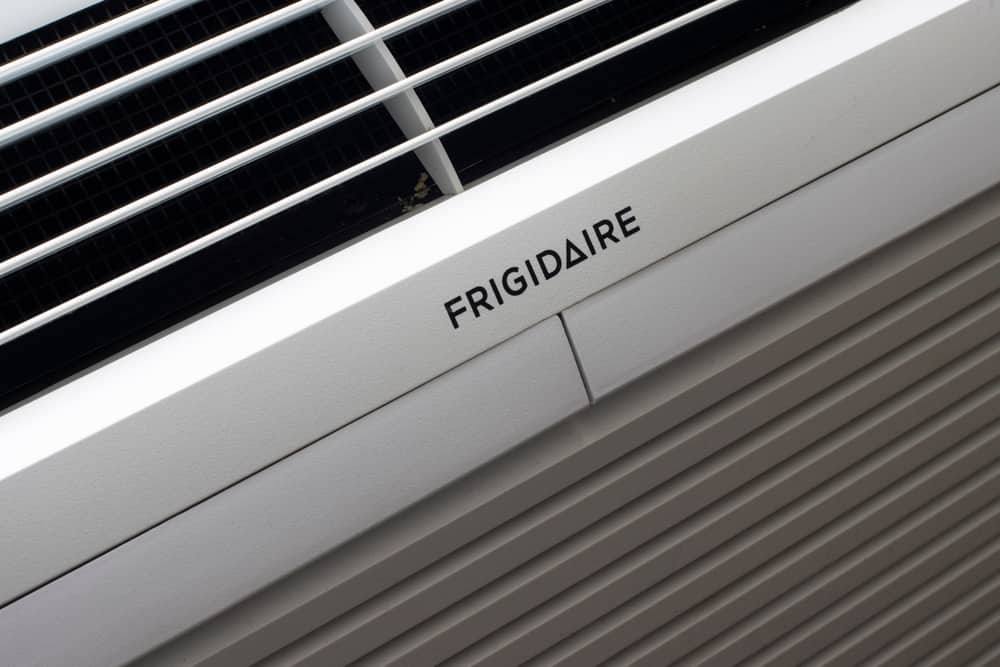
Why isn't my PTAC blowing hot air in winter?
In 95% of cases, this problem comes down to a small component called an actuator that sits on the pipes connected to your PTAC unit. When this device fails, hot water or steam can’t flow through the heating coils, leaving you with cold air instead of the warmth you need during Marine Park’s cold winters.
The frustrating part is that some companies charge $400 to $800 for what’s essentially a straightforward repair. Before calling for service, check your thermostat settings and make sure the unit is set to heat mode. Look for obvious blockages around the unit and verify your circuit breaker hasn’t tripped.
If those basics check out, the actuator is likely your problem. This repair doesn’t require major work on your unit, and it shouldn’t cost you hundreds of dollars. A qualified PTAC technician can typically handle this fix in under an hour with the right replacement part.
How often should I have my PTAC serviced?
Annual PTAC maintenance is ideal for most units in Marine Park, though units that run year-round or are in high-use commercial settings might benefit from twice-yearly service. Regular maintenance isn’t just about preventing breakdowns – it’s about efficiency and longevity.
During a proper PTAC service visit, we clean the coils, check refrigerant levels, inspect electrical connections, test the actuator, and ensure proper airflow. This process can improve your unit’s efficiency by 20% or more while extending its lifespan significantly.
Marine Park’s coastal environment is particularly tough on PTAC units. Salt air, humidity, and temperature fluctuations accelerate wear on key components. Regular maintenance helps your system handle these challenges better and identifies potential problems before they become expensive emergency repairs.
What are the signs my PTAC needs immediate repair?
Strange noises are usually the first warning sign that your PTAC needs attention. If your unit is making sounds you’ve never heard before – grinding, rattling, buzzing, or unusually loud whirring – something is wrong. These noises often indicate loose parts, motor problems, or failing components that need immediate attention.
Water leaks are another red flag, especially if water is dripping from the interior portion of the unit or pooling around the base. This can indicate drainage problems, refrigerant leaks, or condensation issues that can damage your Marine Park property and create electrical hazards if left unchecked.
Poor temperature control is also a clear indicator that PTAC troubleshooting is needed. If your unit struggles to reach the set temperature, cycles on and off frequently, or produces weak airflow even on high settings, it’s working harder than it should. This inefficiency wastes energy and accelerates wear on the entire system.
Can I repair my PTAC myself or should I call professionals?
Basic PTAC maintenance like cleaning or replacing air filters, clearing debris from around the unit, and checking thermostat settings are safe DIY tasks. These simple steps can resolve minor issues and help prevent bigger problems from developing.
However, anything involving refrigerant, electrical components, or internal mechanical parts requires professional PTAC repair expertise. PTAC systems contain pressurized refrigerant and complex electrical circuits that can be dangerous to work with. Improper repairs can also void warranties and create safety hazards.
We have the specialized tools, training, and experience to diagnose problems accurately and fix them safely. We also carry the right replacement parts and can identify related issues you might miss. When it comes to your comfort and safety in Marine Park, professional PTAC service is worth the investment.
How much should PTAC repair cost in Marine Park?
Honest PTAC repair pricing depends on the specific problem, but simple issues like actuator replacement, filter changes, or coil cleaning shouldn’t cost hundreds of dollars. Basic repairs typically range from $100 to $300, while more complex issues involving compressors or major electrical work can cost more.
Be wary of companies that quote extremely high prices for common PTAC problems. For example, actuator replacement – which fixes 95% of heating issues – is a straightforward repair that some companies overcharge for dramatically. Always ask for a clear explanation of what’s wrong and what the repair involves.
We provide upfront pricing, explain exactly what needs to be done, and give you options when possible. We’ll also tell you if a repair doesn’t make financial sense compared to replacement. We want long-term customers, not one-time overcharges.
How long do PTAC units typically last in Marine Park?
With proper maintenance, PTAC units can last 15 years or more in Marine Park’s climate. However, neglected units often fail after just 8 years, especially given the challenging coastal conditions with salt air and humidity that accelerate component wear.
The key factors affecting lifespan include regular PTAC maintenance, prompt repairs when problems arise, and proper installation. Units that receive annual service, have filters changed regularly, and get timely attention for unusual noises or performance issues consistently outlast those that are ignored until they break down.
Marine Park’s environment near Jamaica Bay is particularly demanding on PTAC systems. The combination of salt air, temperature swings, and humidity means these units work harder than those in other areas. Regular professional maintenance helps your system handle these challenges and reach its full lifespan potential while operating efficiently.
Other Services we provide in Marine Park