
PTAC Repair in Kew Gardens Hill
Your PTAC Fixed Right Today
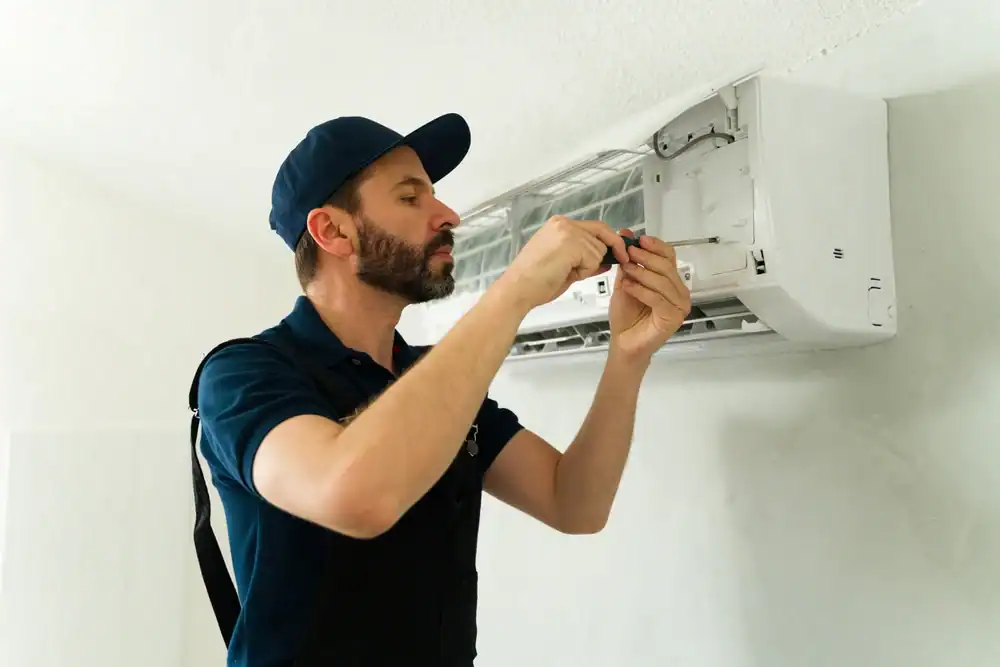
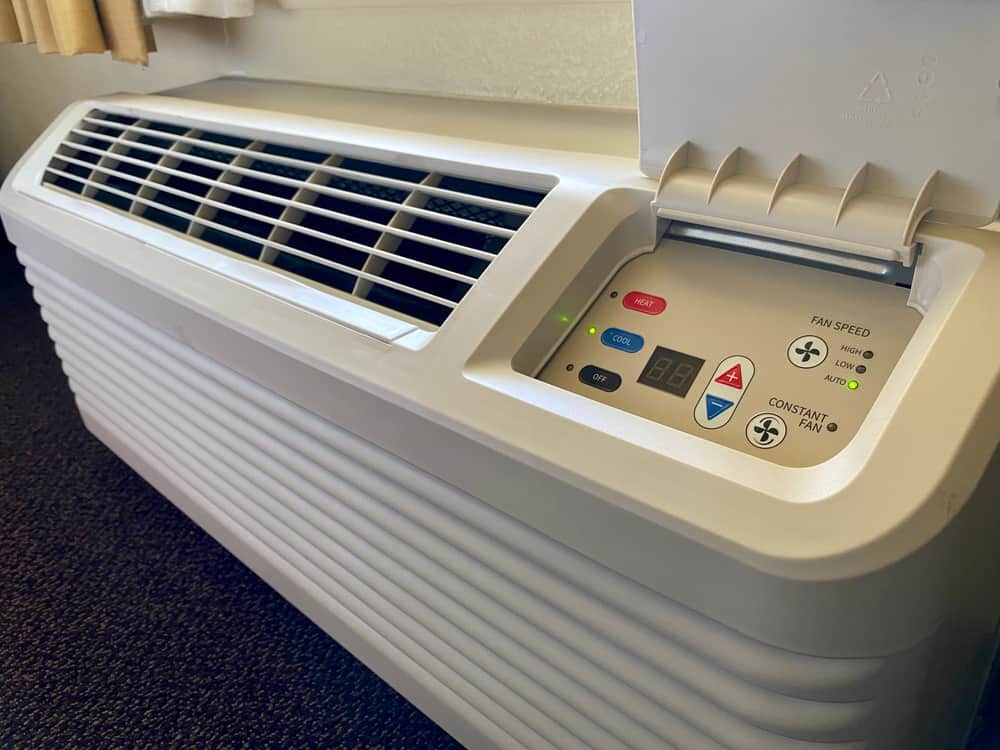
Professional PTAC Service Kew Gardens Hill
When your PTAC unit stops working in Kew Gardens Hill, every hour matters. You’re dealing with uncomfortable tenants, rising energy bills, or guests who can’t sleep through the night.
We fix what’s actually broken, not what someone thinks might need replacing. Most PTAC problems in older Kew Gardens Hill buildings come down to a few common issues: failed actuators that cost other companies $400-$800 to fix, clogged filters making your system work 40% harder, or refrigerant leaks that quietly drain your energy efficiency.
You get your comfort back fast, your energy bills drop, and your PTAC unit runs like it should for years longer than units that get band-aid repairs.
PTAC Repair Company Kew Gardens Hill
We’ve been fixing PTAC units in Queens since most of Kew Gardens Hill’s buildings were new. We know these 1950s-era buildings and understand exactly what goes wrong with through-wall units in NYC’s demanding climate.
We’re fully licensed and insured for New York work, which isn’t optional in this city. Our technicians carry 90% of the parts needed for common repairs, so you’re not waiting days for someone to order components that should be standard inventory.
Kew Gardens Hill residents deal with enough—from parking hassles to rising housing costs. Your PTAC repair shouldn’t add to that stress.
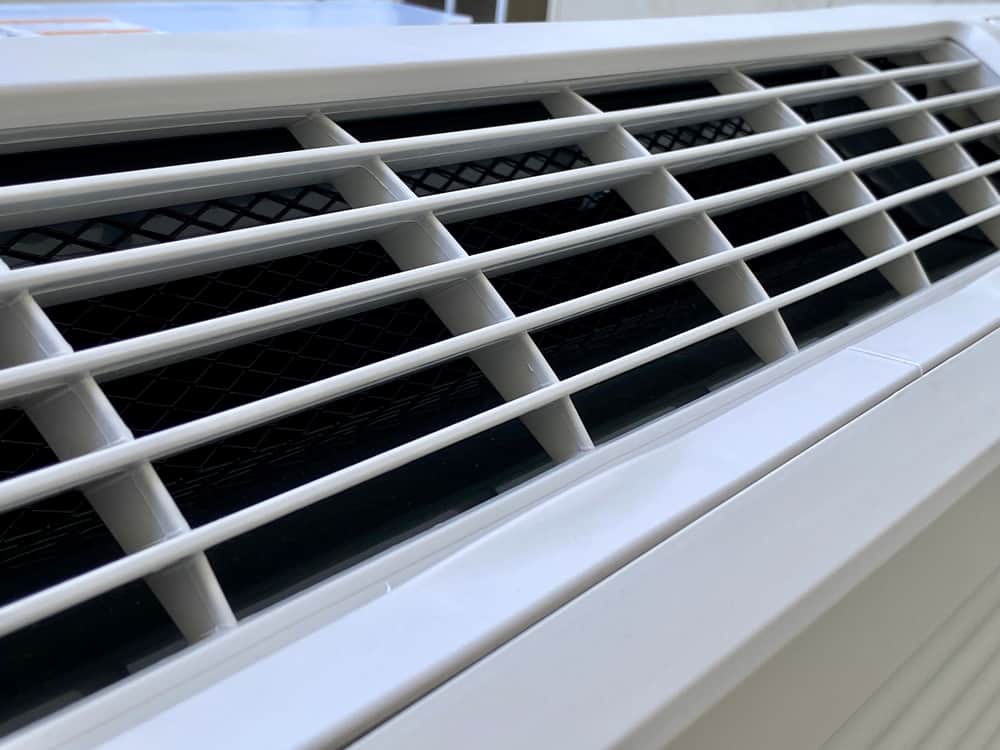
PTAC Repair Process Kew Gardens Hill
You call, we listen to what’s happening with your unit, and we give you a realistic timeframe. No vague “sometime this week” promises.
Our technician arrives with the tools and parts needed for most Kew Gardens Hill PTAC problems. We diagnose the actual issue—not just the symptoms—and explain what needs to happen in plain English. You get an upfront price before any work starts.
We fix the problem properly, test the system to make sure everything works as it should, and clean up. You get a unit that cools efficiently and doesn’t waste energy fighting against preventable problems.
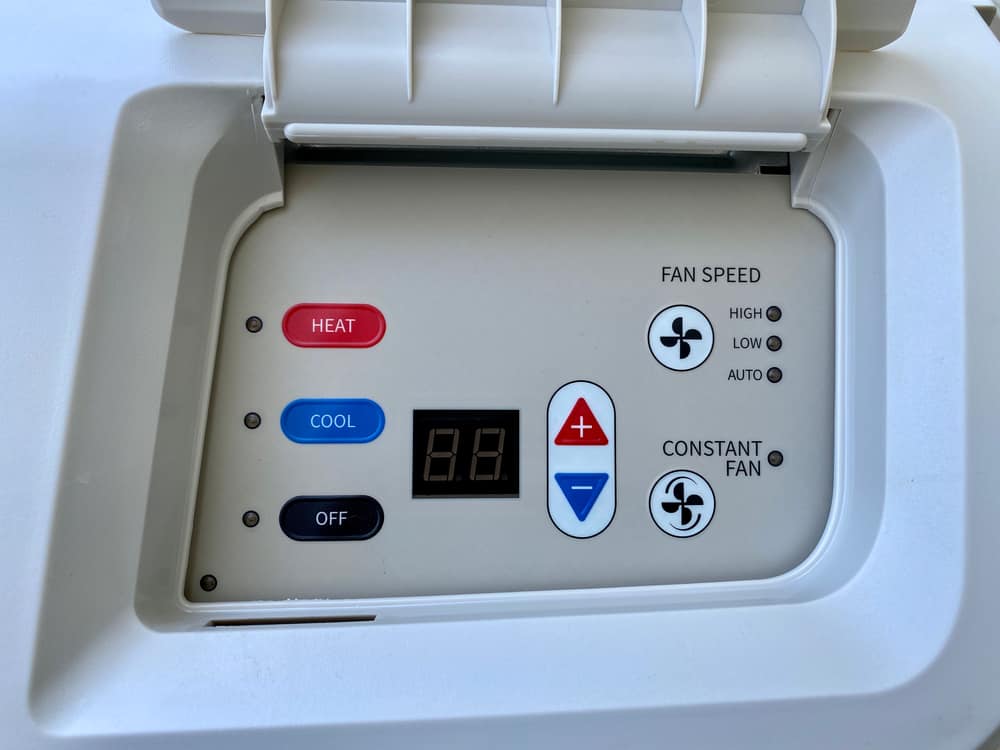
PTAC Maintenance Kew Gardens Hill NY
Your PTAC repair includes proper diagnosis using professional equipment, not guesswork. We clean components that affect efficiency, check refrigerant levels, and inspect electrical connections that cause future failures.
Kew Gardens Hill’s older buildings present specific challenges. The original wall sleeves often need attention, and the building’s electrical systems sometimes create issues that inexperienced technicians miss. We address these building-specific factors as part of every repair.
You also get honest communication about your unit’s condition. If it makes more financial sense to replace rather than repair, we’ll tell you that instead of running up a repair bill that exceeds replacement cost.
How much does PTAC repair cost in Kew Gardens Hill?
Most PTAC repairs in Kew Gardens Hill cost between $150-$400, depending on what’s actually wrong. Simple issues like actuator replacement or filter cleaning are on the lower end, while compressor problems or refrigerant leaks cost more.
Some Manhattan companies charge $400-$800 for basic actuator repairs that we handle for much less. We give you upfront pricing before starting work, so you know exactly what you’re paying. Emergency calls during heat waves or cold snaps do cost more, which is why we recommend addressing problems when you first notice them.
The real cost is what happens when you delay repairs. A clogged filter that makes your system work 40% harder will cost you more in energy bills than the repair itself.
Why is my PTAC not blowing hot air in winter?
In 95% of cases, this problem comes down to a small component called an actuator. This device controls water or steam flow through your heating coils, and when it fails, hot water can’t reach the coils that warm your air.
The actuator sits on the pipes connected to your PTAC unit and is usually a straightforward fix. Before calling for service, check that your thermostat is set to heat mode and your circuit breaker hasn’t tripped. If those basics are fine, the actuator is likely your culprit.
Some companies charge hundreds for this repair, but it’s actually one of the more common and fixable PTAC problems in Kew Gardens Hill’s older buildings. The key is getting someone who knows PTAC systems specifically, not just general HVAC work.
How often should PTAC units be serviced in NYC?
PTAC units in NYC should be professionally serviced twice a year—once before summer cooling season and once before winter heating season. NYC’s environment is particularly tough on these units because of temperature extremes, humidity changes, and air quality issues.
Regular maintenance prevents most emergency repairs and extends your unit’s life from 7-10 years to 12-15 years. That difference represents thousands in avoided replacement costs for Kew Gardens Hill property owners.
During service, we clean coils, check refrigerant levels, inspect electrical connections, and address the small problems that become expensive failures if ignored. The monthly cost of a maintenance program is usually less than what you save on energy bills.
Can I repair my PTAC unit myself?
You can handle basic maintenance like changing filters and clearing debris from around the unit, but actual repairs require professional tools and expertise. PTAC units involve refrigerant, electrical components, and gas connections that need proper handling.
DIY repairs often create bigger problems. We regularly fix units that were damaged by well-meaning property owners who tried to save money on service calls. What starts as a simple repair becomes a major expense when inexperienced hands get involved.
NYC also has specific licensing requirements for HVAC work. Unpermitted repairs can create problems with building inspectors and insurance companies. Professional service protects you from liability and ensures work meets local codes and safety standards.
What are signs my PTAC unit needs immediate repair?
Call for immediate service if your PTAC is making unusual grinding or squealing noises, producing weak airflow even on high settings, or cycling on and off frequently throughout the day. These symptoms indicate problems that get worse quickly if ignored.
Water pooling around the unit, strange smells when the system runs, or dramatically higher energy bills also demand prompt attention. In Kew Gardens Hill’s older buildings, these issues often cascade through the entire system if not addressed quickly.
The most expensive repairs happen when people ignore warning signs and hope problems go away. What starts as a $200 fix can spiral into thousands in replacement costs, emergency service fees, and property damage when systems finally fail completely.
Do you service all PTAC brands in Kew Gardens Hill?
Yes, we service all major PTAC brands including McQuay, Islandaire, Ice-Air, GE, Friedrich, and Suburban units commonly found in Kew Gardens Hill buildings. Our technicians have experience with both current models and older units from discontinued product lines.
We stock parts for the most common brands and can source specialized components for older units when needed. Some manufacturers discontinued their PTAC lines, making parts harder to find, but our supplier relationships help us locate what’s needed.
Each brand has specific quirks and common failure points. Our 50+ years in NYC means we know which problems are typical for different manufacturers and how to address them cost-effectively. Brand-specific expertise matters when you’re dealing with expensive through-wall units.
Other Services we provide in Kew Gardens Hill