
PTAC Repair in Hunters Point, NY
Your PTAC Fixed Right Today
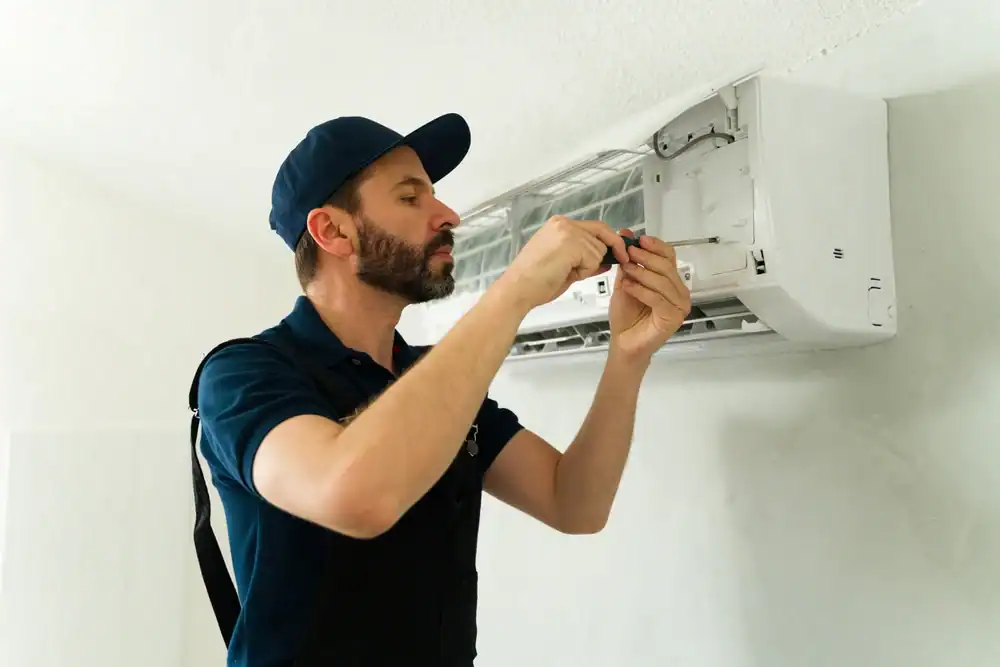
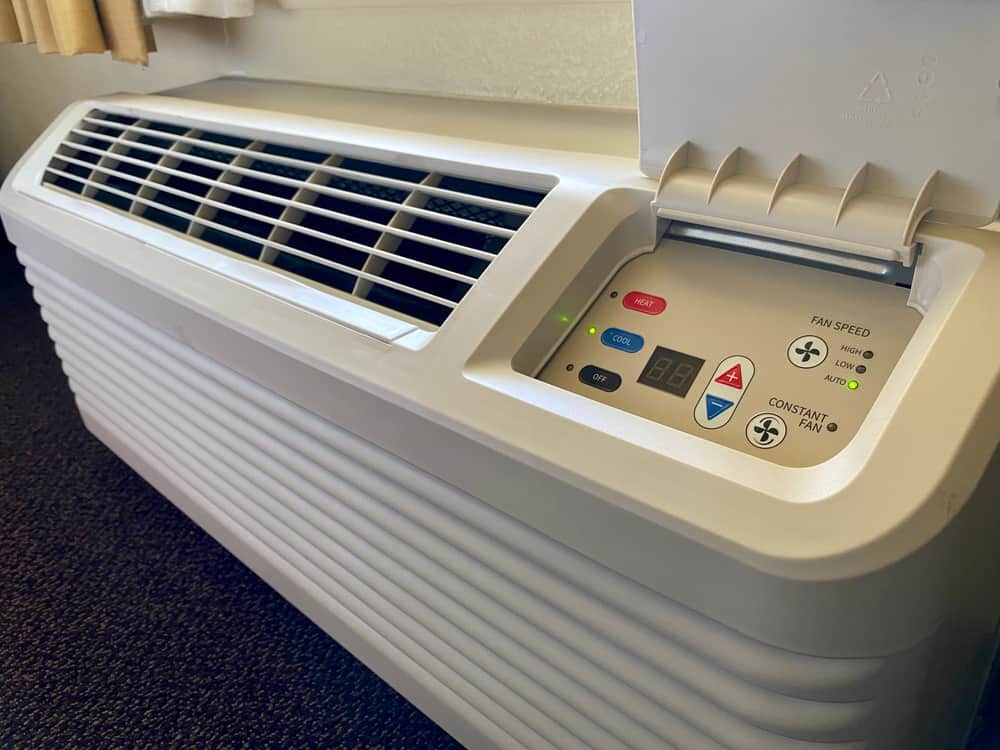
Professional PTAC Service Hunters Point
Your PTAC stops working, and suddenly your expensive Hunters Point apartment feels like a sauna or an icebox. You need it fixed fast, but you also need it fixed right.
Most PTAC problems aren’t as complicated as they seem. A clogged filter making your system work 40% harder. A simple actuator preventing hot water from reaching your heating coils. Refrigerant levels running low for months while your energy bills climb.
We diagnose the real problem first, then fix it properly. No upselling, no surprise charges, no return visits for the same issue. Just your comfort restored and your system running efficiently again.
Hunters Point PTAC Repair Experts
Lion-Air Enterprises has been the PTAC specialist for NYC area residents since before most of our competitors existed. We’ve seen every problem these through-wall units can develop, and we know exactly how to fix them.
Hunters Point’s high-rise living means PTAC units work harder than anywhere else. The constant temperature demands, the urban dust, the thermal stress from those metal wall sleeves—we understand these challenges because we’ve been solving them for decades.
We’re not the cheapest option in Queens, and that’s intentional. You’re investing in technicians who show up prepared, diagnose accurately, and fix problems permanently the first time.
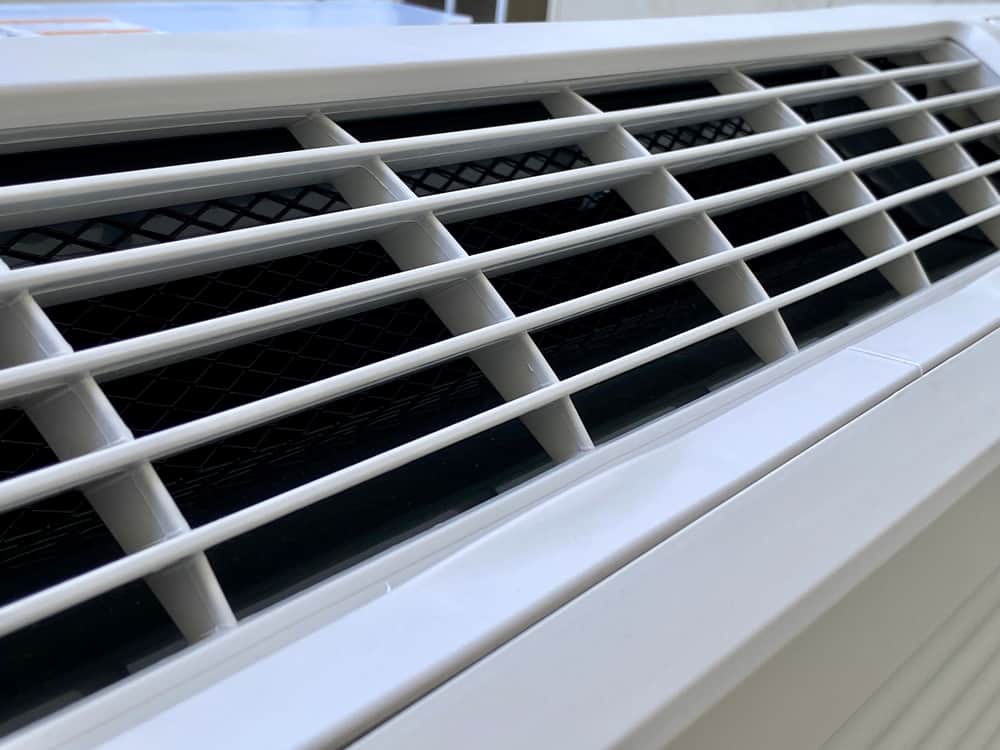
PTAC Troubleshooting Process Queens
We start with an honest conversation about what’s happening with your unit. Strange noises, poor heating or cooling, higher energy bills—these symptoms tell us where to look first.
Our technician arrives with the tools and parts needed for most common repairs. We diagnose the actual problem, not just the obvious symptom. Then we explain what we found, what it costs to fix, and how long the repair will take.
Most repairs happen on-site within a few hours. If your unit needs shop work, we’ll arrange a temporary solution so you’re not left uncomfortable. Every repair comes with a clear explanation of what we did and a one-year guarantee on the work.
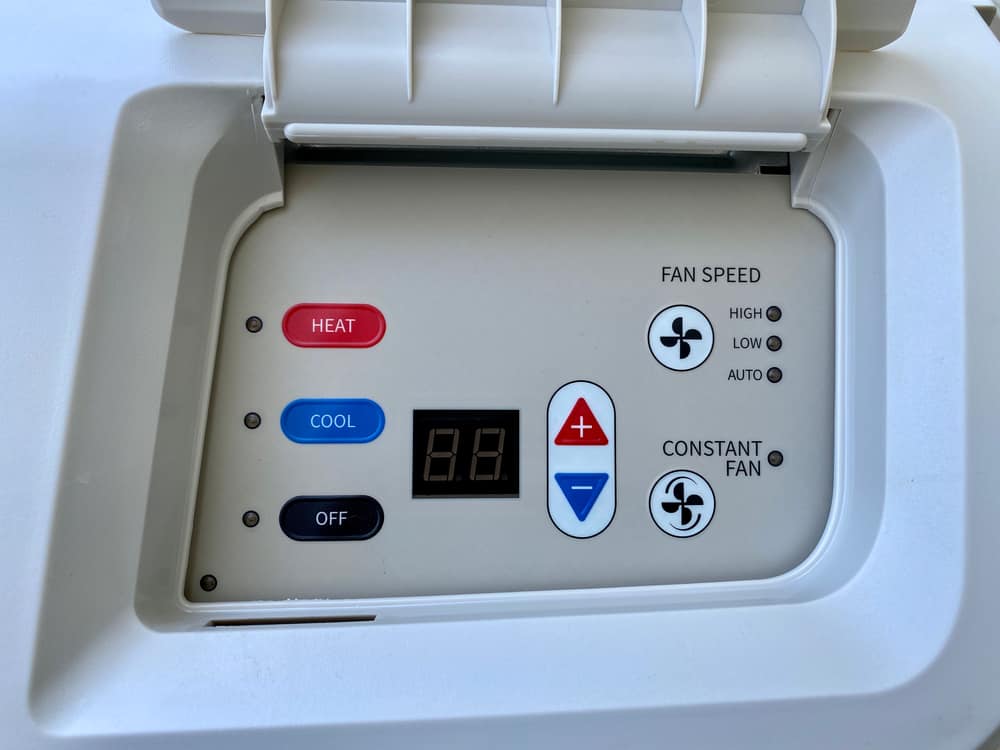
PTAC Maintenance Hunters Point NY
PTAC units in Hunters Point face unique challenges. The waterfront location means more humidity and salt air. The dense urban environment means more dust and debris. The high-rise construction means these units work harder than ground-level systems.
Regular maintenance isn’t just recommended here—it’s essential. Clean filters every month during heavy use seasons. Professional deep cleaning twice a year to remove the buildup that reduces efficiency. Electrical connections checked annually to prevent the loose connections that waste energy.
We offer maintenance contracts specifically designed for Hunters Point’s demanding environment. Priority service when you need repairs, discounted diagnostic fees, and the peace of mind that comes from working with technicians who understand your building’s specific challenges.
Why does my PTAC stop heating in winter?
In 95% of cases, it’s a failed actuator—a small component that controls water or steam flow to your heating coils. This device sits on the pipes connected to your PTAC unit and costs much less to replace than many companies charge.
The actuator prevents hot water or steam from reaching the coils when it fails, leaving you with cold air instead of heat. Some companies charge $400-800 for this repair, but it’s actually a straightforward fix when handled by experienced technicians.
Before calling for service, check your thermostat settings and make sure your circuit breaker hasn’t tripped. If those basics check out, the actuator is likely the culprit and needs professional replacement.
How often should I clean my PTAC filter?
In Hunters Point’s urban environment, clean your filter every 3-4 weeks during heavy use seasons. The waterfront location and dense construction create more airborne particles than typical residential areas.
A dirty filter forces your system to work 40% harder, driving up energy costs and wearing out components faster. In NYC, where electricity costs 38% more than the national average, this inefficiency adds up quickly on your monthly bills.
Check your filter monthly by removing the front panel and sliding out the filter. If it looks gray or clogged, wash it with warm water and mild soap, let it dry completely, then reinstall. Keep a spare filter so you’re never without one during cleaning.
What causes PTAC units to leak water?
Water leaks usually stem from clogged condensate drains or improper unit leveling, both common in older Hunters Point buildings where settling has occurred over time. The drainage system needs clear pathways to remove moisture effectively.
Debris accumulation blocks drain lines, causing water to back up inside your unit. This creates immediate damage and sets up conditions for mold growth and electrical problems that make your entire system unsafe.
Building settling can also cause your unit to tilt incorrectly, preventing proper drainage even when lines are clear. Professional service includes checking drain lines, clearing blockages, and ensuring proper unit positioning to prevent recurring leaks.
How much should PTAC repair cost in Queens?
Minor repairs like thermostat issues or drain cleaning typically run $200-300. Actuator replacement should cost significantly less than the $400-800 some companies charge. Major component replacement ranges $500-800 depending on the part.
Emergency service during heat waves or cold snaps costs 2-3 times normal rates, making regular maintenance essential for budget planning. Companies offering “free estimates” often build those costs into inflated repair prices.
Always get clear pricing before work begins, and be wary of companies pushing expensive replacements for simple problems. Honest contractors explain what needs fixing and provide realistic timelines for getting your system working properly again.
When should I replace rather than repair my PTAC?
If your unit has needed 2-3 repairs in the past year, replacement usually makes more financial sense than continued band-aid fixes. Frequent breakdowns indicate multiple systems failing, making ongoing repairs increasingly expensive.
Units over 12-15 years old with major component failures often cost more to repair than replace, especially when parts become scarce. Newer units also offer significantly better energy efficiency, reducing your monthly operating costs.
Consider replacement when repair costs exceed 50% of a new unit’s price, or when your current unit can’t maintain comfortable temperatures despite proper maintenance. We’ll help you evaluate repair versus replacement based on your specific situation and budget.
Do you offer emergency PTAC repair service?
Yes, we provide 24/7 emergency service throughout Hunters Point and Queens, though we always recommend addressing problems before they become emergencies. Emergency calls cost more and often happen at the worst possible times.
Our technicians are on-call around the clock and carry the most common repair parts in their trucks. We understand that PTAC failures during extreme weather aren’t just inconvenient—they can be dangerous, especially for elderly residents or young families.
The best way to avoid emergency situations is through regular maintenance and addressing small problems quickly. Strange noises, reduced heating or cooling, and higher energy bills are all early warning signs that professional attention can resolve before complete system failure.
Other Services we provide in Hunters Point