
PTAC Repair in Garment District, NY
Your PTAC Fixed Right, Today
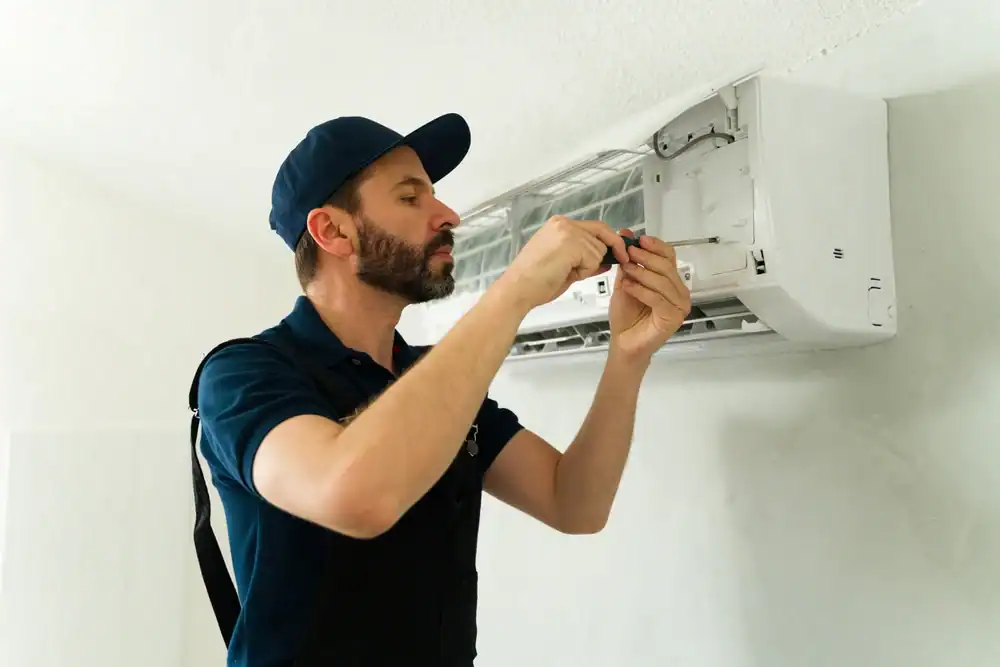
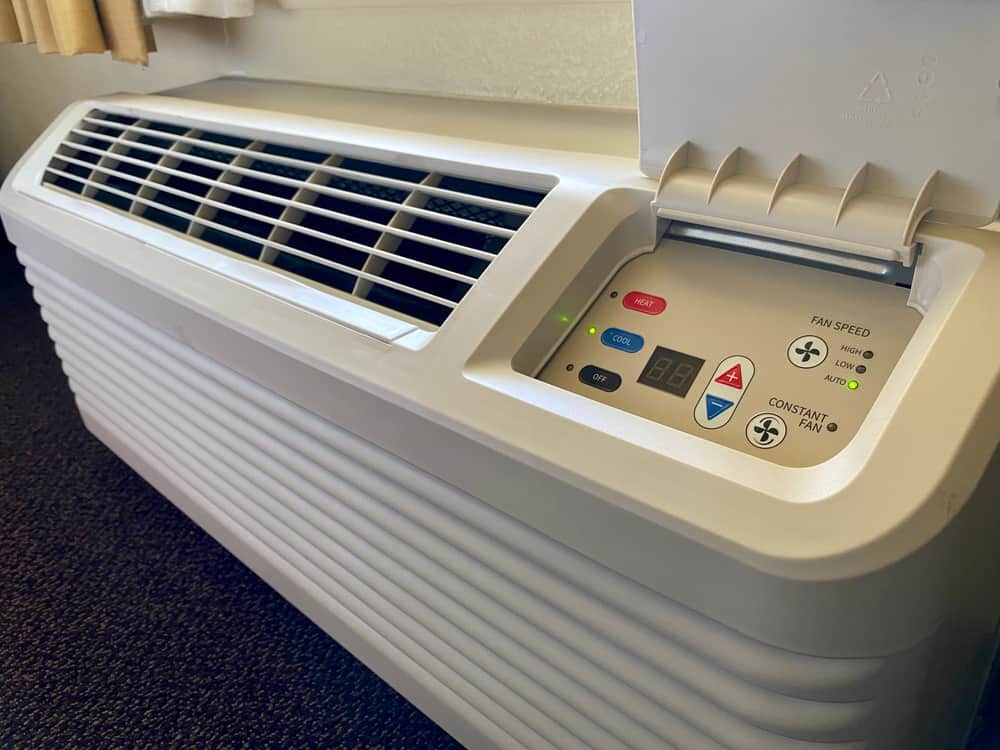
Manhattan PTAC Service Experts
Your employees stay productive when the temperature isn’t fighting them. Your customers linger longer in comfortable showrooms instead of rushing out. Your energy bills drop because properly functioning units don’t waste power struggling against clogged filters and worn components.
Most Garment District businesses don’t realize their PTAC problems are costing them twice – once in wasted energy, again in lost productivity. A unit that’s working 40% harder because of dirty filters isn’t just burning extra electricity. It’s creating hot spots that make your space uncomfortable, forcing people to adjust thermostats constantly, creating more strain on the system.
When your PTAC repair is handled correctly the first time, your space maintains consistent temperatures without the constant cycling that drives up costs and wears out equipment faster.
Garment District PTAC Specialists
Lion-Air Enterprises has been fixing PTAC units in Manhattan for over 50 years. We understand what NYC’s urban debris, building vibrations, and extreme weather changes do to through-wall units that companies in other cities never see.
The Garment District’s mix of converted warehouses, high-rise offices, and fashion showrooms each present unique PTAC challenges. Older buildings with thick walls require different approaches than modern construction. We’ve worked in both, and we know which solutions actually work long-term versus quick fixes that fail during the next heat wave.
Our technicians carry Manhattan-specific parts and tools because we know what breaks most often in this environment.
Professional PTAC Repair Process
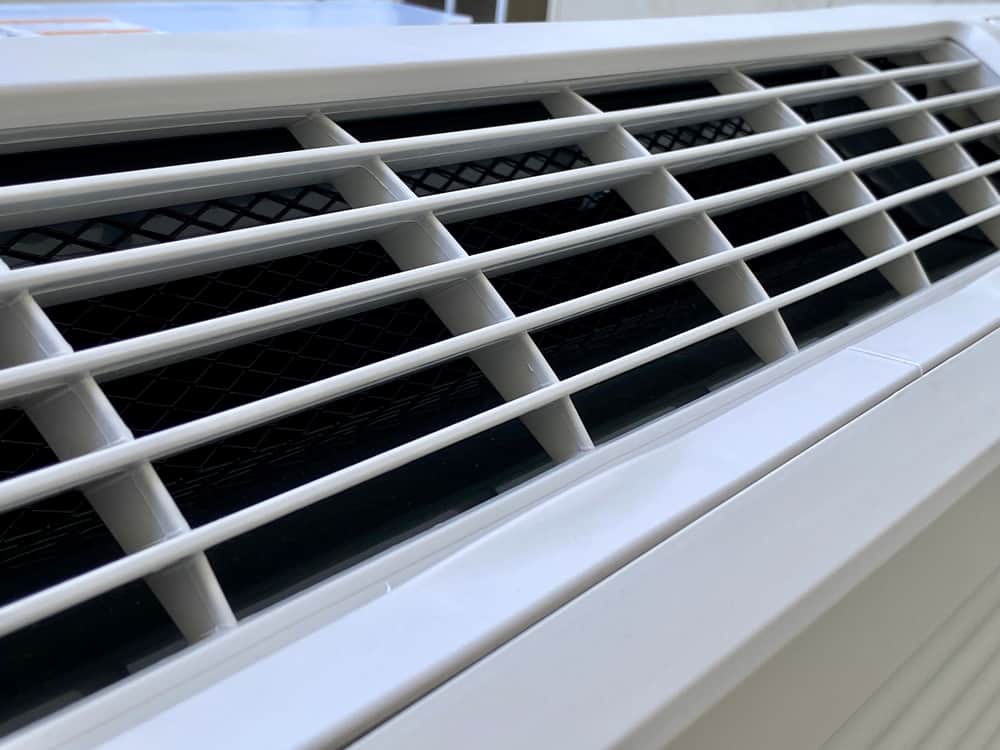
We start with a thorough assessment of your unit and the specific challenges in your building. Manhattan PTAC units face unique stresses, so we check for issues other companies miss – things like thermal bridging problems, drainage complications from building settling, and electrical issues common in older Garment District buildings.
Next, we explain exactly what’s wrong and what it’ll cost to fix it properly. No inflated Manhattan pricing, no emergency surcharges just because you’re in Midtown. We give you options: what needs to be done now, what can wait, and what preventive steps will save you money long-term.
The actual repair work is done with parts we stock specifically for NYC conditions. We don’t leave until your system is running properly and you understand how to avoid the same problem in the future.
Complete PTAC Repair Services
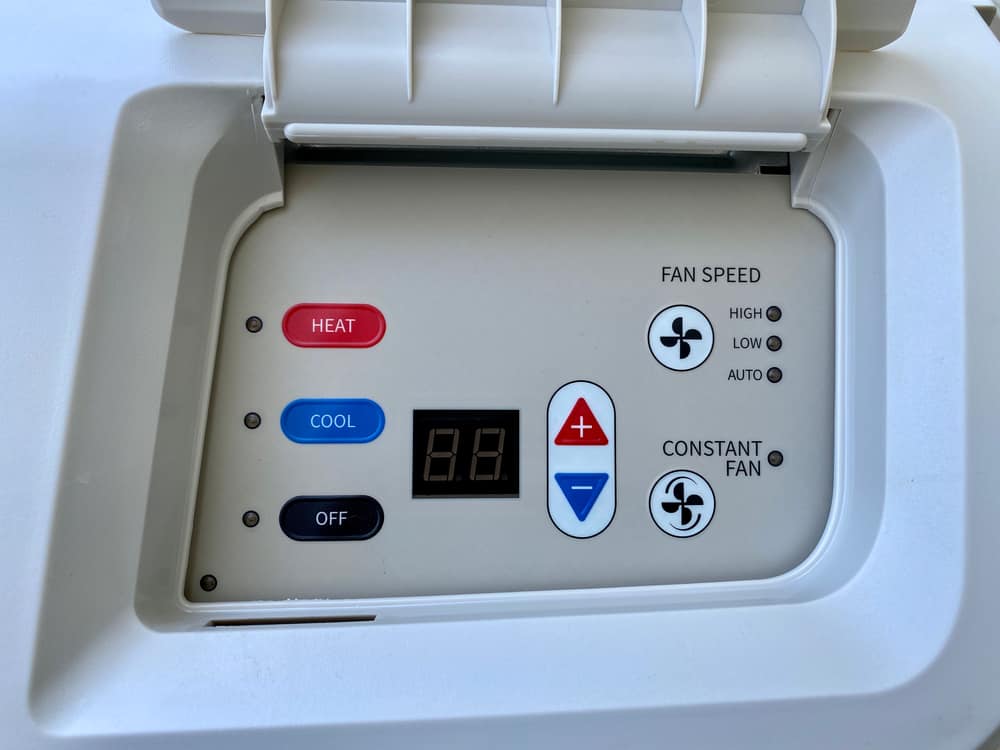
Our PTAC repair service includes comprehensive system diagnostics, component replacement, energy efficiency optimization, and preventive maintenance recommendations. We handle everything from simple filter replacements to complex compressor repairs and electrical troubleshooting.
For Garment District businesses, we understand the importance of minimal disruption. Fashion showrooms can’t afford to shut down during market week. Office buildings need consistent climate control for productivity. We schedule repairs around your business needs and work efficiently to minimize downtime.
We also provide energy efficiency assessments because Manhattan’s electricity costs make every wasted BTU expensive. Our technicians identify and fix the subtle efficiency problems that can add hundreds to your monthly energy bills – issues like refrigerant leaks, airflow restrictions, and thermostat calibration problems that other companies often overlook.
How much does PTAC repair cost in the Garment District?
PTAC repair costs in Manhattan vary based on the specific problem, but we don’t inflate prices just because you’re in Midtown. Simple issues like thermostat problems or filter replacements typically run $150-300, while more complex repairs like compressor replacement can range from $400-800.
The key difference is getting honest diagnostics upfront. Many Manhattan companies quote high prices hoping you’ll approve expensive repairs without question. We explain exactly what’s wrong and give you options, including whether repair makes sense versus replacement based on your unit’s age and condition.
Emergency calls during peak seasons do cost more, but regular maintenance prevents most emergency situations and saves significantly over time.
Why do PTAC units fail more often in Manhattan?
Manhattan PTAC units face unique challenges that systems in other areas don’t encounter. Urban debris clogs filters faster, building vibrations stress components, and the constant temperature extremes between heated buildings and cold outdoor air create thermal stress on the units.
The Garment District’s mix of older converted warehouses and modern high-rises also creates specific problems. Older buildings often have settling issues that affect drainage, while newer buildings sometimes have installation problems that weren’t apparent until the units experienced a few seasons of NYC weather.
Additionally, Manhattan’s high electricity costs mean units often run longer and work harder to maintain comfortable temperatures, which accelerates normal wear and tear on components like compressors and fan motors.
How quickly can you repair a PTAC unit in an emergency?
We maintain same-day service capability for genuine emergencies throughout Manhattan, including the Garment District. Our service vehicles are stocked with the most commonly needed parts for NYC PTAC units, which allows us to complete most repairs during the initial visit.
Response time depends on the severity of the situation and current demand, but we prioritize businesses that are completely without climate control. During extreme weather events, we triage calls to handle the most critical situations first.
The best approach is preventive maintenance that catches problems before they become emergencies. Regular service visits identify worn components before they fail completely, allowing you to schedule repairs at convenient times rather than during crisis situations when options are limited.
Can you service all brands of PTAC units?
Yes, our technicians are trained on all major PTAC brands commonly found in Manhattan commercial buildings, including McQuay, Friedrich, GE, Amana, and specialty hotel-grade units. We stock parts for the most common models and can source components for older or less common units.
Many Garment District buildings have mixed installations – different brands installed over the years as units were replaced. We’re familiar with the compatibility issues this creates and can recommend standardization strategies that simplify future maintenance while improving efficiency.
For older units where parts are becoming scarce, we can also evaluate retrofit options that allow you to upgrade to more efficient modern units while using existing wall sleeves and electrical connections.
Do you provide preventive maintenance for PTAC systems?
Preventive maintenance is actually the most cost-effective service we provide. Regular maintenance extends PTAC unit life from 7-10 years to 12-15 years and reduces energy consumption by up to 26% compared to neglected units.
Our maintenance program includes filter replacement, coil cleaning, refrigerant level checks, electrical connection inspection, and calibration of controls. For Manhattan units, we also check for issues specific to urban environments like drainage problems and vibration damage.
We schedule maintenance during off-peak times to minimize business disruption and provide detailed reports showing energy efficiency improvements and potential problems identified before they become expensive repairs. Most businesses find the maintenance program pays for itself through energy savings alone.
What's the difference between repair and replacement for older PTAC units?
The decision depends on the unit’s age, repair history, and energy efficiency compared to modern units. Generally, if repair costs exceed 50% of replacement cost and the unit is over 10 years old, replacement makes more financial sense.
Manhattan’s high electricity costs make energy efficiency particularly important. A 15-year-old PTAC unit that’s working perfectly still uses significantly more energy than a modern unit, which can justify replacement based on operating cost savings alone.
We provide honest assessments that factor in your specific situation – budget constraints, business disruption concerns, and long-term operating costs. Sometimes a repair buys you time to plan a replacement during a more convenient season, while other situations call for immediate replacement to avoid ongoing problems and high energy costs.
Other Services we provide in Garment District