Summary:
Your AC system picked the worst possible time to fail. It’s ninety-eight degrees outside, your apartment feels like an oven, and every HVAC company you call is booked solid for the next three days. This scenario plays out across New York County every summer because most AC failures don’t happen suddenly—they build over weeks or months while giving warning signs that are easy to miss. That slight decrease in cooling you noticed last month? That was your system telling you something was wrong. The higher energy bills? Another warning. By the time your AC quits completely, you’re dealing with a more expensive repair and days of discomfort while waiting for service. Here’s what you actually need to know about AC repair, from spotting problems early to choosing technicians who won’t waste your time.
How to Fix Air Conditioner Issues Before They Cost Thousands
Most AC problems start small and escalate slowly. Your system runs a little longer to reach the temperature you set. The air coming from vents feels less cold than it used to. Your energy bills creep up month after month. None of these changes are dramatic enough to trigger immediate concern, which is exactly why they’re dangerous.
Every small symptom signals that a component in your system isn’t working correctly. When you ignore it, that struggling component forces other parts to work harder to compensate. A clogged filter makes your fan motor work overtime. A small refrigerant leak makes your compressor run longer cycles. A failing capacitor puts extra electrical stress on your motors. Eventually, the domino effect catches up and you’re facing a complete system failure instead of a simple repair.
The financial difference between catching problems early and waiting for complete failure can be substantial. Replacing a worn capacitor costs a few hundred dollars. Replacing the compressor that burned out because that capacitor failed costs several thousand. The same pattern plays out with nearly every AC component—early intervention costs less than emergency repairs.
AC Unit Repair: Understanding What Actually Breaks in Your System
Your air conditioning system relies on several critical components working together. The compressor pumps refrigerant through the system, creating the pressure changes that enable heat transfer. The evaporator coil sits inside your space and absorbs heat from the air. The condenser coil sits outside and releases that heat. Fan motors move air across both coils to facilitate heat exchange. When any of these components fail, your cooling suffers or stops completely.
Compressors are the heart of your AC system and also the most expensive component to replace. They typically last fifteen to twenty years under normal conditions, but poor maintenance or other system problems can shorten that lifespan significantly. When compressors fail, they either develop electrical shorts or mechanically lock up. Both failures mean replacement, not repair. In New York County, compressor replacement often costs enough that replacing the entire system makes more financial sense, especially if your unit is over ten years old.
Capacitors provide the electrical boost needed to start motors and keep them running at proper speed. They’re relatively inexpensive components, but they fail frequently. A bad capacitor might prevent your AC from starting at all, or cause it to start then shut off repeatedly. You might hear clicking sounds as the system tries to start but can’t. Capacitor replacement is one of the most common AC repairs and usually costs between one hundred fifty and three hundred dollars including labor.
Refrigerant leaks develop when coils corrode, connections loosen, or physical damage creates small cracks in refrigerant lines. Your system needs a specific amount of refrigerant to work efficiently. When levels drop due to leaks, your AC can’t absorb and release heat properly. It runs longer without achieving the temperature you set, driving up energy costs while delivering poor cooling. Finding leaks requires specialized detection equipment, and sealing them properly requires certification to handle refrigerant legally.
Fan motors move air across coils, and they’re particularly vulnerable to dirt and debris buildup. When coils get clogged, motors work harder to push air through the blockage. That extra strain shortens motor lifespan considerably. Clean systems might see fan motors last twelve to fifteen years. Dirty systems can burn through motors in seven or eight years. Regular cleaning protects your investment by reducing wear on these components.
Electrical issues show up in various forms. Faulty wiring, corroded connections, tripped breakers, blown fuses, or failing contactors can all prevent your system from running. Some electrical problems are simple fixes that take minutes. Others point to deeper issues with your AC system or your building’s electrical supply. All electrical problems require professional diagnosis because attempting DIY repairs creates serious safety risks including fire and electrical shock.
Thermostats control when your system runs and at what temperature. When thermostats malfunction, your AC might not turn on when it should, might not turn off when the space reaches the set temperature, or might cycle on and off erratically. Sometimes the problem is the thermostat itself. Other times, wiring issues between the thermostat and your AC unit cause the symptoms. Proper diagnosis determines whether you need a new thermostat or if the problem lies elsewhere.
AC Repair Cost: What You Should Expect to Pay in New York County, NY
AC repair pricing in New York County runs higher than most of the country for specific reasons. Labor costs here are premium because you’re paying for licensed, insured technicians in one of the most expensive markets in the nation. Parts sometimes require special ordering for older systems or specific brands. Building access in New York County often involves coordinating with doormen, building managers, or co-op boards, navigating freight elevators, and dealing with parking challenges that don’t exist in suburban markets. All these factors add to costs, but you should still know what fair pricing looks like.
Basic repairs including capacitor replacement, thermostat repair, filter changes, or minor electrical fixes typically run between one hundred fifty and four hundred dollars. These are straightforward jobs that experienced technicians complete in one to two hours. The work requires expertise to diagnose correctly and perform safely, but the parts themselves are relatively inexpensive and readily available.
Mid-range repairs like refrigerant recharge, fan motor replacement, or sealing minor refrigerant leaks usually cost between four hundred and twelve hundred dollars. The price varies based on how much refrigerant your system needs, which motor requires replacement, and how accessible the leak is. These repairs take more time, require more expensive parts, and often involve more complex diagnosis to ensure you’re addressing the root cause rather than just symptoms.
Major repairs including compressor replacement, evaporator coil replacement, condenser coil replacement, or extensive electrical work can run from twelve hundred to three thousand dollars or more. At this price point, you need to seriously evaluate whether repair makes financial sense compared to replacement. The decision depends on your system’s age, overall condition, efficiency rating, and how long you plan to stay in your current space.
New York County pricing, particularly in Manhattan, tends to run ten to thirty percent higher than outer boroughs. This isn’t arbitrary markup. It reflects the genuine additional costs of working in dense urban environments where parking might cost fifty dollars, building access requires coordination and wait times, and technicians might need special permits or insurance levels to work in certain buildings.
Diagnostic fees typically range from seventy to one hundred ninety dollars for technicians to assess your system and identify problems. Many companies waive this fee if you proceed with recommended repairs. The diagnostic fee covers the technician’s expertise, travel time, and use of specialized diagnostic equipment. Companies that advertise free diagnostics often build that cost into higher repair pricing instead, so you’re paying for it either way.
Labor rates for licensed HVAC technicians in New York County typically fall between eighty-five and two hundred dollars per hour. Experience level, certifications, and insurance coverage all factor into where a company falls in that range. When comparing quotes, make sure you’re comparing licensed professionals to licensed professionals. Unlicensed handymen might charge less, but they can’t legally work with refrigerant, might not carry proper insurance, and can’t provide the same level of expertise or warranty protection.
Emergency service and after-hours calls typically cost twenty-five to fifty percent more than regular rates. Some companies charge flat emergency fees on top of standard pricing. Others simply have higher hourly rates for nights, weekends, and holidays. Either way, expect to pay a premium for immediate availability when you need weekend AC repair or after hours furnace repair during off-peak hours.
Emergency AC Repair: When You Actually Need It and What to Expect
True emergency AC repair means technicians available twenty-four hours a day, seven days a week, including weekends and holidays. Companies offering legitimate emergency service keep technicians on call, maintain inventory of common parts, and can respond within hours rather than days. This level of availability costs more to maintain, which is why emergency rates run higher than standard service calls.
Most AC emergencies happen during heat waves when systems are working hardest and every repair company is slammed with calls. When outside temperatures hit ninety-five or a hundred degrees and your cooling fails completely, waiting three days for a regular appointment isn’t realistic, especially if you have children, elderly family members, or anyone with health conditions that make extreme heat dangerous. That’s when emergency service becomes necessary rather than just convenient.
The key to using emergency services wisely is understanding what actually qualifies as an emergency versus what can wait for regular business hours. Complete loss of cooling during extreme heat qualifies. Safety hazards like electrical issues causing sparking or burning smells qualify. Situations where vulnerable people are at risk from temperature extremes qualify. An AC that’s running but not cooling as well as it used to? That’s a problem that needs attention, but it doesn’t require emergency rates.
24 Hour Emergency Heating Service: Knowing When to Call for Immediate Help
Emergency service makes sense when waiting creates genuine safety risks or causes significant property damage. Complete heating failure during winter when temperatures drop below freezing qualifies because frozen pipes can burst and cause thousands of dollars in water damage. Complete AC failure during summer heat waves qualifies when you have people at risk from heat exposure. Electrical problems that create fire hazards qualify regardless of season or temperature.
Partial system failures usually don’t require emergency rates. If your AC is still providing some cooling, even if it’s not working at full capacity, you can typically wait for regular service hours without significant risk. Same principle applies to heating systems that are running but not heating as efficiently as they should. Schedule regular service, avoid the emergency premium, and get the problem fixed properly during normal business hours.
Refrigerant leaks fall into a gray area. Large leaks that cause rapid loss of cooling should be addressed quickly to prevent compressor damage and because some refrigerants can be harmful in enclosed spaces. Small leaks that develop gradually are less urgent and can usually wait for regular service. An experienced technician can help you assess whether your specific situation requires immediate attention or can be scheduled normally.
Strange noises, unusual odors, or systems that cycle on and off frequently are all symptoms that need professional diagnosis. But unless they’re accompanied by complete system failure or safety hazards, they don’t require emergency service rates. Document what you’re experiencing, schedule service during regular hours, and get a proper diagnosis that addresses root causes rather than rushing to patch symptoms.
The question to ask yourself is whether waiting twelve to twenty-four hours for service creates genuine risk to health, safety, or property. If yes, emergency service is justified. If no, schedule regular service and save the emergency premium for situations that actually require it. We offer 24hr AC repair and emergency heating and cooling services when you genuinely need them, but using them wisely keeps your costs reasonable.
How to Choose an HVAC Contractor Who Won't Waste Your Time or Money
Choosing local AC repair companies in New York County means filtering through dozens of options that all make similar promises. Everyone claims experienced technicians, fast service, and competitive pricing. The real differences show up in details that matter when your AC actually fails and you need someone who can fix it correctly the first time.
Start with licensing and insurance verification. Any company working on AC systems in New York must hold proper licensing to handle refrigerant legally. This isn’t optional. Federal law requires certification to purchase and work with refrigerants, and New York has additional state requirements. Ask for license numbers and verify them through appropriate regulatory agencies. Legitimate companies provide this information immediately without hesitation or excuses.
Insurance protects you when things go wrong. AC repair involves electrical systems, pressurized refrigerant, and sometimes working in difficult spaces within your building. Accidents happen. You want a company that carries comprehensive liability insurance so you’re not liable if a technician damages your property or gets injured on your premises. Ask for proof of insurance and verify it’s current before allowing any work to begin.
Experience with your specific system type matters more than general HVAC experience. If you have PTAC units, you want a company that specializes in PTAC repair, not just general residential AC work. PTAC systems have unique components, failure points, and repair procedures that general technicians might not understand fully. We bring specialized expertise as the parent company of three PTAC industry leaders, with knowledge that general HVAC companies can’t match. The same principle applies if you have commercial air conditioner repair needs, central air systems, or specialized equipment.
Response time commitments should be specific and realistic. Companies promising same-day service should be able to provide an actual arrival window when you call, not vague assurances that they’ll “try to get there today.” True same-day service requires proper scheduling systems, adequate staffing, and parts inventory to handle common repairs without delays. If a company can’t commit to a specific timeframe when you call, they probably can’t deliver consistent same-day service.
Pricing transparency separates professional companies from ones that will surprise you with hidden fees. Reputable companies provide detailed estimates before starting work, break down parts and labor costs separately, and explain exactly what you’re paying for. They don’t add surprise trip charges, disposal fees, or premium rates that weren’t disclosed upfront. Get all pricing in writing before authorizing any work.
Warranties on completed repairs demonstrate confidence in workmanship. One-year warranties are standard for quality AC repair work. Anything less suggests the company doesn’t stand behind their repairs. Some companies offer longer warranties, which sounds appealing, but read the fine print carefully. Extended warranties often have conditions and exclusions that make them less valuable than they initially appear.
References and reviews provide insight into real customer experiences. Don’t just look at overall star ratings. Read actual reviews looking for patterns in complaints. A company might have a four-star average but consistent complaints about billing disputes, callback issues, or technicians who don’t show up when promised. Those patterns tell you more about what to expect than an overall rating number.
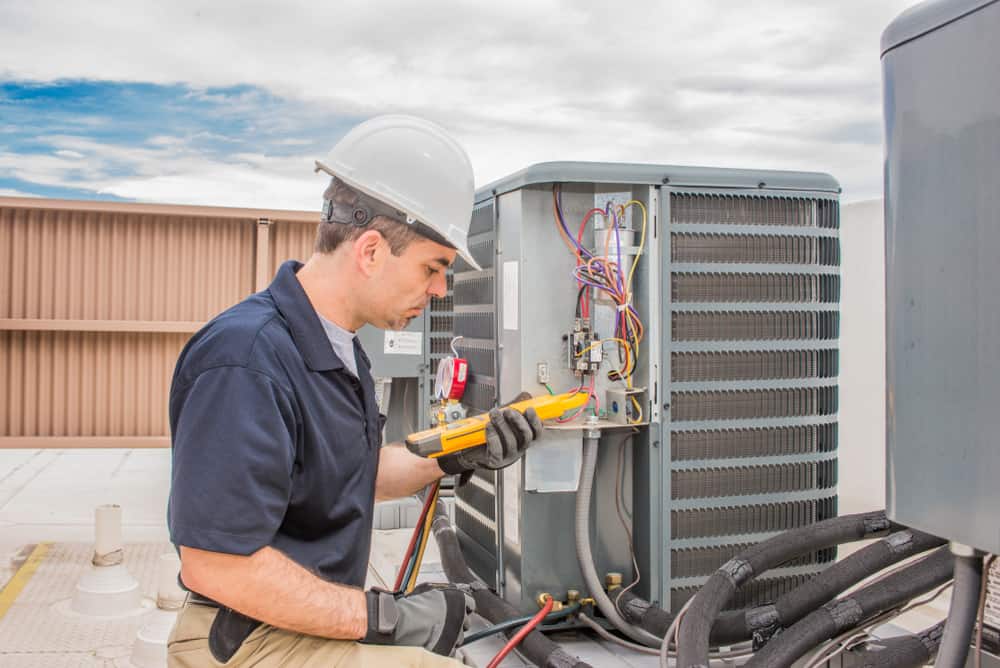
Ask about their diagnostic process. Quality companies perform comprehensive system assessments, not just quick fixes of obvious symptoms. They check refrigerant levels, test electrical connections, inspect coils, examine drainage systems, and look for underlying issues that might cause future problems. This thorough approach costs slightly more upfront but saves money long-term by preventing repeat failures and catching small problems before they cascade.
Central Air Conditioner Repair: Getting Your System Fixed Right the First Time
AC repair ultimately comes down to finding technicians who diagnose problems accurately instead of guessing, carry the right parts to complete repairs on the first visit, and price their work fairly without hidden fees or unnecessary upsells. When your system fails during a New York County summer, you don’t have time to deal with companies that can’t deliver on those basics.
The difference between repairs that last and ones that fail again in weeks usually comes down to whether the technician addressed root causes or just patched obvious symptoms. Comprehensive diagnostics cost more upfront but save money over time by preventing repeat service calls and catching developing problems before they cause expensive failures. Regular maintenance catches most issues before they become emergencies, but when you do need AC and heating repair, choosing the right company makes all the difference.
If your AC system isn’t cooling properly, makes unusual noises, cycles on and off frequently, or drives up your energy bills significantly, get it checked before complete failure forces you into emergency service. We bring over fifty years of PTAC specialization and comprehensive AC repair expertise to every job in New York County and the tri-state area, backed by a one-year guarantee on all work and the technical knowledge that comes from being the parent company of three PTAC industry leaders.